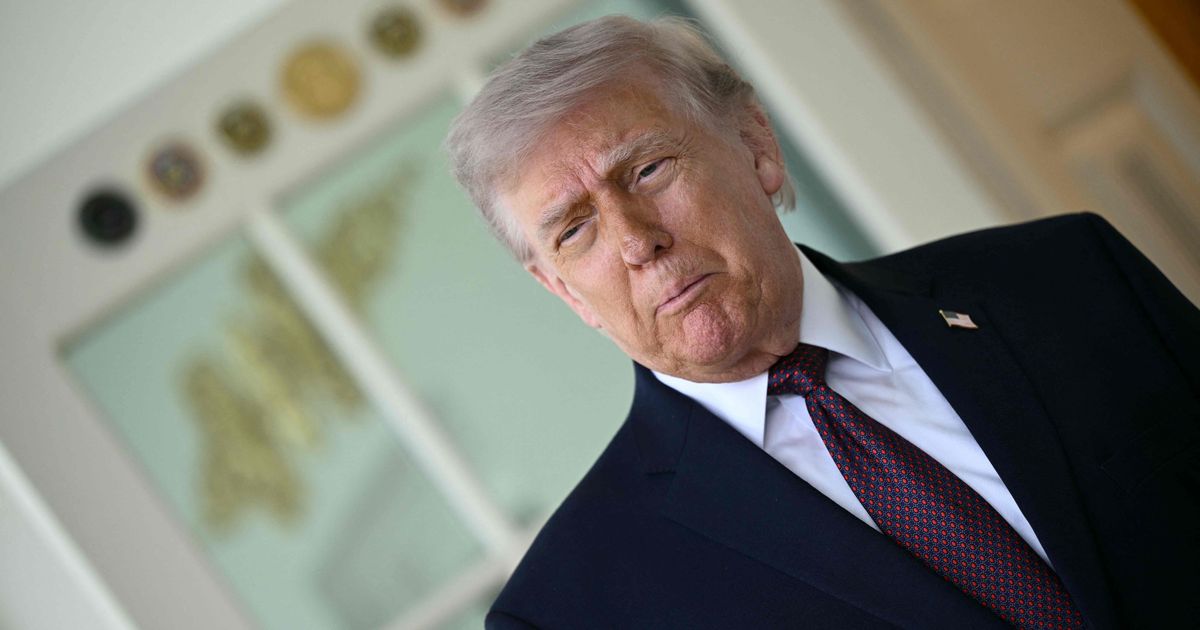
April 17, 2026 – A recent commentary published in the Tiroler Tageszeitung has drawn attention to the growing concern over narcissistic behavior among global leaders, particularly in the context of international diplomacy and public discourse. The piece, titled “Wenn Narzissten auf der Weltbühne Gott spielen” (When Narcissists Play God on the World Stage), critiques the tendency of certain political figures to conflate personal authority with moral or divine supremacy, often at the expense of cooperative governance and humanitarian principles.
The article specifically references recent interactions between former U.S. President Donald Trump and Pope Leo XIV, noting that the pontiff’s public appeals for peace and compassion have been met with resistance from political leaders who frame such messages as weaknesses rather than calls for unity. Whereas the Tiroler Tageszeitung piece frames this dynamic as emblematic of a broader psychological pattern among those in power, it does not provide clinical diagnoses or cite psychiatric evaluations of any individual.
Narcissism, as a psychological construct, refers to a personality pattern characterized by grandiosity, a demand for admiration, and a lack of empathy. In its extreme form, narcissistic personality disorder (NPD) is diagnosed by licensed mental health professionals based on specific criteria outlined in the Diagnostic and Statistical Manual of Mental Disorders (DSM-5). However, public commentary often uses the term colloquially to describe behaviors perceived as arrogant, entitled, or dismissive of others’ perspectives—particularly in leadership contexts.
The commentary raises important questions about how personality traits influence decision-making in high-stakes environments. Leaders who exhibit narcissistic tendencies may prioritize personal legacy or dominance over collaborative problem-solving, potentially undermining international cooperation on issues such as climate change, public health, and conflict resolution. When such behaviors manifest on the global stage, they can erode trust in institutions and amplify geopolitical tensions.
Experts in political psychology note that while confidence and ambition are often necessary traits for effective leadership, unchecked self-importance can lead to poor judgment and isolation from dissenting voices. Historical analyses have shown that leaders who surround themselves only with loyalists and reject critical feedback are more prone to strategic miscalculations, especially during crises.
The Tiroler Tageszeitung article does not name specific policies or legislative actions tied to the behaviors it describes. Instead, it focuses on symbolic interactions—such as public exchanges between political and religious figures—as indicators of deeper attitudinal shifts. These moments, while not always quantifiable, can signal changing norms in how power is exercised and perceived.
In recent years, international organizations have increasingly emphasized the importance of emotional intelligence and ethical leadership in global governance. Initiatives led by the United Nations, the World Health Organization, and various peacebuilding coalitions have advocated for leadership models rooted in empathy, accountability, and inclusivity—qualities often contrasted with narcissistic leadership styles.
It is important to distinguish between occasional self-promotion, which is common in public life, and persistent patterns of exploitative or grandiose behavior that impair functioning and relationships. Only qualified professionals can assess whether an individual meets the threshold for a personality disorder diagnosis. Public figures, like all individuals, deserve privacy regarding their mental health, and speculation without evidence risks stigmatizing mental illness.
Nonetheless, the public discourse sparked by commentaries like the one in the Tiroler Tageszeitung serves a valuable function: encouraging reflection on the qualities society values in its leaders. As global challenges grow more complex, the demand for leaders who can listen, adapt, and serve the common excellent—rather than seek personal aggrandizement—continues to rise.
Moving forward, citizens and institutions alike can promote healthier leadership cultures by supporting transparency, encouraging diverse viewpoints in decision-making, and holding public officials accountable not just for outcomes, but for the manner in which they lead. Media literacy and critical engagement with political rhetoric also play key roles in helping the public discern between substantive policy and performative authority.
For those interested in learning more about personality psychology and its implications for leadership, reputable sources include the American Psychological Association (APA), the National Institute of Mental Health (NIMH), and peer-reviewed journals such as Personality and Social Psychology Review. These organizations provide evidence-based resources on personality traits, mental health, and behavioral science.
As of this writing, no official investigations, legal proceedings, or public health advisories have been launched in response to the claims made in the Tiroler Tageszeitung commentary. The piece remains an opinion-based analysis intended to stimulate public reflection rather than assert factual claims about any individual’s psychological state.
We invite readers to share their thoughts on the role of personality in leadership and how societies can foster more resilient, compassionate governance. What qualities do you believe are most essential in leaders today? Join the conversation in the comments below and help spread awareness by sharing this article with others who care about the future of public life.