
Families across Lebanon are navigating a deepening humanitarian crisis as the ongoing conflict between Israel and Hezbollah enters a phase of heightened uncertainty. With no immediate ceasefire in sight, millions of residents face the daily reality of displacement, the loss of essential infrastructure, and the persistent threat of aerial bombardment. For many households in Beirut and beyond, the current hostilities represent yet another cycle of violence in a country already struggling with a protracted economic collapse, according to reports from the United Nations High Commissioner for Refugees (UNHCR).
The situation remains fluid, characterized by a lack of clarity regarding diplomatic efforts to secure a pause in fighting. As of October 2024, the Office of the United Nations High Commissioner for Human Rights has noted that the intensification of strikes has displaced hundreds of thousands of people, placing an immense strain on local communities and aid organizations attempting to provide shelter and medical care.
The Human Impact of Persistent Instability
For civilians, the primary concern is the absence of a stable security environment. In Beirut, families report that the psychological toll of the conflict is compounded by the inability to plan for the future. Humanitarian organizations have observed that the stress is particularly acute for those who have been forced to leave their homes multiple times, often with little notice.
According to the World Bank, the broader economic context in Lebanon—marked by years of financial crisis—has severely limited the government’s capacity to provide a social safety net for those affected by the conflict. This leaves many families reliant on informal support networks and international non-governmental organizations to meet basic needs such as food, clean water, and medicine.
Infrastructure and Public Safety Challenges
The escalation of hostilities has damaged critical infrastructure in southern Lebanon and the suburbs of Beirut, complicating efforts to maintain public services. The World Health Organization (WHO) has issued warnings regarding the strain on the healthcare system, noting that several hospitals have been forced to suspend services or operate under extreme duress due to supply shortages and the movement of staff and patients.
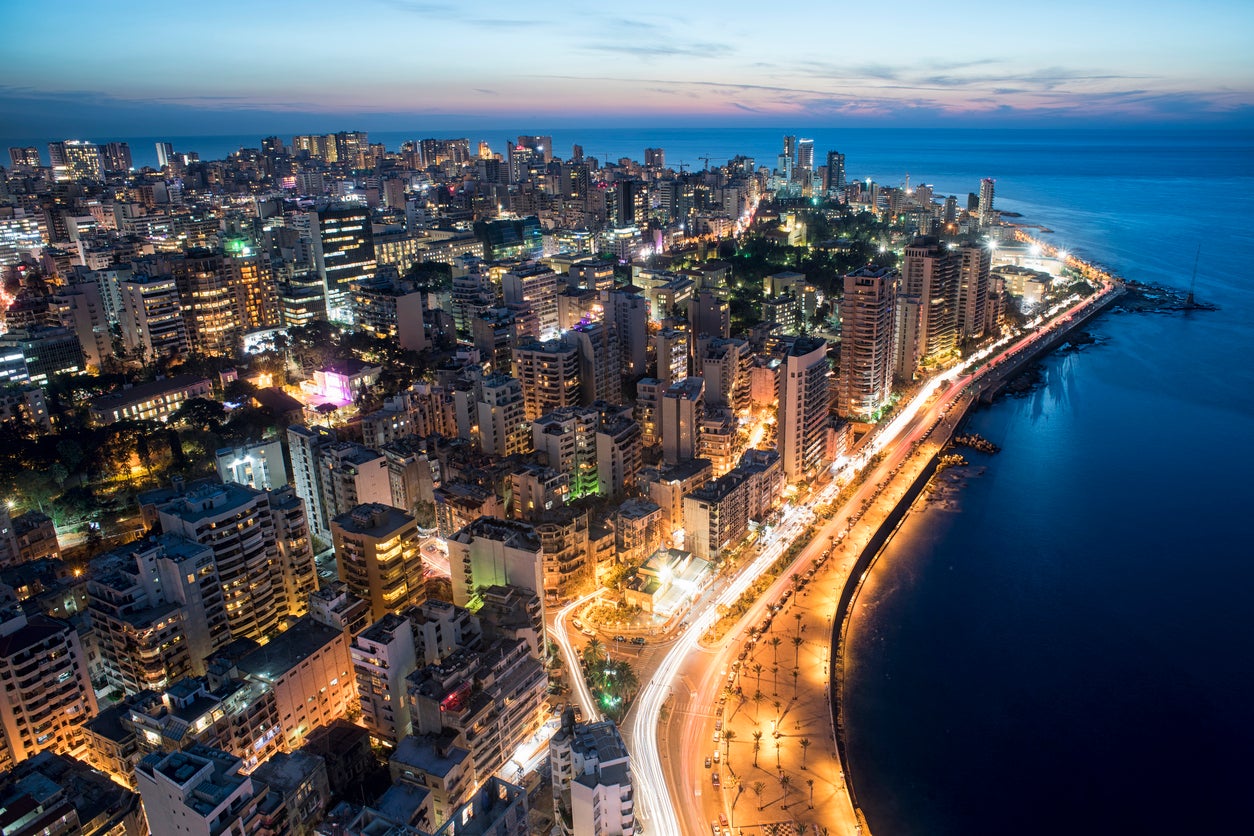
Beyond the physical destruction, the displacement of populations has created significant challenges for urban centers. Schools and public buildings are being repurposed as temporary shelters, yet these facilities often lack the capacity to accommodate the influx of people. The international community, including the United Nations Development Programme (UNDP), continues to coordinate with local actors to address the most urgent needs, though funding and access remain major obstacles.
Diplomatic Efforts and the Search for a Ceasefire
International diplomatic efforts to broker a ceasefire remain ongoing, yet there is no consensus on a timeline or a framework for a lasting resolution. Representatives from various nations, including the United States and France, have engaged in back-channel communications with stakeholders in the region to attempt to de-escalate the situation, according to statements from the U.S. Department of State.
The complexity of the regional security dynamics means that even temporary pauses in fighting have proven difficult to sustain. As of late 2024, the conflict remains a central focus of the United Nations Security Council, which has repeatedly called for the protection of civilians and the restoration of stability in accordance with existing international resolutions.
What Happens Next?
The immediate outlook for families in Lebanon depends on the success of ongoing negotiations and the ability of aid agencies to reach those in conflict-affected zones. The next significant checkpoint for the international response involves upcoming discussions at the United Nations Security Council regarding the implementation of humanitarian corridors and the status of international aid funding for the region.
Observers note that the situation will likely remain volatile until a clear diplomatic roadmap is established. For those living on the ground, the priority remains survival and the hope for a return to normalcy. We will continue to monitor the situation as official updates become available. Please share your thoughts or questions in the comments section below as we continue to track this evolving story.
Related reading