
International observers have characterized the first year of South Korean President Yoon Suk-yeol’s administration—often discussed in the context of political transition and policy shifts—by a pivot toward pragmatic diplomacy and an intensified focus on securing the nation’s role as a critical node in the global semiconductor and artificial intelligence supply chains. While domestic political polarization remains a defining feature of the local landscape, foreign policy analysts emphasize that Seoul’s strategic alignment with major economic partners continues to dictate the country’s trajectory in the global market, according to reports from Reuters and the Financial Times.
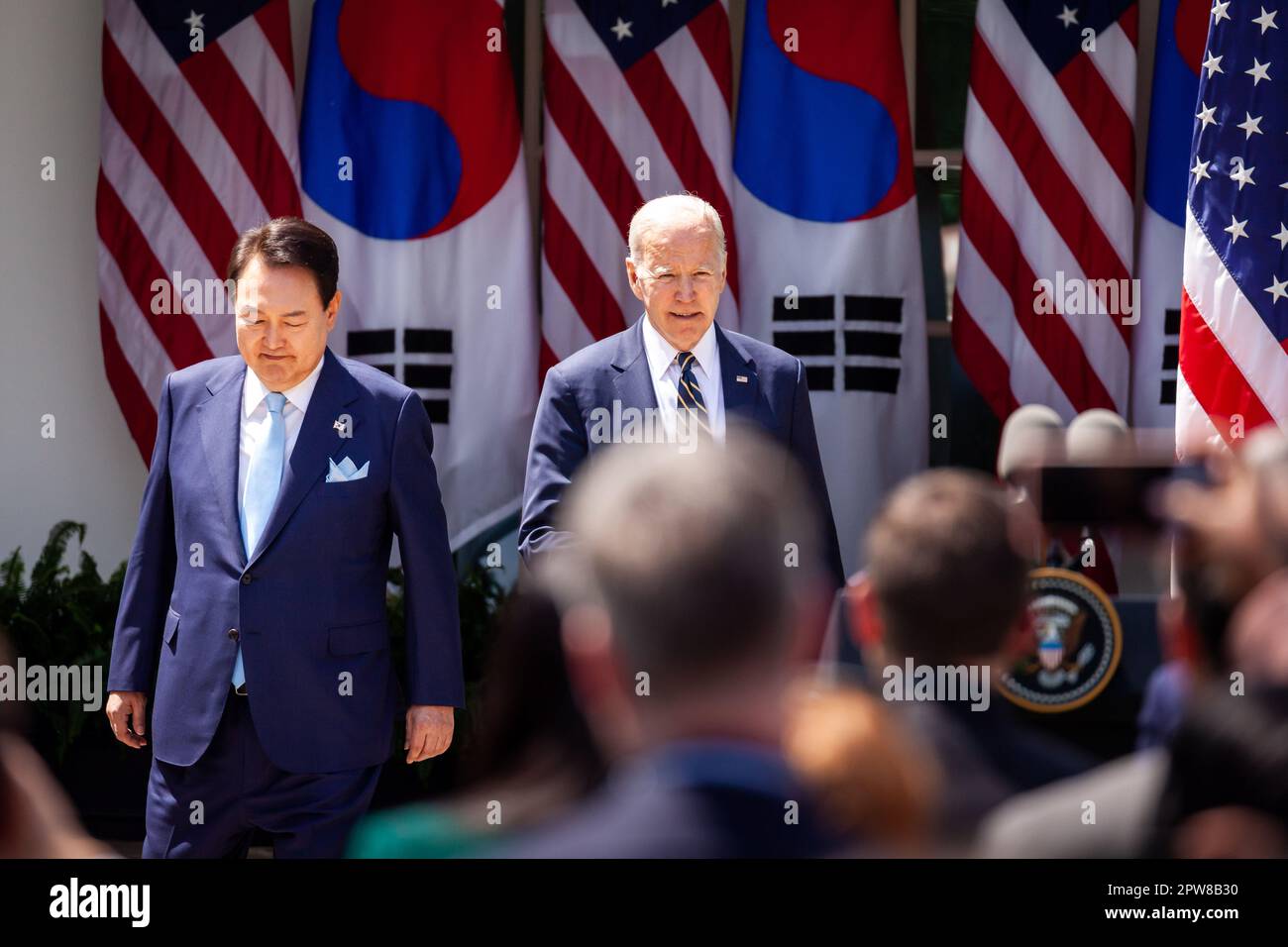
The administration’s approach to foreign affairs has centered on strengthening security and economic ties with the United States and Japan, a move intended to stabilize regional volatility and secure access to high-tech manufacturing ecosystems. This diplomatic realignment, coupled with the persistent global influence of South Korean cultural exports—the so-called “Hallyu” wave—has positioned the country as an essential intermediary in the tech-driven global economy, as noted by the Center for Strategic and International Studies (CSIS).
Pragmatic Diplomacy and Global Supply Chains
At the core of the administration’s economic strategy is the “semiconductor and AI supply chain” objective, which aims to solidify South Korea’s status as a top-tier provider of advanced memory chips and AI hardware. By participating in initiatives like the “Chip 4” alliance, the government has sought to formalize its position alongside the United States, Japan, and Taiwan, ensuring that South Korean firms remain central to global tech security, according to the White House.

This pragmatic turn has not been without domestic friction. Critics within the National Assembly have frequently challenged the administration’s focus on trilateral security cooperation, arguing that it risks alienating other regional trade partners. However, the administration maintains that these alliances are the most effective way to protect the domestic economy from supply chain disruptions, a stance supported by recent data from the Ministry of Trade, Industry and Energy, which reported that semiconductor exports remain the primary engine of the national trade balance despite cyclical market downturns.
Political Polarization and Democratic Resilience
While the administration pursues its international agenda, the domestic political environment has been marked by intense polarization. Observers from international institutions like International IDEA have noted that South Korea’s democratic institutions remain robust, though they face challenges from a deeply divided legislative process. The tension between the executive branch and the opposition-controlled National Assembly has slowed the implementation of several key economic policies, including tax reforms designed to boost R&D investment in the AI sector.
Despite these internal hurdles, the resilience of the South Korean system is evidenced by its consistent ranking in global indices for democratic stability and press freedom. Analysts suggest that the high level of public participation in political discourse serves as a check on executive power, ensuring that even under a strong-willed administration, policy decisions undergo public and judicial scrutiny, according to the Economist Intelligence Unit.
The Enduring Influence of K-Culture
Beyond the spheres of high-tech manufacturing and geopolitics, the administration has leveraged the continued expansion of the “K-wave” to bolster national soft power. The global popularity of South Korean music, film, and television has provided a consistent platform for the country to project its cultural values and economic interests. According to the Korea Creative Content Agency, the export of cultural content has reached record levels, contributing significantly to the service sector’s growth and helping to mitigate the volatility of traditional manufacturing exports.
This cultural influence is not merely a byproduct of entertainment; it acts as a strategic asset. By maintaining the global demand for South Korean media, the government has been able to foster stronger ties with international audiences, which in turn facilitates smoother negotiations in trade and technology agreements. The integration of “cultural diplomacy” into the broader economic framework remains a hallmark of the current administration’s efforts to maintain relevance in a competitive global marketplace.
Looking Ahead: Policy Implementation and Economic Milestones
The next major checkpoint for the administration involves the upcoming legislative review of the 2025 fiscal budget, which will determine the funding levels for the government’s flagship AI and semiconductor talent development programs. The Ministry of Economy and Finance is expected to release its updated economic growth forecasts and investment plans for these sectors in the coming quarter, as mandated by the National Finance Act.
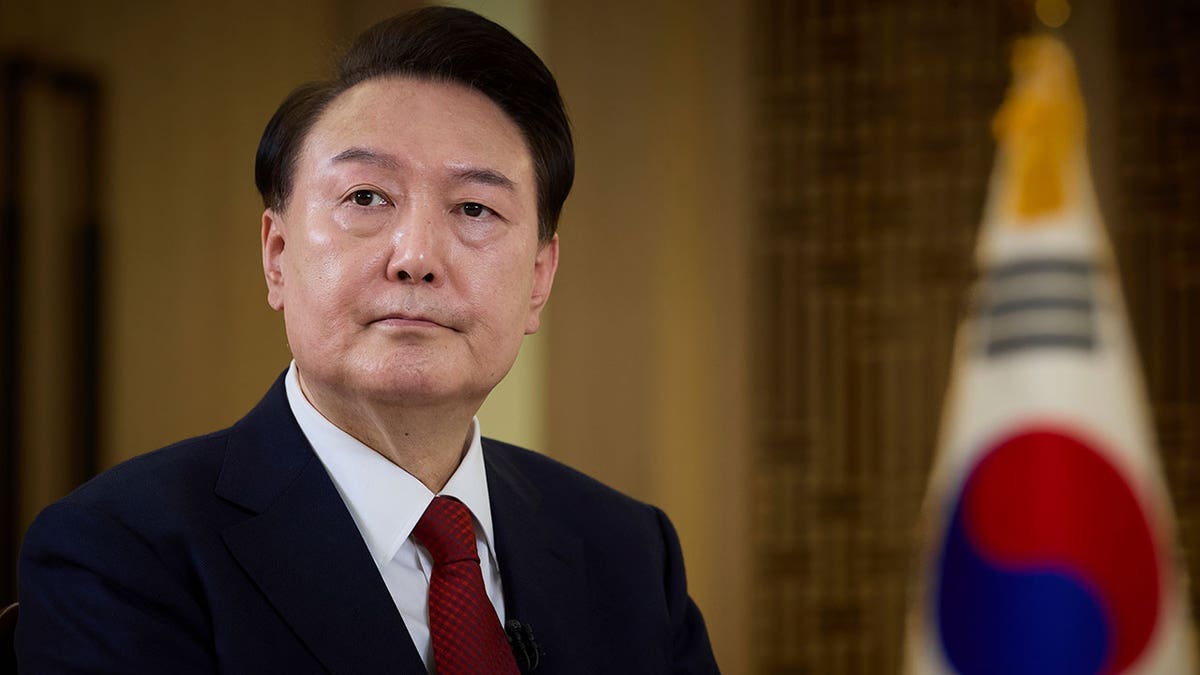
As the administration moves into the next phase of its term, the focus will likely shift from the establishment of diplomatic frameworks to the tangible implementation of industrial policies. The international community, particularly trade partners in the G7, will be monitoring these developments closely to determine the efficacy of Seoul’s pragmatic approach. For those following these trends, official updates regarding legislative hearings and trade policy adjustments can be found on the National Assembly of the Republic of Korea’s official portal. Readers are invited to share their perspectives on the administration’s performance in the comments section below.
Related reading
- Marmite Disappears from Singapore Shelves as Unilever Halts Supply – Prices Soar 7x
- CO2 Capture and Utilization: Technological Breakthroughs and Economic Challenges
- Japan Cuts GDP Growth Forecast as South Korea, Taiwan Surge on AI Semiconductor Boom (archynewsy.com)
- South Korea’s Plans for AI City Strategy: Development of Basic Plan for Jeollanam Province (world-today-news.com)