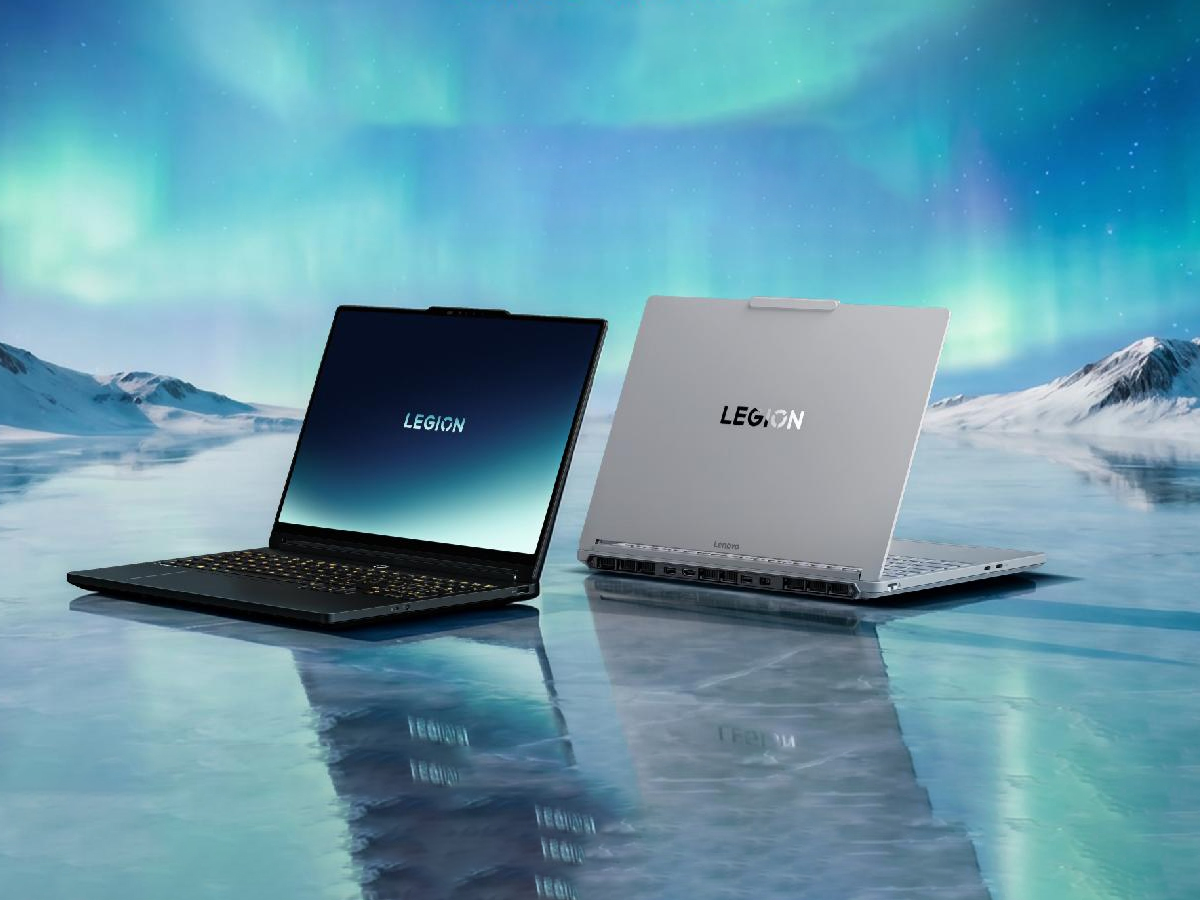
Lenovo has expanded its high-performance computing portfolio with the introduction of new hardware configurations featuring the latest mobile graphics processing units from NVIDIA. As the technology industry pushes further into mobile AI and high-fidelity gaming, Lenovo’s latest iterations of the Legion series and Yoga Pro lines signal a shift toward integrating more powerful, efficient components into portable chassis designs.
For professionals and enthusiasts alike, the inclusion of the NVIDIA GeForce RTX 5070 12 GB GPU represents a significant leap in mobile graphical capabilities. This hardware upgrade is designed to handle demanding computational tasks, ranging from complex 3D rendering and video editing to the latest generation of graphically intensive gaming titles. By pairing these GPUs with advanced display technology and modern processor architectures, Lenovo aims to bridge the gap between desktop-class performance and the convenience of a traditional laptop form factor.
Advanced Hardware for Modern Workflows
The core of this recent hardware update centers on the deployment of the RTX 5070 series, which provides 12 GB of VRAM. In a mobile environment, this memory capacity is critical for managing high-resolution textures and AI-accelerated workloads. According to NVIDIA’s official specifications for mobile GPUs, the integration of such hardware into laptops allows for improved ray-tracing performance and DLSS support, which are essential for maintaining high frame rates in modern software environments.
Lenovo’s strategy with the Legion series has consistently prioritized thermal management and power delivery, two factors that are paramount when utilizing high-wattage components like the RTX 50-series. The company has focused on optimizing internal cooling architectures to ensure that these laptops can sustain peak performance without significant thermal throttling. For users, this means that the transition to the new 12 GB GPU architecture is supported by the necessary cooling infrastructure to maintain stability during extended sessions of heavy computational load.
Expanding the Legion and Yoga Pro Ecosystems
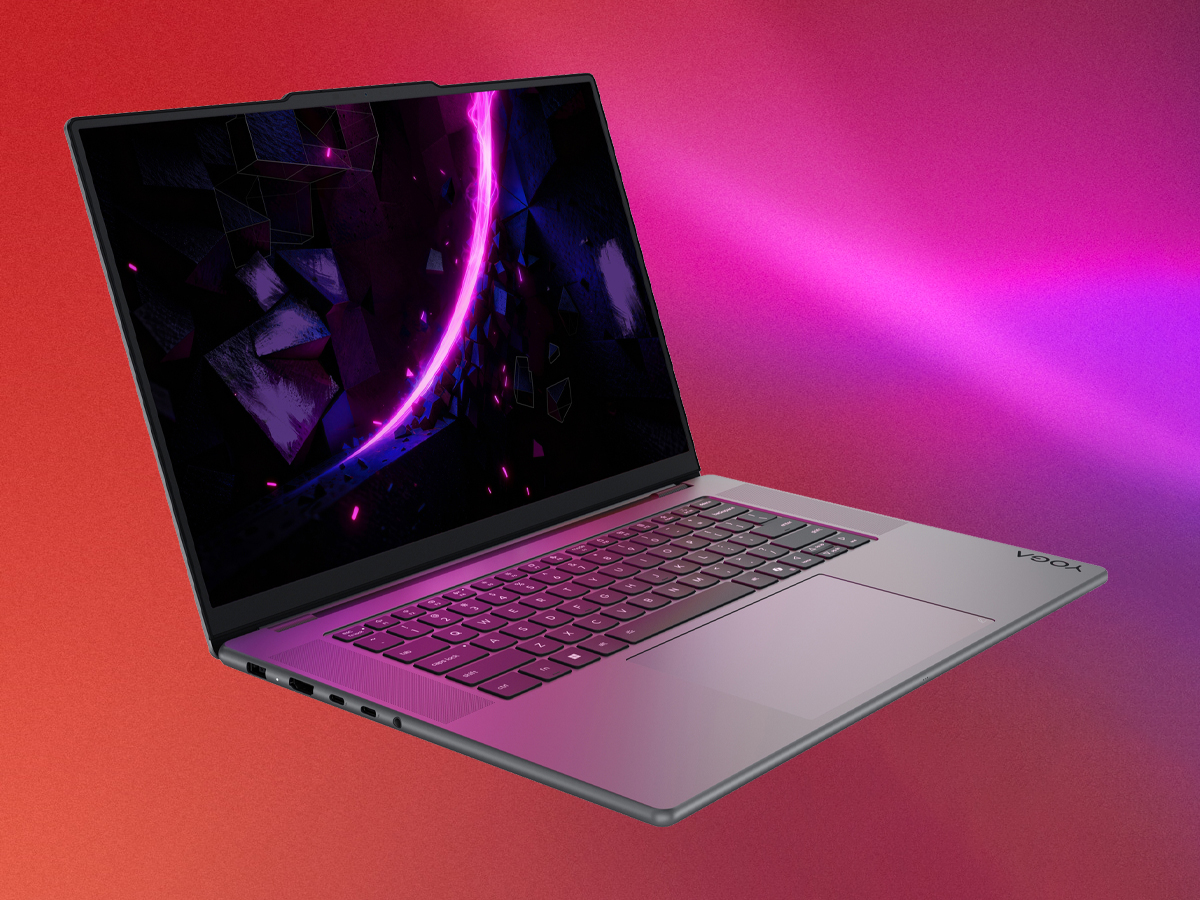
The rollout of these new configurations spans both the gaming-focused Legion lineup and the multimedia-oriented Yoga Pro series. While the Legion models are engineered for maximum thermal headroom and high-refresh-rate gaming, the Yoga Pro 7i 15 G11 brings this high-end graphical power to a more professional, portable aesthetic. This versatility is a key component of Lenovo’s broader market approach, which acknowledges that the demand for high-performance mobile computing is no longer confined solely to the gaming community.
the integration of advanced display technologies—such as high-refresh-rate OLED panels—complements the increased power of the RTX 50-series GPUs. A display capable of 165 Hz or 120 Hz, combined with the color accuracy required by content creators, ensures that the hardware can be fully utilized by both gamers and creative professionals. These updates are part of Lenovo’s ongoing commitment to the Legion laptop product line, which continues to evolve to meet the needs of diverse user segments.
Technical Specifications and Performance Expectations
Performance in the current generation of mobile devices is heavily influenced by the symbiosis between the GPU and the central processor. Lenovo continues to work closely with silicon partners to ensure that its systems are optimized for the latest CPU architectures. The focus remains on providing a seamless experience where the GPU’s 12 GB of dedicated memory can be efficiently utilized by the system’s overall memory management protocols.
Key highlights of the new hardware deployment include:
- Enhanced VRAM: The 12 GB configuration on the RTX 5070 allows for more complex multitasking and higher-resolution creative workflows.
- Thermal Efficiency: Lenovo’s proprietary cooling solutions have been refined to accommodate the power demands of the latest NVIDIA mobile graphics.
- Display Integration: High-refresh-rate OLED panels are being utilized to provide a superior visual experience that matches the increased processing power.
As with all new hardware releases, the real-world performance will vary depending on specific thermal configurations and system settings. Users are encouraged to monitor Lenovo’s official support and product pages for the most accurate documentation regarding individual laptop models and their specific power profiles.
Looking Ahead: The Future of Mobile Computing
The introduction of these laptops marks a notable step in the evolution of mobile technology in 2026. By prioritizing high-performance components and high-quality display panels, Lenovo is positioning itself to capture a significant share of the market that demands desktop-level capabilities in a mobile, flexible package. As AI-integrated software becomes more prevalent, the demand for hardware that can process these workloads locally on the device will likely continue to grow.
For those interested in the latest hardware developments, Lenovo is expected to release further documentation and technical whitepapers regarding the power efficiency and performance benchmarks of these new units in the coming months. We will continue to track these developments as more information becomes available from official company disclosures. What are your thoughts on the shift toward 12 GB VRAM in mobile GPUs? Join the conversation below and share your experiences with the latest generation of mobile workstations and gaming laptops.