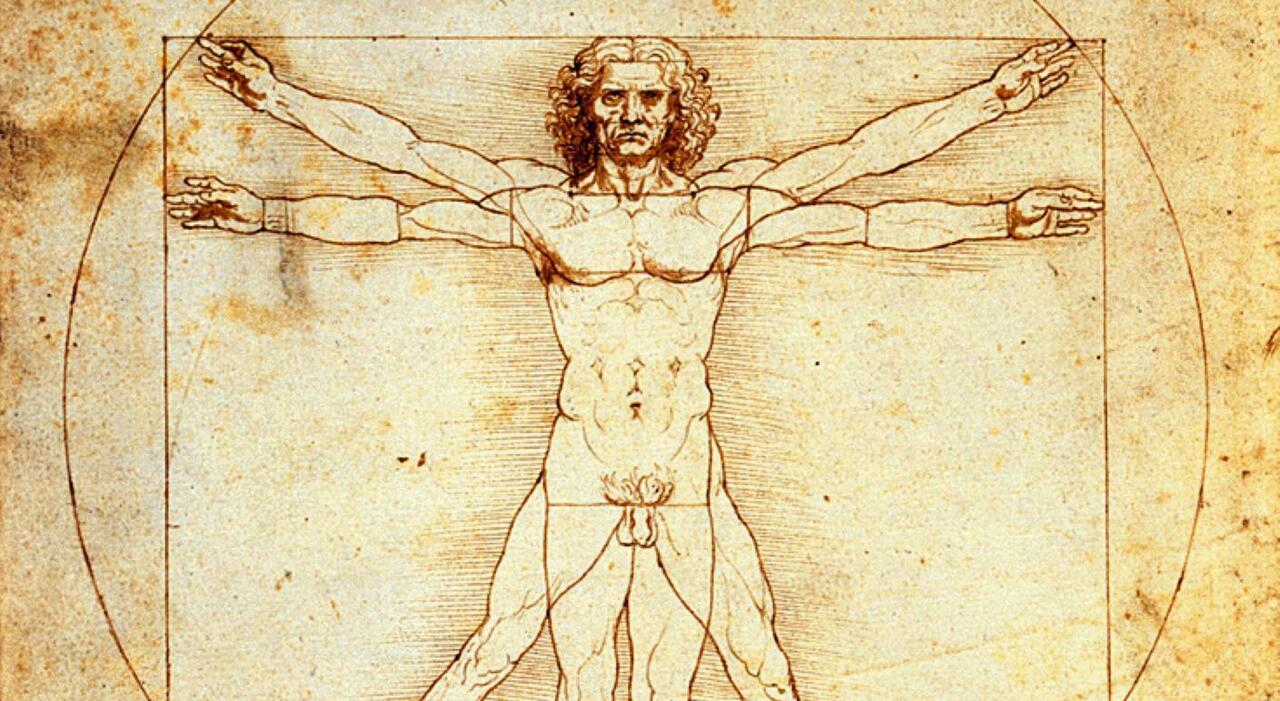
Five centuries after Leonardo da Vinci first sketched the intricate muscular patterns inside the human heart, modern science has confirmed his remarkable intuition. The Renaissance polymath, renowned for masterpieces like the Mona Lisa and The Last Supper, also devoted extensive time to anatomical studies, producing detailed drawings of the heart’s internal structures that remained enigmatic for generations.
Recent research using advanced imaging techniques and fractal analysis has revealed that the trabeculae carneae – the delicate, web-like muscle fibers Leonardo observed lining the heart’s ventricles – play a significant role in cardiovascular function and disease risk. This validation of his 500-year-old observations underscores the enduring relevance of his interdisciplinary approach to understanding the human body.
The trabeculae, which Leonardo described as resembling “snowflakes” or “lace,” are not merely anatomical curiosities. Scientists analyzing data from over 18,000 participants in the UK Biobank study have found that the complexity of these internal heart structures correlates with susceptibility to heart failure and other cardiac conditions. Their branching, fractal-like architecture appears to influence blood flow dynamics in ways that may protect against or predispose individuals to disease.
Leonardo’s methodology combined meticulous dissection with artistic observation, a practice that anticipated modern scientific illustration. He performed more than 30 human dissections and numerous animal examinations, creating over 800 anatomical drawings, approximately 100 of which focused on the cardiovascular system. His notes reveal a deep curiosity about how the heart’s form relates to its function, long before the advent of technologies like magnetic resonance imaging that now allow non-invasive study of these same structures.
The confirmation of his insights carries implications beyond historical interest. It highlights how foundational observational skills, when combined with rigorous inquiry, can yield discoveries that withstand centuries of scientific scrutiny. For contemporary cardiology, understanding the genetic and functional significance of trabeculae may open new avenues for assessing cardiovascular risk and developing personalized prevention strategies.
Decoding Leonardo’s Heart Drawings
Leonardo’s fascination with the heart stemmed from his broader quest to understand the mechanics of life. Unlike many of his contemporaries who relied on ancient texts, he prioritized direct observation through dissection. His surviving manuscripts contain detailed sketches of the heart’s chambers, valves, and the intricate network of muscular ridges he termed trabeculae, which he believed played a role in warming the blood as it circulated near the heart’s core.
One of his most notable contributions was the early description of vortices in blood flow within the ventricles, a phenomenon now recognized as important for efficient cardiac function. He hypothesized that these swirling patterns, influenced by the trabecular structure, helped prevent blood stagnation – an idea that aligns with current understanding of how endocardial surfaces contribute to hemodynamic efficiency.
The accuracy of his drawings, particularly given the technological limitations of his era, has astonished modern anatomists. His ability to depict three-dimensional structures on a two-dimensional plane with such precision suggests a profound spatial understanding honed through years of artistic practice applied to scientific inquiry.
Modern Science Validates a Renaissance Hypothesis
The recent validation comes from a multidisciplinary study published in Nature, where researchers applied fractal analysis – a mathematical approach to studying complex, self-similar patterns – to cardiac MRI scans from the UK Biobank. By examining the trabeculae in nearly 19,000 hearts, they identified specific geometric properties associated with increased risk of heart disease.
Scientists found that individuals with less complex trabecular patterns – those exhibiting lower fractal dimension – were more likely to develop cardiomyopathy and experience heart failure. Conversely, highly branched, lace-like trabeculae resembling Leonardo’s descriptions appeared to confer some protective effect, possibly by enhancing blood mixing and reducing shear stress on the endocardial surface.
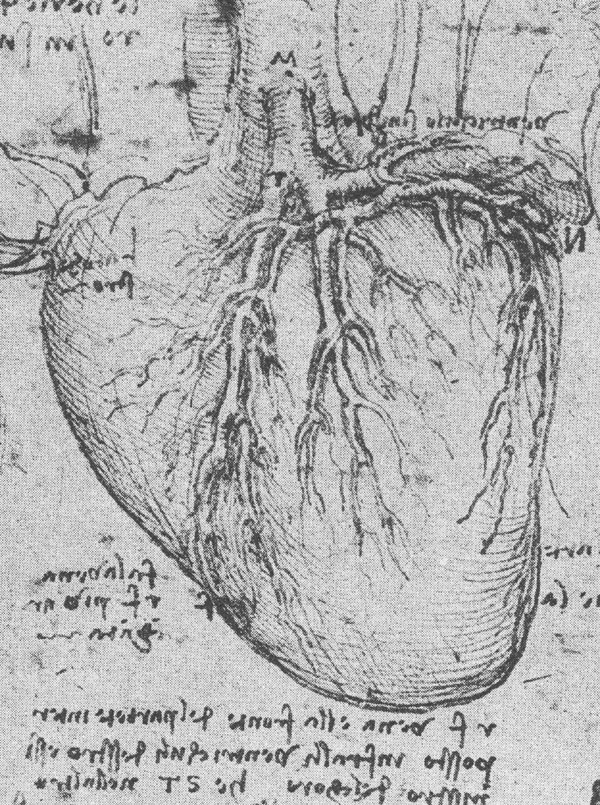
This research represents one of the largest investigations into the functional significance of trabeculae to date. While their embryonic origins are well understood – they form during heart development and persist into adulthood – their precise role in mature cardiovascular physiology had remained unclear until these recent analyses bridged the gap between observation and function.
The study’s authors explicitly referenced Leonardo’s prescient drawings, noting that his characterization of these structures as “miraculous instruments” anticipated their discovery as key players in cardiac health. His hypothesis that they might function similarly to systems preventing ice formation on surfaces – by maintaining warmth through localized circulation – finds partial resonance in modern theories about their role in regulating endocardial temperature and blood dynamics.
The Enduring Legacy of Interdisciplinary Inquiry
Leonardo’s approach to anatomy exemplifies the power of integrating artistic sensibility with scientific rigor. His anatomical function was driven by the same curiosity that fueled his inventions and artistic innovations: a desire to understand the underlying principles governing natural phenomena. This holistic perspective allowed him to notice details that more narrowly focused observers might overlook.
Contemporary medical education increasingly recognizes the value of such interdisciplinary training. Programs that combine scientific rigor with observational skills derived from art or design training aim to cultivate the kind of integrative thinking Leonardo demonstrated. His legacy serves as a reminder that breakthroughs often occur at the intersection of seemingly disparate fields.
The ongoing study of trabeculae continues to evolve. Researchers are now investigating genetic factors that influence their formation and complexity, hoping to identify biomarkers that could predict cardiac susceptibility earlier than current methods allow. Advanced computational models simulate how different trabecular configurations affect blood flow, offering insights that could inform surgical techniques or device design.
As imaging technologies grow more sophisticated and datasets larger, the potential to uncover further nuances in cardiac structure-function relationships grows. Leonardo’s initial sketches, once viewed primarily as artistic curiosities, now serve as a historical touchstone for understanding how foundational observations can inspire centuries of scientific inquiry.
What So for Heart Health Today
For patients and healthcare providers, the validation of Leonardo’s observations reinforces the importance of looking beyond traditional risk factors like cholesterol and blood pressure. While those remain critical, understanding the structural nuances of the heart – including features like trabecular complexity – may eventually contribute to more refined risk assessment tools.

Current clinical practice does not routinely assess trabecular patterns, as the research is still translating from population studies to individual diagnostics. However, the growing body of evidence suggests that cardiac imaging analyses could one day incorporate fractal or morphometric evaluations of the endocardial surface as part of a comprehensive cardiovascular evaluation.
In the meantime, maintaining overall cardiovascular health through established means – regular physical activity, balanced nutrition, avoiding tobacco, and managing stress – remains the most effective strategy for supporting healthy heart structure and function. The intricate internal architecture Leonardo marveled at benefits from the same holistic care that supports the entire cardiovascular system.
The story of Leonardo’s heart drawings is ultimately a testament to the enduring power of careful observation. Five hundred years after he first put pen to paper to document what he saw beneath the sternum, scientists using 21st-century tools confirmed that his insights were not only accurate but prescient. In an era of rapid technological advancement, his example reminds us that the most profound discoveries often begin with simply looking closely – and questioning what we see.
As research into the trabeculae and other subtle cardiac features progresses, it will continue to build upon the foundation laid by a Renaissance genius who saw no boundary between art and science. His work invites us to maintain that same spirit of curiosity, recognizing that understanding the human body – in all its complexity – requires both precision and imagination.
Stay informed about developments in cardiovascular science by following updates from reputable medical journals and health organizations. Share your thoughts on how historical insights continue to shape modern medicine in the comments below.
Keep reading