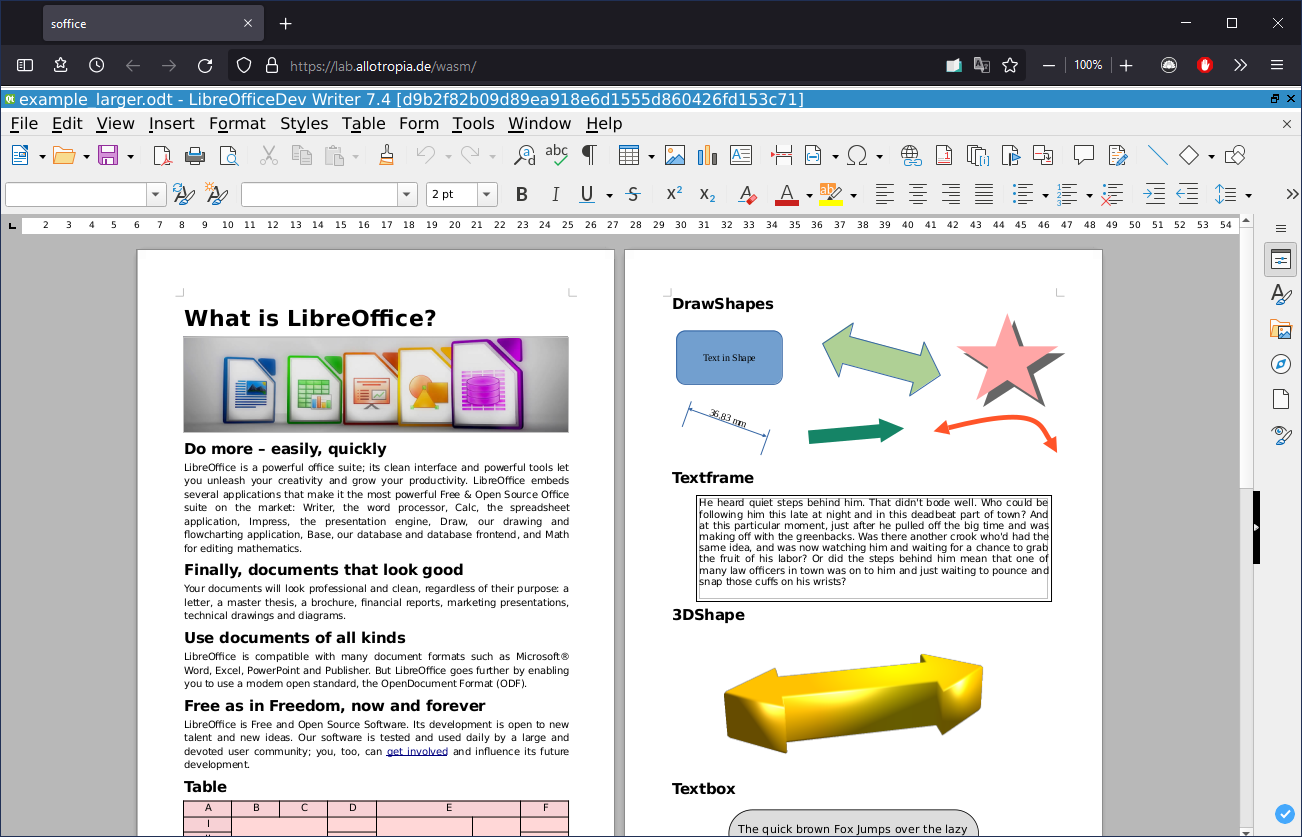
The Document Foundation (TDF), the entity responsible for the development of the LibreOffice suite, is currently navigating a period of internal friction regarding its expansion into web and mobile platforms. This strategic pivot, aimed at broadening the reach of the open-source office suite, has coincided with a notable shift in the organization’s relationship with Collabora, a key contributor to the ecosystem.
For users and contributors, the current landscape of LibreOffice development remains rooted in its community-driven model. The suite continues to provide six core tools—Writer, Calc, Impress, Draw, Base, and Math—maintained through the collaborative efforts of hundreds of contributors worldwide. As an open-source project, the software allows for independent study and iterative improvement, ensuring that the platform remains accessible to a global user base across dozens of languages, from Afrikaans to Welsh.
Shifting Dynamics in the LibreOffice Ecosystem
The tension within The Document Foundation became public in early 2026, centering on the role of core developers and their professional affiliations. According to documentation from Collabora regarding their own project history, the organization was instrumental in the origin of LibreOffice Online. However, as the foundation has sought to define its own web and mobile strategy, the alignment between TDF’s governance and its contributors has faced significant scrutiny.
In April 2026, reports indicated that the TDF Membership Committee reached a decision regarding the membership status of staff associated with Collabora. This administrative move highlights the ongoing complexities of managing a decentralized open-source project where commercial entities and independent volunteers often have overlapping, yet sometimes conflicting, strategic priorities regarding the future of office productivity software.
The Technical Path for Web and Mobile
Despite these governance challenges, the technical objective remains clear: bringing the functionality of the LibreOffice desktop suite to modern web browsers and mobile devices. LibreOffice is designed to function as a comprehensive suite, encompassing word processing, spreadsheet analysis, and multimedia presentation tools, alongside database management and mathematical formula editing.
The challenge for the foundation lies in balancing this technical ambition with the need for a cohesive community structure. While the software itself is provided as a free, unfettered tool for end users, the infrastructure required to support cloud-based and mobile-first versions often demands a level of sustained, synchronized development that can test the limits of a traditional non-profit foundation model.
What This Means for the Future
The core of the issue for the community is whether the foundation can successfully execute a mobile-first or web-first strategy without alienating the very developers who have historically sustained the codebase. As of June 2026, the situation remains a developing topic within the open-source software community.
For the average user, the day-to-day functionality of LibreOffice remains unaffected. The project continues to offer its full suite of tools for download, supported by community-maintained guides and documentation. The primary shift is organizational rather than functional, as the foundation attempts to reconcile its original community-led ethos with the demands of a modern, multi-platform software market.
Updates regarding the governance of The Document Foundation and any changes to its development roadmap are expected to be communicated through the organization’s official channels. Interested community members and contributors are encouraged to monitor official announcements for verified updates on membership policies and technical progress.
Related reading