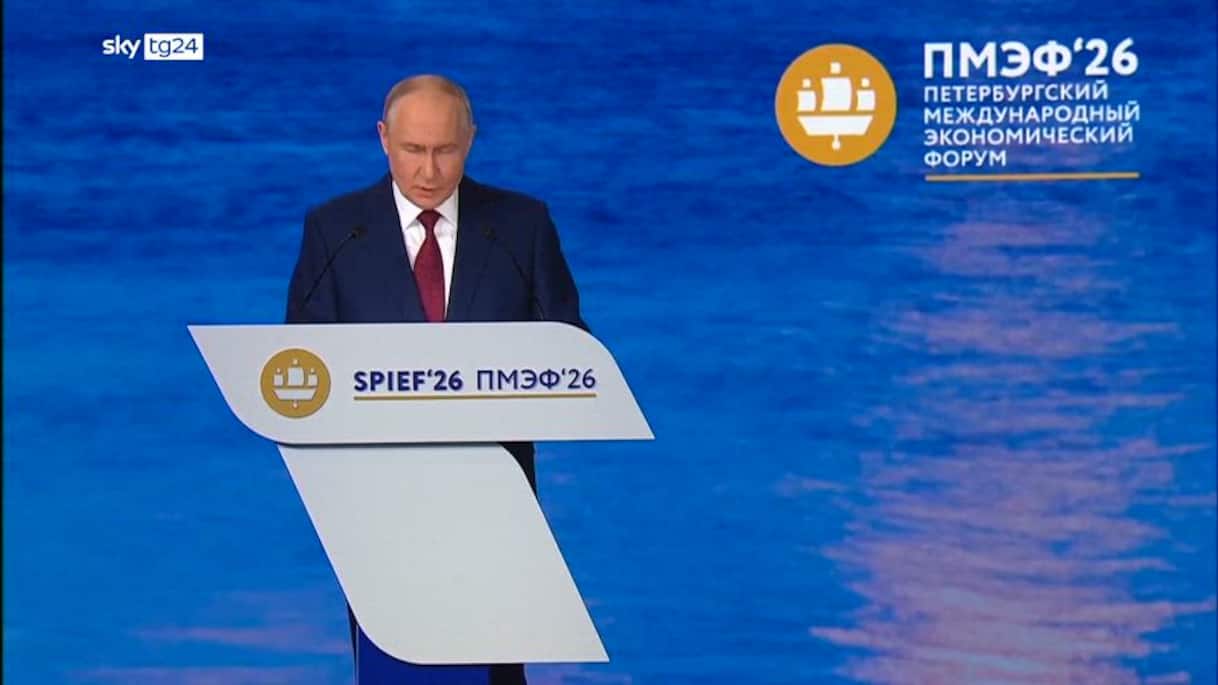
Ukrainian long-range drone operations have once again targeted infrastructure in the vicinity of St. Petersburg, marking a continued shift in the geographical scope of the ongoing conflict. These strikes, characterized by the use of unmanned aerial vehicles, represent an effort to reach industrial and logistical hubs located deep within Russian territory, far from the primary front lines in eastern and southern Ukraine.
The strategic use of drone technology has become a hallmark of the current phase of the war. By targeting facilities in the Leningrad region, Ukrainian forces aim to disrupt supply chains and put pressure on domestic infrastructure that supports the Russian war effort. These operations are part of a broader tactical approach that relies on asymmetric warfare to compensate for the significant disparities in conventional military hardware between the two nations.
The escalation of drone activity over northern Russia has raised significant questions regarding the effectiveness of regional air defense systems. While Russian authorities frequently report the successful interception of such devices, the repeated nature of these incursions suggests that current defensive measures face ongoing challenges in detecting and neutralizing low-flying, small-scale aerial threats.
Strategic Implications of Long-Range Strikes
The decision to conduct operations against targets near St. Petersburg is not merely tactical but carries heavy symbolic and economic weight. As a major economic center and a historic focal point of Russian identity, the city’s proximity to potential drone paths forces a redistribution of defensive assets. According to assessments from the Institute for the Study of War, the expansion of drone strikes into these regions forces Moscow to spread its air defense coverage thinner, potentially leaving other areas more vulnerable.
From a logistical standpoint, the strikes target energy infrastructure and manufacturing plants that are vital to the national economy. The Reuters news agency has previously documented how these disruptions, though often localized, contribute to a broader campaign of economic attrition. By forcing the Russian military to prioritize the protection of internal facilities, Ukraine seeks to degrade the operational capacity of the Russian industrial base.
The Technological Evolution of Drone Warfare
The drones employed in these long-range missions have evolved significantly since the onset of the full-scale invasion in February 2022. Early in the conflict, the use of off-the-shelf commercial quadcopters was common; however, current operations increasingly utilize custom-built, long-range fixed-wing drones. These systems are designed for higher endurance and are often equipped with autonomous flight capabilities to bypass GPS jamming, a common defensive tactic employed by Russian electronic warfare units.
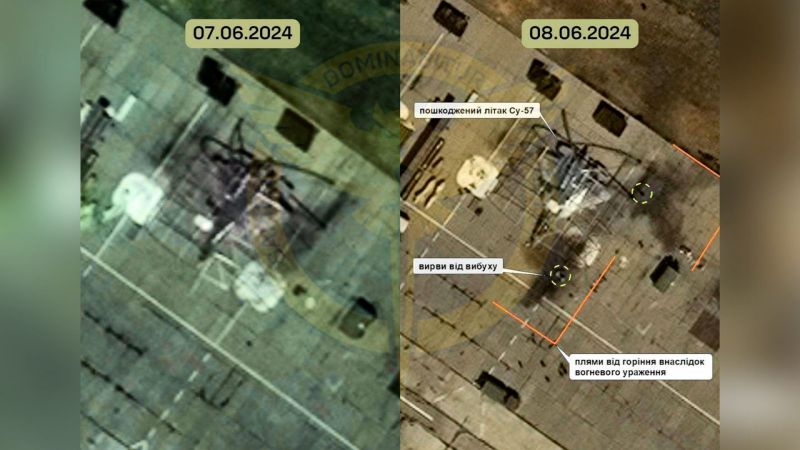
Technical analysis provided by the Royal United Services Institute (RUSI) highlights that the success of these missions depends heavily on flight path planning and the ability to operate at extremely low altitudes. This minimizes the radar cross-section of the drones, making them difficult for traditional long-range radar systems to track until they are in the immediate vicinity of their target.
Regional Security and Public Impact
For the residents of the Leningrad region, these events have brought the reality of the conflict into their immediate environment. While the Russian Ministry of Defense maintains that the majority of aerial incursions are neutralized, the psychological impact of such strikes cannot be overlooked. The necessity of closing airspaces temporarily—a measure frequently implemented during these incidents—disrupts civil aviation and underscores the persistent threat posed by the conflict.
The international community continues to monitor these developments closely. Western allies, who provide varying levels of support to Ukraine, have generally maintained that while they do not encourage strikes within Russian territory, they recognize Ukraine’s right to defend itself using its own domestically produced capabilities. This distinction is critical, as it attempts to balance the need for Ukrainian self-defense with the desire to avoid direct escalation between NATO and Russia.
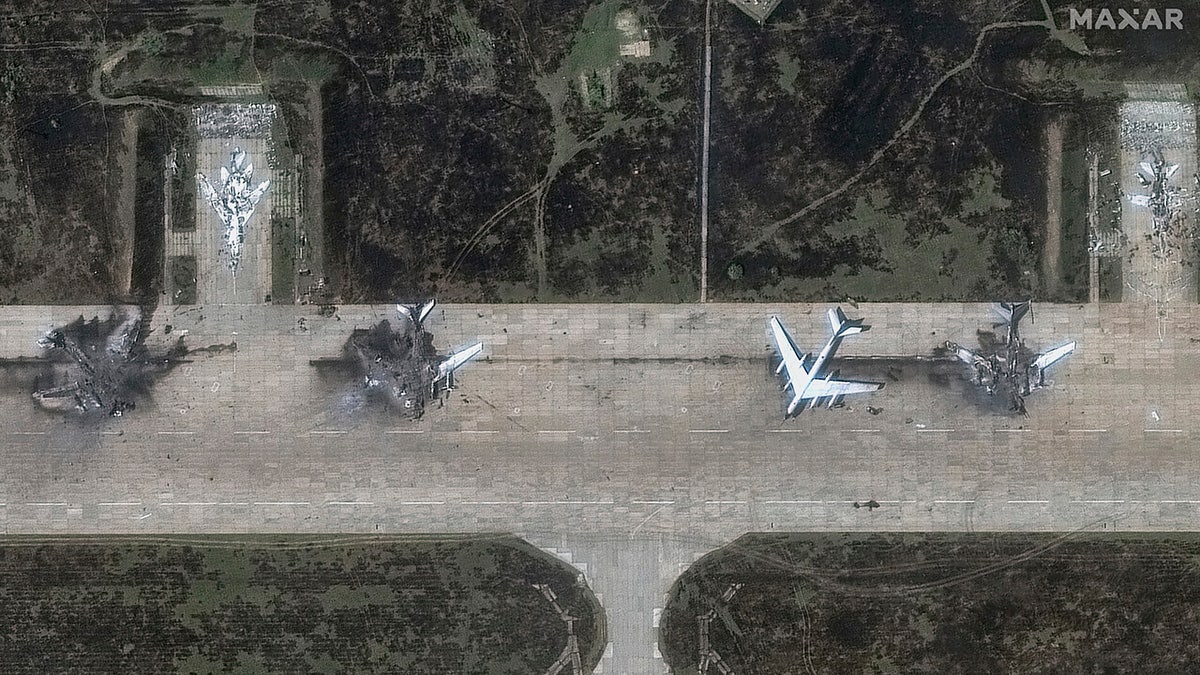
As the conflict enters this extended phase, the frequency and precision of these strikes will likely remain a key indicator of Ukraine’s evolving military capabilities. Observers note that the focus is shifting toward sustainable, long-term attrition rather than rapid territorial gains, placing a premium on the ability to strike deep behind enemy lines.
Official updates regarding the status of regional security and any potential damage reports are periodically issued by the regional governor’s office and the Russian Ministry of Defense. Residents are advised to monitor official channels for safety guidance and updates on airspace restrictions. We will continue to track these developments as more information becomes available from verified official sources.