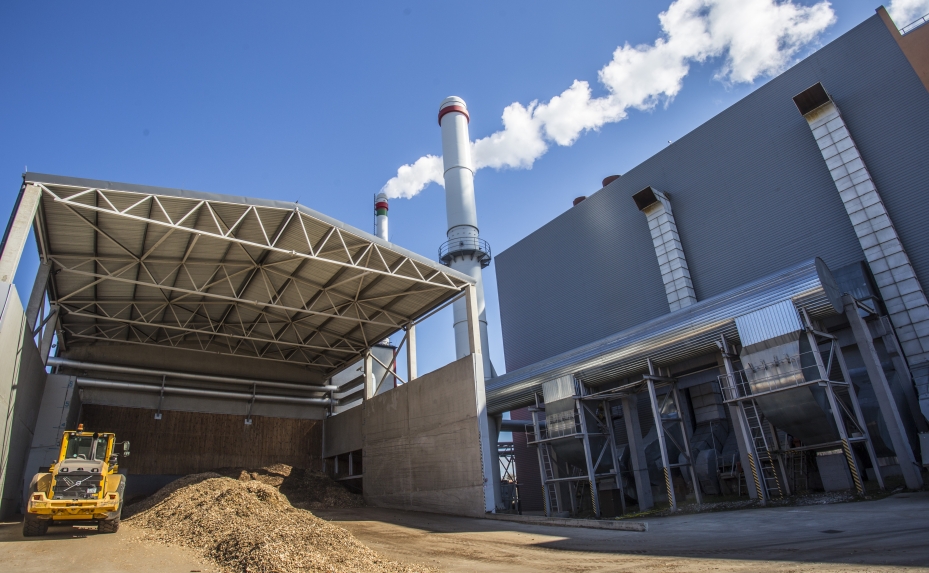
Liepājas enerģija, the municipal energy company serving Latvia’s third-largest city, has announced a new procurement tender for biomass fuel supply ahead of the 2025/2026 heating season. The company is inviting wood chip suppliers to submit competitive bids for the delivery of energetic wood chips, a key renewable resource in its district heating system. This initiative forms part of Liepājas enerģija’s ongoing strategy to secure reliable, cost-effective fuel sources while maintaining its commitment to sustainable energy production.
The procurement process, officially titled “Enerģētiskās šķeldas piegāde 2025./2026. Gada apkures sezonā,” requires interested suppliers to submit their commercial offers by May 8, 2025, at 11:00 AM local time. Bids must be sent electronically to the designated procurement officer, Jelena Trofimenko, whose contact details have been published in the official tender documentation. This timeline aligns with the company’s annual preparation cycle for the upcoming heating period, which typically begins in October and runs through April.
According to the tender notice published on April 17, 2025, Liepājas enerģija plans to evaluate all submissions based on price, quality, and delivery reliability before finalizing supply contracts. The company emphasized that diversifying its supplier base remains a strategic priority to mitigate supply chain risks and foster healthy market competition. This approach has been consistently applied in previous years, with the utility routinely engaging multiple vendors to ensure uninterrupted heat distribution across its network.
The scope of the tender covers the supply of energetic wood chips, which Liepājas enerģija uses as a primary fuel in its combined heat and power plants. In 2022, biomass accounted for 82.3% of the company’s renewable energy consumption, underscoring its central role in the municipality’s decentralized district heating system. This system provides warmth and hot water to over 1,150 buildings throughout Liepāja, including residential apartments, private homes, commercial facilities, and public institutions.
Liepājas enerģija has operated a centralized district heating network since 2009, when it made a strategic decision to prioritize modernized thermal energy delivery using renewable sources. The company began producing thermal energy from wood chips in 2012 and has since expanded its biomass infrastructure to meet growing demand. Official statistics show that in 2022, the utility generated 247 GWh of thermal energy while delivering 210 GWh to end consumers, reflecting a 11% decrease compared to the previous year due to milder weather conditions and energy-saving measures.
The current tender process follows a pattern established in earlier procurement rounds. For the 2023/2024 heating season, Liepājas enerģija issued a similar invitation in April 2023, setting a bid submission deadline of May 16 at 11:00 AM. That initiative was announced by Zane Ģirne, the company’s public relations specialist at the time. Historical data indicates that such tenders typically attract participation from regional forestry cooperatives, wood processing enterprises, and specialized biomass traders operating within Latvia and neighboring Baltic states.
By conducting these periodic competitive bidding procedures, Liepājas enerģija aims to balance cost efficiency with supply security, particularly as biomass prices can fluctuate based on forestry output, transportation logistics, and broader European energy market dynamics. The company’s procurement strategy also includes exploring opportunities to participate in regional energy exchanges such as Baltpool, which could provide additional price transparency and risk management tools for future fuel acquisitions.
Suppliers interested in participating in the 2025/2026 tender must adhere strictly to the formal requirements outlined in the tender documents, which include technical specifications for wood chip quality, moisture content, and delivery schedules. All communication regarding the tender should be directed to the appointed procurement specialist, ensuring transparency and equal treatment of all bidders. The evaluation process will be conducted in accordance with Latvian public procurement laws, which govern how municipal entities conduct competitive bidding for goods and services.
As Liepāja continues to rely on district heating as a cornerstone of its urban energy infrastructure, the outcome of this tender will directly influence the utility’s operating costs and, the heating tariffs charged to residents and businesses. Stakeholders across the city—from housing cooperatives to industrial consumers—will monitor the results closely, as they have a vested interest in both the affordability and reliability of thermal energy supply during the cold months.
For the most current updates on this procurement process, including any changes to deadlines or submission procedures, interested parties are advised to consult the official “Purchases” section of Liepājas enerģija’s website. The company maintains that all tender-related information is published promptly in this dedicated online portal, ensuring accessibility for potential suppliers and the public alike.
Stay informed about developments in Latvia’s energy sector and share your insights on how municipal utilities are navigating the transition to sustainable heating solutions. Your perspective contributes to a broader understanding of the challenges and opportunities in Europe’s evolving energy landscape.
Worth a look