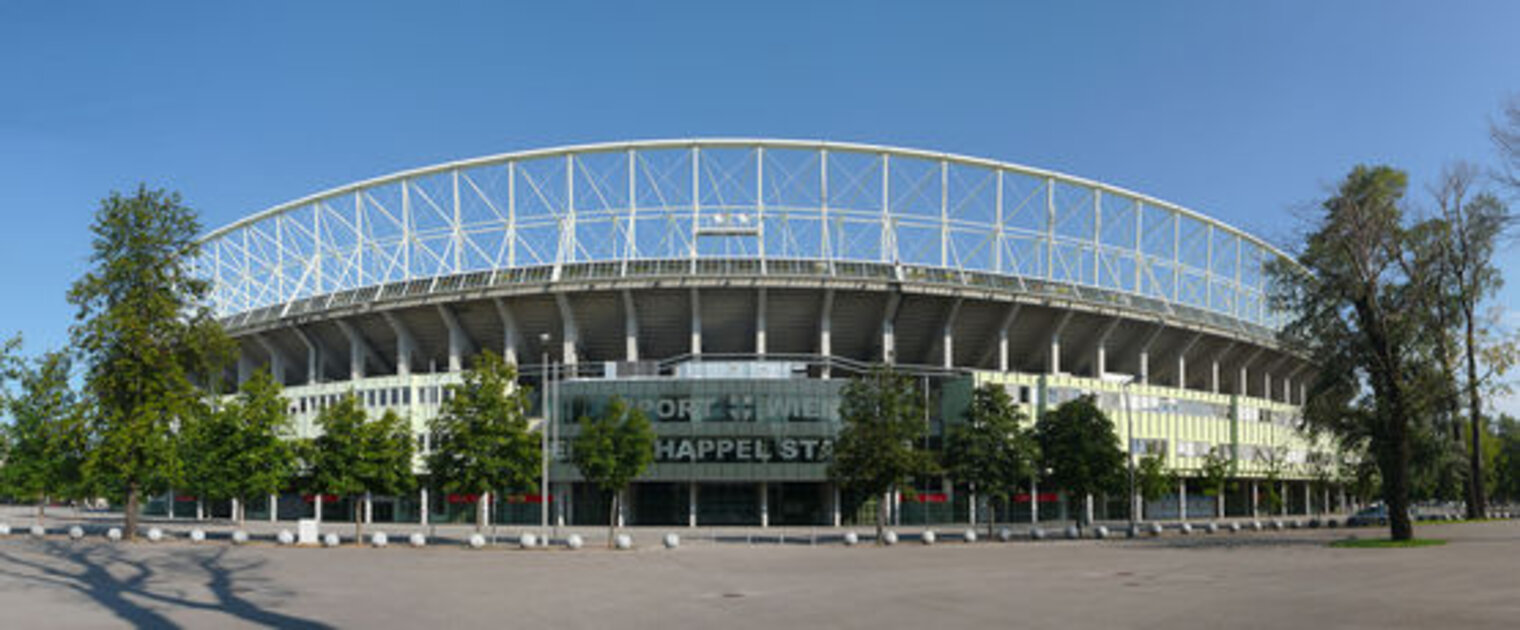
Major concert events at the Ernst-Happel-Stadion in Vienna, including performances by international acts such as Linkin Park, are creating significant traffic disruptions throughout the city. According to the Austrian Automobile, Motorcycle and Touring Club (ÖAMTC), large-scale events at the stadium necessitate advanced planning for commuters and concertgoers alike, as road closures and increased congestion are common during peak arrival and departure times.
Traffic Management and Public Infrastructure in Vienna
The Ernst-Happel-Stadion, located in Vienna’s second district, serves as the city’s primary venue for high-capacity events. Traffic experts frequently advise that the surrounding arterial roads—including the A23 Südosttangente—experience heavy volume when tens of thousands of visitors arrive simultaneously. The ARBÖ (Auto-, Motor- und Radfahrerbund Österreichs) has consistently issued warnings ahead of major stadium events, noting that bottlenecks frequently form at the Praterstern junction and the Stadionbrücke, impacting local transit schedules and private vehicle throughput.
For attendees, the most effective way to avoid delays remains the use of the Vienna U-Bahn system. The U2 line provides a direct connection to the “Stadion” stop, which is designed to handle high foot traffic during concert windows. Authorities typically coordinate with Wiener Linien to increase train frequency during these peak periods to mitigate the strain on the city’s surface road network.
Concert Logistics and Venue Operations
When high-profile bands perform in Vienna, the impact extends beyond traffic. The logistical requirements for setting up massive staging equipment often begin days in advance, leading to restricted parking zones in the immediate vicinity of the stadium. According to local transit reports, these restrictions are enforced to ensure emergency vehicle access and to manage the flow of specialized transport trucks required for international tours.
The Ernst-Happel-Stadion is unique in its integration within the Prater park area, which complicates traffic management compared to venues located in more industrial zones. Because the stadium is situated in a high-traffic recreational area, officials from the City of Vienna often implement specific traffic diversion plans, which are communicated to the public via the city’s official information channels and traffic advisory services.
Planning Your Visit to the Ernst-Happel-Stadion
For those attending future events, staying updated on real-time traffic information is essential. The City of Vienna’s official traffic portal provides up-to-the-minute data on road closures and public transport disruptions. It is recommended that visitors:

- Utilize the U-Bahn or S-Bahn networks instead of driving private vehicles.
- Check official event organizers’ websites for specific gate opening times and recommended arrival windows.
- Monitor local traffic radio or apps that provide live updates on congestion levels around the Prater area.
While the excitement of live music often takes center stage, the coordination between event promoters, the city, and mobility organizations remains the backbone of a successful event day. By preparing for potential transit delays, attendees can ensure a smoother experience from the moment they enter the city until the final encore concludes.
The next major public updates regarding venue access and traffic advisories will be published by the City of Vienna and local mobility clubs as new event dates are confirmed. Please share your experiences with navigating stadium traffic in the comments below or join our community newsletter for ongoing updates on major events in the Austrian capital.
Worth a look
- Mario”, “Zelda” y “Pokémon”: Las sagas que unen generaciones a través del videojuego
- Konzerte ab dem 11.07.2026: MDR-Rundfunkchor – Leipzig
- Inside the Architecture of High-Traffic Betting Apps in The UX Secrets of Modern Mobile Gaming (archyworldys.com)
- Why concert tickets sell out in seconds: holds, presales, bots (daybreakwire.com)