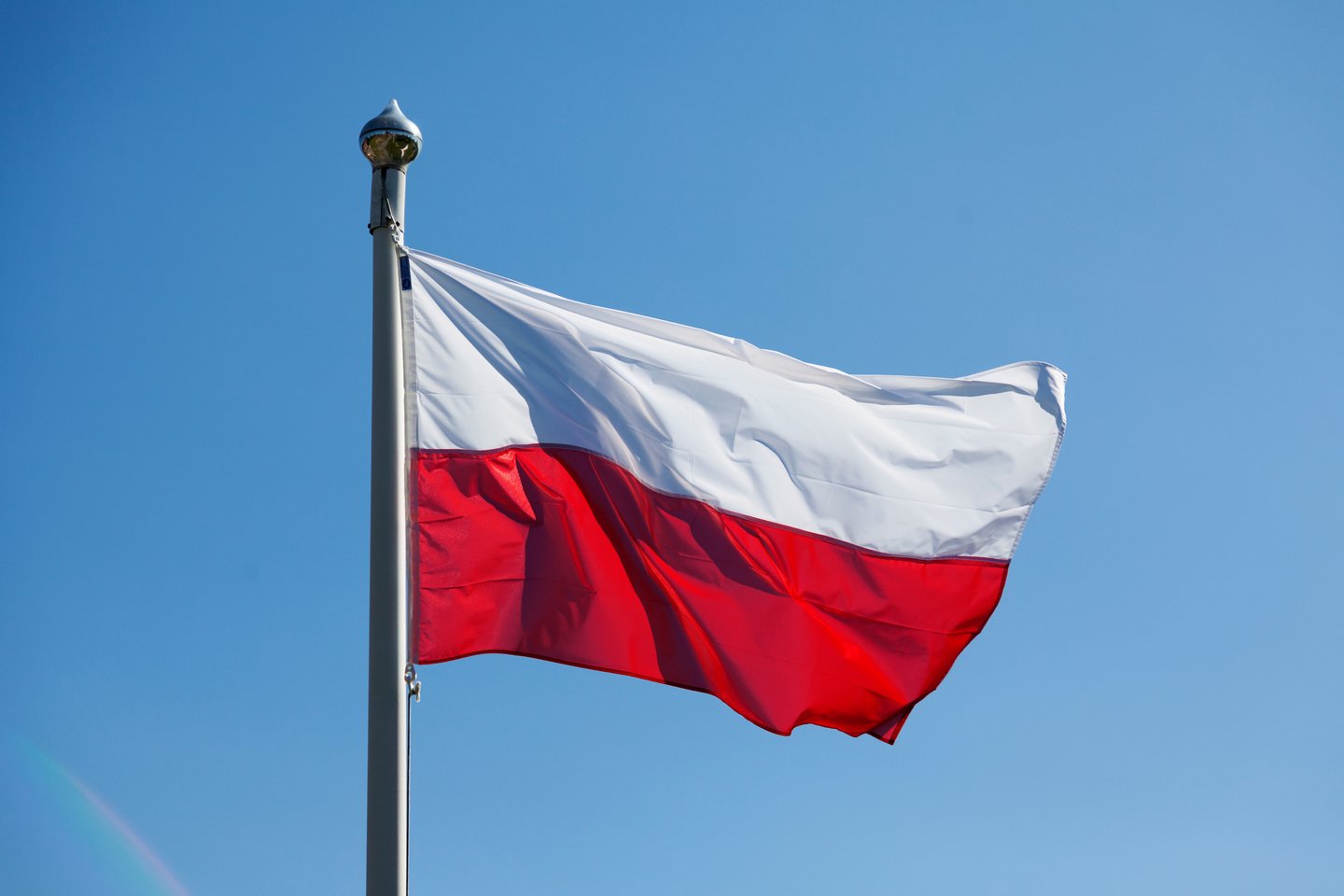
Poland Rejects Joint Military Training Area with Lithuania, Citing Environmental Concerns and Border Security
Warsaw has signaled it will not participate in a proposed joint military training area with Lithuania near the Suwałki Corridor, a strategically vital land route bordering Russia and Belarus. The decision, communicated by Polish Deputy Minister Paweł Bejda, stems from concerns over potential environmental damage and the need to maintain a sufficient buffer zone to address local residents’ anxieties. This development comes as Lithuania moves forward with plans to establish a large-scale training ground intended to bolster NATO’s eastern flank, a region increasingly scrutinized amid heightened geopolitical tensions with Russia.
The Suwałki Corridor, approximately 100 kilometers wide, is a critical stretch of land connecting the Baltic states to the rest of NATO territory. Its vulnerability has been a subject of intense discussion among defense analysts, particularly since Russia’s annexation of Crimea in 2014 and the subsequent conflict in eastern Ukraine. The 2022 Russian invasion of Ukraine further amplified these concerns, solidifying the corridor’s status as a potential flashpoint in Europe. The proposed Lithuanian training area, planned for Kapčiamiestis, would cover approximately 14,400 hectares and accommodate up to 3,500-4,000 soldiers – the size of a full brigade – for exercises held several times a year, lasting up to ten days each. Smaller-scale training exercises would also be conducted regularly.
Lithuania’s Rationale and NATO’s Eastern Flank
The Lithuanian government approved a draft law on Wednesday to establish the training area, with a final decision pending parliamentary approval. Lithuanian officials maintain that the project is essential for strengthening NATO’s eastern flank and enhancing regional security. The corridor’s strategic importance lies in its role as the sole land link between the Baltic states – Lithuania, Latvia, and Estonia – and the rest of the alliance. Any disruption to this corridor would severely hamper NATO’s ability to reinforce its Baltic members in the event of a conflict.
However, Poland’s reluctance to participate directly in the project reflects a sensitivity to local concerns and a desire to maintain control over its own territory. Deputy Minister Bejda emphasized that Poland already possesses sufficient training grounds to meet its military needs and that extending the training area into Polish territory is not a priority. He also highlighted ongoing discussions with Lithuania to ensure the proposed facility is situated at a safe distance from the border, particularly considering the concerns of residents in the Sejny region of Poland. “We are carefully monitoring the situation and reminding [Lithuania]. Everything is being done during negotiations with the Lithuanian side, emphasizing the concerns of residents. We want this security zone to be as far as possible from the Lithuanian side to our border. We will do everything to make this zone as wide as possible,” Bejda stated, according to reporting by Polish Radio Białystok.
Historical Context and Geopolitical Significance
The Suwałki Corridor’s history is intertwined with the shifting borders of Eastern Europe. The border between Poland and Lithuania was established following the 1920 Suwałki Agreement. During the interwar period, the area held limited strategic significance. However, during the Cold War, with Lithuania part of the Soviet Union and Poland aligned with the Warsaw Pact, the region became a sensitive border zone. Following the collapse of the Soviet Union and the Baltic states’ accession to NATO, the corridor’s geopolitical importance resurfaced.
The presence of significant Russian military forces on both sides of the corridor – in the Kaliningrad Oblast and Belarus – has heightened Western concerns about potential vulnerabilities. Military exercises conducted by Russia in the region are viewed with particular scrutiny, raising fears that these could escalate into more serious military actions. According to a 2022 report by the Council on Foreign Relations, the Suwałki Gap remains a critical vulnerability for NATO, requiring sustained attention and investment in defensive capabilities. Council on Foreign Relations
Poland’s Focus on Infrastructure Development
While rejecting direct participation in the joint training area, Poland has signaled its commitment to strengthening regional security through other means. Deputy Minister Bejda announced Poland’s intention to collaborate with Lithuania on developing military infrastructure, emphasizing the importance of improving transportation networks – roads and railways – to facilitate military mobility. He also noted that European Union funding for military infrastructure and mobility projects directly contributes to NATO’s overall capabilities. “Every state, by strengthening its defense, also strengthens the potential of the entire alliance,” Bejda said.
This emphasis on infrastructure development aligns with broader NATO efforts to enhance its ability to rapidly deploy forces to the eastern flank in response to potential threats. In April 2024, Lithuanian President Gitanas Nausėda and Polish President Andrzej Duda discussed these issues during joint military exercises near the Suwałki Corridor, according to reporting by LRT. LRT Nausėda also proposed the creation of a joint regional logistics center for HIMARS rocket systems ammunition with Poland, while Duda reiterated Poland’s desire for nuclear weapons as an adequate response to Russian actions.
Environmental Concerns and Local Opposition
The proposed Lithuanian training area has faced opposition from some local residents in Poland, who express concerns about the potential environmental impact and disruption to their communities. These concerns include noise pollution, damage to local ecosystems, and the potential for unexploded ordnance. The Polish government has stated it will take these concerns into account during negotiations with Lithuania, seeking assurances that the project will be implemented in a way that minimizes negative impacts on the surrounding environment and population.
In 2026, Lithuania is expected to receive its first HIMARS systems, further enhancing its defensive capabilities. The potential for a joint logistics center, as proposed by President Nausėda, could streamline the supply of ammunition for these systems, improving the region’s overall readiness. However, the success of these initiatives hinges on continued cooperation between Lithuania and Poland, as well as addressing the legitimate concerns of local communities.
Key Takeaways
- Poland has rejected a proposal for a joint military training area with Lithuania near the Suwałki Corridor, citing environmental concerns and local opposition.
- Lithuania is proceeding with plans to establish a large-scale training ground to strengthen NATO’s eastern flank.
- The Suwałki Corridor remains a strategically important but vulnerable region, requiring continued attention and investment in defensive capabilities.
- Poland is focusing on improving military infrastructure and transportation networks to enhance regional security.
The situation remains fluid, with ongoing negotiations between Lithuania and Poland aimed at finding a mutually acceptable solution. The next key development will be the Lithuanian Seimas’s final decision on the draft law establishing the training area. Continued dialogue and a commitment to addressing local concerns will be crucial to ensuring the long-term security and stability of this vital region. Readers are encouraged to share their thoughts and perspectives on this evolving situation in the comments below.
Worth a look