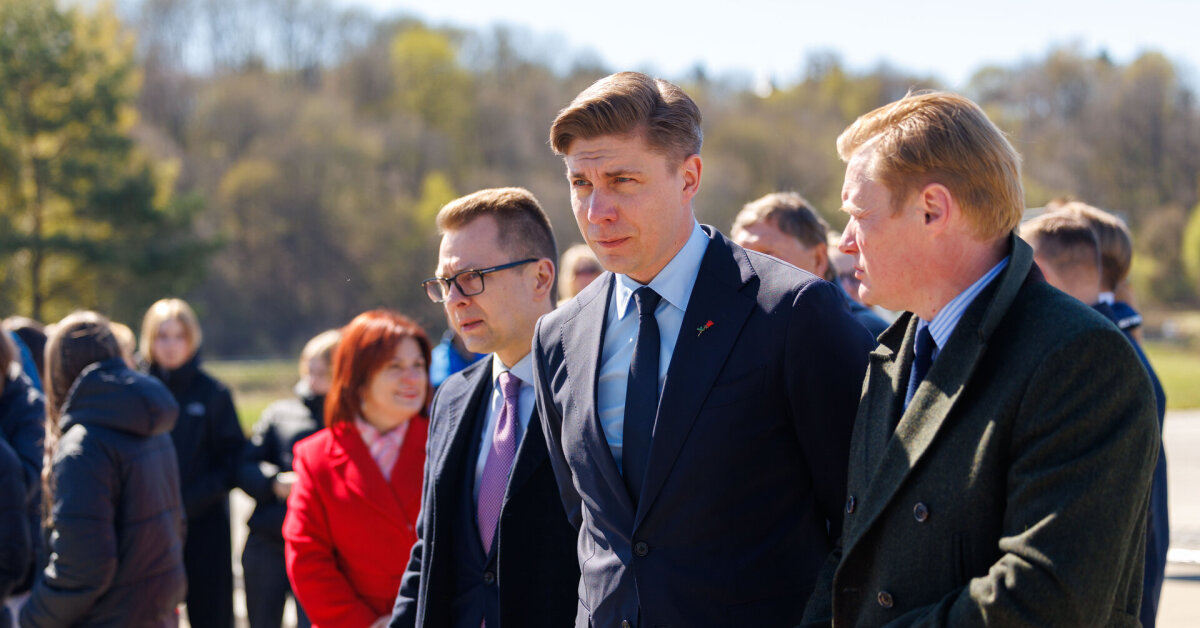
Lithuanian Social Democrats Finalize Strategic Realignment Amid Internal Tension
The atmosphere following the recent strategic meetings of the Lithuanian Social Democratic Party (LSDP) can best be described as one of heavy, exhausted silence. After a period of intense negotiation and internal maneuvering, party members emerged from their sessions having finalized a new political arrangement, though the process has left many within the organization visibly drained.
This realignment comes at a critical juncture for the LSDP, which has been navigating significant leadership transitions and shifting political tides. While the party has characterized the recent shifts as “planned,” the somber mood of the delegates suggests that the process of redrawing the party’s internal and external coalition maps has been fraught with complexity and political friction.
As the party prepares for its next phase of governance and influence, the focus remains on how this new configuration will impact Lithuania’s broader political landscape. The decisions made in these recent sessions are expected to set the stage for the party’s role in upcoming coalition negotiations and its ability to project a unified front in the Seimas.
The Sinkevičius Transition: From Municipal Leadership to Prime Ministerial Speculation
At the heart of the current political discourse is Mindaugas Sinkevičius, who was elected as the leader of the LSDP on May 1, 2026. Since his ascension to leadership, speculation has intensified regarding his potential move from municipal governance to national leadership. A central question currently facing the party and political observers alike is whether Sinkevičius will transition from his current role as a mayor to a bid for the office of Prime Minister.

This potential shift represents a significant strategic gamble for the LSDP. A transition from a mayoral post to the Prime Minister’s office would require a delicate balancing act, ensuring that the party maintains its local strongholds while simultaneously building the national momentum necessary to lead a government coalition. The discussions surrounding Sinkevičius’s future suggest that the party is actively weighing the benefits of a national leadership surge against the risks of leaving a municipal seat vacant or vulnerable.
The prospect of Sinkevičius leading the country has become a focal point for both supporters and critics. For the LSDP, his potential elevation could provide a fresh, executive-tested face for their national platform. However, the internal discussions regarding “Plan B and C” indicate that the party leadership is acutely aware of the volatility of such a move and is preparing multiple contingencies to manage the fallout should the primary leadership strategy encounter resistance.
Internal Restructuring and the Role of Inga Ruginienė
The party’s realignment is not limited to its external coalition ambitions; it also involves significant internal personnel shifts. Reports from within the party suggest that the new strategic direction involves more than just a change in coalition partners, extending to a restructuring of key internal roles.
Specifically, discussions have surfaced regarding the future role of Inga Ruginienė within the party hierarchy. The maneuvering suggests that Sinkevičius may be looking to implement a broader organizational refresh to align the party’s human capital with its new strategic objectives. While the exact nature of these personnel changes remains a subject of internal debate, the movement indicates a desire to consolidate leadership and ensure that the party’s core team is fully committed to the new direction.
These internal adjustments are often the most sensitive aspects of political reorganization. For the LSDP to successfully implement its new “dėlionė”—or political arrangement—it must manage these changes without alienating the various factions that constitute the party’s base. The exhaustion noted among members following the recent meetings may be a reflection of the intense negotiations required to harmonize these individual ambitions with the collective needs of the party.
Divergent Views: Stability vs. Strategic Shift
Despite the move toward a new arrangement, the LSDP is not a monolith, and significant dissent has emerged regarding the necessity of these changes. While the leadership pushes for a proactive realignment, some veteran members argue that the party should prioritize stability over radical shifts in coalition or personnel.
Juozas Olekas, a prominent figure within the party, has expressed skepticism regarding the need for these changes. Olekas has suggested that there is no inherent necessity for the party to alter its current coalition dynamics, noting that differing opinions on such matters are a natural part of any political organization. His stance highlights a growing divide between the “new guard” under Sinkevičius, which appears focused on rapid strategic repositioning, and more traditional elements of the party that favor a more cautious, incremental approach.
This tension between the drive for renewal and the desire for continuity is a common theme in parties undergoing leadership changes. For the LSDP, the challenge will be to integrate the vision of the new leadership without fracturing the party’s established foundations. The success of the current “planned” realignment will likely depend on whether the party can translate its new strategic map into a cohesive and functional political reality.
Key Takeaways: The LSDP Realignment
- Leadership Transition: Mindaugas Sinkevičius, elected leader in May 2026, is at the center of discussions regarding a potential move from municipal leadership to the Prime Minister’s office.
- Strategic Contingencies: The party is reportedly preparing multiple contingency plans (often referred to as “Plan B and C”) to navigate upcoming political challenges.
- Internal Restructuring: The realignment includes potential changes to key party roles, including discussions surrounding Inga Ruginienė.
- Internal Dissent: Not all members agree with the shift; figures like Juozas Olekas have questioned the necessity of changing the party’s coalition stance.
- Atmosphere of Fatigue: Recent high-level meetings have reportedly left party members exhausted, reflecting the intensity of the negotiations.
As the LSDP moves forward, all eyes will be on the upcoming party council meetings, where these strategic shifts and personnel changes are expected to be formally addressed. The decisions made in the coming weeks will determine whether this realignment provides the party with a clear path to national leadership or serves as a source of prolonged internal friction.
The next major checkpoint will be the official deliberations of the LSDP council, where the party’s new leadership structure and coalition strategy are expected to be finalized.
Do you think the LSDP’s strategic shift will strengthen its position in the next government? Share your thoughts in the comments below and share this report with your network.
Related reading
- Top 14 – Guide de l’intersaison de Montpellier : de l’access-match à la finale en deux ans …
- I’m OK With My Husband’s Cross-Dressing Fantasy. I Just Wish We Could Do Something Else Every Now and Then. He Refuses.
- NHL Trade Shakeup Looms: Blue Jackets at Center of Potential Massive Deal (archynewsy.com)