
Latvia’s LMT Group Reports Strong Growth: Revenue Surges 13.5% in Latest Financial Update
RIGA — Latvia’s leading telecommunications provider, Latvijas Mobilais Telefons (LMT), has delivered a robust financial performance in its latest reporting period, with the company’s group revenue climbing 13.5% year-over-year. The results underscore LMT’s expanding role not only as a national infrastructure backbone but too as a key player in Latvia’s digital economy and broader European tech ecosystem.
For a company that has long been synonymous with mobile connectivity in Latvia, the latest figures reflect a strategic pivot toward diversification—spanning cybersecurity, cloud services and next-generation network technologies. With over 1.5 million customer connections and a growing portfolio of enterprise solutions, LMT is positioning itself as more than just a telecom operator. It’s now a critical enabler of Latvia’s digital sovereignty, national security, and economic resilience.
Dr. Olivia Bennett, Chief Editor of the Business section at World Today Journal, notes that LMT’s growth trajectory is particularly noteworthy given the broader economic headwinds facing the Baltic region. “In an era of geopolitical uncertainty and rapid technological change, LMT’s ability to expand its revenue while maintaining a strong balance sheet speaks to its operational discipline and strategic foresight,” she says. “This isn’t just about mobile phones anymore—it’s about building the digital infrastructure that will define Latvia’s future.”
Financial Performance: A Closer Look at the Numbers
According to verified financial disclosures, LMT Group’s revenue for the first half of 2026 reached €173.5 million, up from €153 million in the same period of 2025—a 13.5% increase. This follows a pattern of steady growth: in the first half of 2025, the company reported an 8.5% year-over-year revenue increase, signaling accelerating momentum.
EBITDA (Earnings Before Interest, Taxes, Depreciation, and Amortization) also saw a healthy rise, climbing 9.1% to €50.5 million in the first half of 2026, compared to €46.3 million in the same period of 2025. These figures align with LMT’s long-term strategic goal of achieving €500 million in annual revenue within the next five years, a target first announced in mid-2025.
The company’s financial health is further supported by its strong balance sheet. As of the end of 2023, LMT reported total assets of €352.7 million and a net income of €34.9 million, according to its publicly available financial records. This financial stability has allowed LMT to invest aggressively in network expansion, 5G deployment, and digital innovation—key pillars of its growth strategy.
Beyond Telecommunications: LMT’s Expanding Role in Latvia’s Digital Future
While LMT’s core business remains mobile telecommunications—offering GSM, UMTS, and LTE services across Latvia—the company has increasingly diversified into high-value sectors. These include:
- Cybersecurity: LMT has positioned itself as a national leader in digital security, providing solutions for both public and private sector clients. Its cybersecurity division has become a critical component of Latvia’s broader national security strategy, particularly in light of regional geopolitical tensions.
- Cloud and Data Services: The company offers cloud infrastructure and data management solutions tailored to Latvian businesses, helping local enterprises modernize their operations and comply with EU data protection regulations.
- Smart City and IoT Solutions: LMT is actively involved in Latvia’s smart city initiatives, deploying Internet of Things (IoT) technologies to improve urban infrastructure, energy efficiency, and public services.
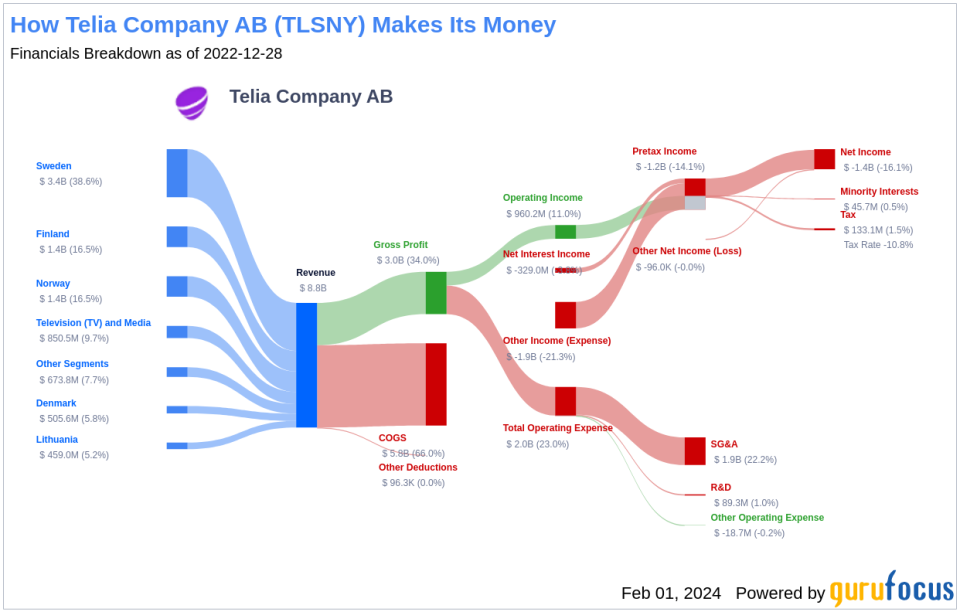
- Defense and Critical Infrastructure: As a state-backed entity (51% owned by the Republic of Latvia, with the remaining 49% held by Sweden’s Telia Company), LMT plays a vital role in maintaining secure and resilient communication networks for Latvia’s defense and emergency services.
“LMT is no longer just a telecom company,” says Valdis Jalinskis, Head of Public Relations at LMT, in a recent statement. “We are a national technology and innovation hub, developing solutions that are essential for everyday communication, economic competitiveness, and national security. Our work extends beyond Latvia’s borders, as we actively participate in European and global technology development processes.”
Ownership and Strategic Direction
LMT’s ownership structure reflects its dual role as both a commercial enterprise and a strategic national asset. The Latvian government holds a 51% majority stake, ensuring that the company’s operations align with national priorities, particularly in areas such as digital infrastructure, cybersecurity, and emergency communications. The remaining 49% is owned by Telia Company, a Swedish multinational telecommunications provider with a strong presence across the Nordic and Baltic regions.

This partnership has enabled LMT to leverage Telia’s expertise in network technology and digital services while maintaining its focus on Latvia’s unique needs. The company’s headquarters are located at Ropažu iela 6, Riga, LV-1039, where it employs over 730 people, according to its 2023 annual report.
Looking ahead, LMT’s strategic priorities include:
- 5G Expansion: Accelerating the rollout of 5G networks across Latvia to support faster, more reliable connectivity for consumers and businesses.
- Digital Sovereignty: Strengthening Latvia’s digital independence by reducing reliance on foreign technology providers and developing homegrown solutions.
- Innovation and R&D: Investing in research and development to stay ahead of technological trends, particularly in areas such as artificial intelligence, edge computing, and quantum-resistant encryption.
- Sustainability: Aligning its operations with Latvia’s climate goals by improving energy efficiency in its network infrastructure and reducing its carbon footprint.
Market Position and Competitive Landscape
LMT operates in a competitive telecommunications market in Latvia, facing rivals such as Tet (formerly Lattelecom) and Tele2 Latvia. However, its strong brand recognition, extensive network coverage, and government backing give it a unique advantage. The company’s market share in mobile telecommunications remains dominant, with over 1.5 million customer connections—a figure that includes both individual and business clients.
In recent years, LMT has also expanded its retail and logistics operations through its subsidiary, LMT Retail & Logistics SIA. This division manages the company’s physical stores and distribution channels, ensuring that customers have access to the latest devices and services.
One of the most significant developments in LMT’s recent history is the proposed acquisition of Tet, Latvia’s largest fixed-line telecommunications provider. While the deal’s finalization has faced delays due to regulatory scrutiny, it is widely seen as a strategic move to consolidate Latvia’s telecom sector and create a unified national champion. The acquisition is valued at €550–600 million, according to industry estimates.
What This Growth Means for Latvia’s Economy
LMT’s financial performance is more than just a corporate success story—it is a reflection of Latvia’s broader economic ambitions. As the country seeks to transition from a manufacturing and logistics-based economy to a knowledge-driven digital hub, companies like LMT are playing a pivotal role in this transformation.
The telecom sector is a critical enabler of Latvia’s digital economy, supporting everything from e-commerce and fintech to remote work and digital government services. LMT’s investments in 5G, cybersecurity, and cloud infrastructure are helping to create the conditions for innovation and entrepreneurship, attracting both domestic and foreign investment.
LMT’s growth has positive ripple effects across the Latvian economy. The company’s expanding operations have led to job creation, both directly within LMT and indirectly through its supply chain and ecosystem of partners. Its commitment to R&D is also fostering a culture of innovation, with potential long-term benefits for Latvia’s tech sector.
For consumers, LMT’s growth translates into better services, more competitive pricing, and access to cutting-edge technologies. The company’s focus on customer experience—evidenced by its 24/7 customer support and extensive network of retail centers—ensures that Latvians remain connected in an increasingly digital world.
Key Takeaways
- Revenue Growth: LMT Group’s revenue increased by 13.5% in the first half of 2026, reaching €173.5 million, up from €153 million in the same period of 2025.
- EBITDA Performance: EBITDA rose by 9.1%, reaching €50.5 million, reflecting strong operational efficiency.
- Strategic Goals: LMT aims to achieve €500 million in annual revenue within the next five years, driven by expansion in cybersecurity, cloud services, and 5G.
- Ownership Structure: The company is 51% owned by the Latvian government and 49% by Telia Company, combining national strategic interests with international expertise.
- Market Position: With over 1.5 million customer connections, LMT remains Latvia’s leading mobile telecommunications provider, while also expanding into high-value digital services.
- National Impact: LMT’s growth supports Latvia’s digital transformation, economic resilience, and national security, positioning the country as a leader in the Baltic tech ecosystem.
What’s Next for LMT?
As LMT continues to execute its growth strategy, several key milestones lie ahead:
- Finalizing the Tet Acquisition: The proposed acquisition of Tet remains a top priority, with regulatory approvals expected to be a focal point in the coming months. If successful, the deal would create a unified telecom giant capable of competing on a European scale.
- 5G Network Expansion: LMT is expected to accelerate its 5G rollout, with a focus on improving coverage in rural areas and enhancing network capacity in urban centers.
- Innovation Investments: The company is likely to increase its investments in R&D, particularly in areas such as artificial intelligence, edge computing, and quantum-resistant encryption, to stay ahead of technological trends.
- Sustainability Initiatives: LMT has committed to reducing its carbon footprint and improving energy efficiency in its network operations, aligning with Latvia’s climate goals.
The next major financial update from LMT is expected in early 2027, when the company will release its full-year 2026 results. Until then, stakeholders will be closely watching its progress on the Tet acquisition, 5G expansion, and digital innovation initiatives.
For readers interested in staying updated on LMT’s developments, the company’s official website (www.lmt.lv) provides the latest news, financial reports, and service offerings. The Latvian Investment and Development Agency (www.liaa.gov.lv) offers insights into Latvia’s broader digital economy and investment opportunities.
As Latvia continues to navigate the challenges and opportunities of the digital age, LMT’s growth serves as a powerful example of how strategic investment, innovation, and public-private partnerships can drive economic progress. The company’s success is not just a win for its shareholders—it is a win for Latvia’s future.
What do you think about LMT’s growth and its impact on Latvia’s digital economy? Share your thoughts in the comments below and join the conversation on social media using #LMTGrowth #DigitalLatvia.