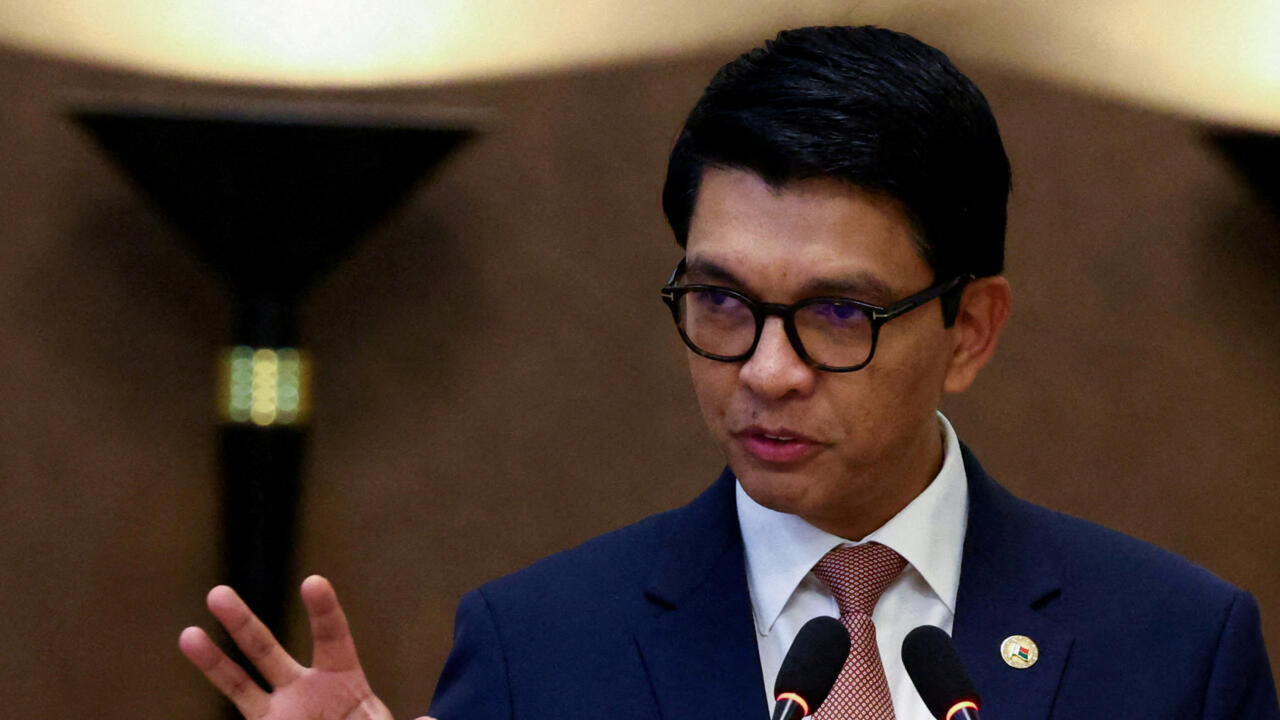
Madagascar on the Brink: Protests Intensify, President Faces Mounting Pressure
(Image: Demonstrators gather in Antananarivo, Madagascar. Caption: © France 24)
madagascar is currently navigating a period of intense political unrest, as widespread protests challenge the leadership of President Andry Rajoelina. The situation, marked by defiant military actions and escalating public demands, has brought the nation to a critical juncture. Here’s a thorough look at the unfolding events, the key players, and what you need to know.
A Nation Demanding Change
For weeks, Madagascar has been gripped by demonstrations fueled by economic hardship and accusations of government overreach. These protests, largely driven by the Gen Z movement, initially focused on controversial electoral laws but quickly broadened to encompass broader concerns about the country’s political and economic future. The atmosphere in the capital, Antananarivo, has shifted from demonstration to a palpable expectation of change.
Earlier this week, a remarkable turn occurred when elements of the security forces – including soldiers and gendarmerie officers - publicly sided with the protesters. this open defiance of orders represents a significant escalation, signaling a fracturing within the state apparatus. Soldiers from the CAPSAT unit, notorious for its role in the 2009 coup, declared they would “refuse orders to shoot” at demonstrators.
Moreover, officers from the gendarmerie, previously accused of heavy-handed tactics, admitted to “faults and excesses” in their response to the protests via a video statement. This acknowledgement of wrongdoing is a rare occurrence in Madagascar’s frequently enough-opaque political landscape.
The Human Cost and Official Responses
The unrest has unfortunately resulted in loss of life. The united Nations reports at least 22 fatalities in the initial days of the protests, stemming from clashes with security forces, as well as violence perpetrated by criminal elements. However, President Rajoelina disputes this figure, claiming only 12 deaths occurred, characterizing the victims as “looters and vandals.”
To address the growing crisis, Rajoelina took several steps:
* Government Reshuffle: He dissolved his entire government last month, a move intended to appease protesters.
* Senate Leadership Change: The Senate dismissed its president, Richard Ravalomanana, a former gendarmerie general, fulfilling another key demand of the demonstrators.
* Pardons Granted: A decree issued Monday pardoned eight individuals, including Paul Maillot Rafanoharana, a dual French-Malagasy national previously sentenced to 20 years for allegedly plotting a coup.
What Protesters Are Saying
the mood among protesters remains resolute. They are looking for more than just concessions; they are demanding fundamental change.
“We hope that he will apologise and genuinely announce his resignation,” stated Finaritra Manitra Andrianamelasoa, a 24-year-old law student. The call for Rajoelina’s resignation is central to the protesters’ demands.
Another protester, 19-year-old Steven Rasolonjanahary, emphasized the need for accountability: ”We already expect him to offer his apologies to all Malagasy citizens, as we have had many casualties, relatives, who have been injured during the protests.”
A History of Instability & Regional Concerns
Madagascar’s political history since gaining independence from France in 1960 has been turbulent. The nation has experienced numerous coups and periods of political instability,making this current crisis part of a larger pattern.
The African Union has expressed concern, urging all armed forces to “return to uphold their constitutional mandate, and to refrain from meddling in the political affairs of the country.” This external pressure underscores the regional implications of the ongoing unrest.
What’s Next?
As of today, President Rajoelina has addressed the nation, but the content of his speech and its reception will be crucial in determining the next phase of this crisis. You can expect continued scrutiny of his actions, both domestically and internationally. The situation remains fluid, and the future of Madagascar hangs in the balance.
This is a developing story, and we will continue to provide updates as they become available.
(Source: FRANCE 24 with AFP)