
In a stunning display of resilience and precision, Polish tennis player Maja Chwalinska has completed one of the most remarkable underdog stories in recent sporting history. By securing her place in the French Open final, the world number 114 has not only captured the imagination of the tennis world but has also rewritten the record books at Roland Garros.
Chwalinska’s journey to the final was cemented on Thursday, following a commanding straight-sets victory over Russia’s Diana Shnaider. The win marks a historic milestone, as Chwalinska becomes the first qualifier in the history of the French Open to advance to the championship match. Her achievement places her in an elite, near-mythic category of players who have navigated the grueling preliminary rounds of a Grand Slam to reach the ultimate stage.
This fairytale run is more than just a personal triumph for the Polish athlete; It’s a rare statistical anomaly in professional tennis. Chwalinska is now only the second qualifier in the history of all Grand Slam tournaments to reach a singles final, following the precedent set by Emma Raducanu during her extraordinary title run at the 2021 US Open.
A Historic Breakthrough at Roland Garros
The match against Diana Shnaider was a testament to Chwalinska’s tactical discipline and mental fortitude. Entering the match as a qualifier, Chwalinska faced the daunting task of maintaining momentum after already having played multiple high-stakes matches just to enter the main draw. Despite the physical toll often associated with qualifying, the Polish player appeared unfazed, dismantling Shnaider’s game with clinical efficiency.
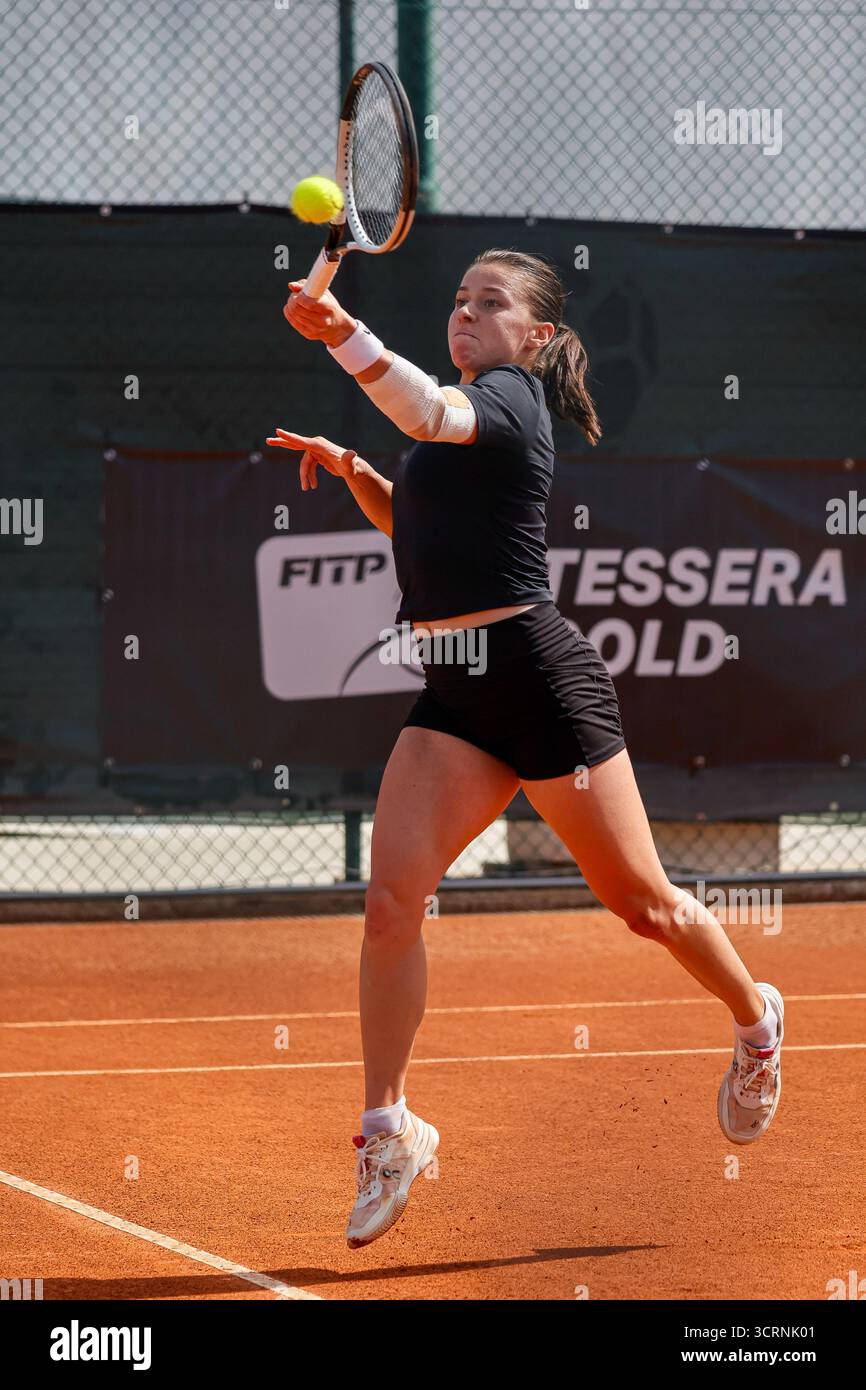
The straight-sets victory was characterized by Chwalinska’s ability to control the rallies on the red clay, a surface known for rewarding patience and heavy topspin. By neutralizing Shnaider’s aggressive play, Chwalinska demonstrated a level of composure that belied her ranking, proving that the gap between the top tier of the WTA and rising competitors can be bridged through exceptional form and strategic execution.
For Chwalinska, the victory signifies a transition from a dark horse to a legitimate contender on the global stage. Her ability to navigate the high-pressure environment of Roland Garros—a tournament that often tests the physical limits of even the most seasoned veterans—underscores a significant leap in her professional development.
Breaking the Qualifier Barrier
To understand the magnitude of Chwalinska’s achievement, the sheer difficulty of the qualifying process. In Grand Slam tennis, qualifiers must win three consecutive matches against high-caliber opponents simply to earn a spot in the main draw. By the time a qualifier reaches the later stages of a tournament, they have often played significantly more tennis than the seeded players who have received direct entry.
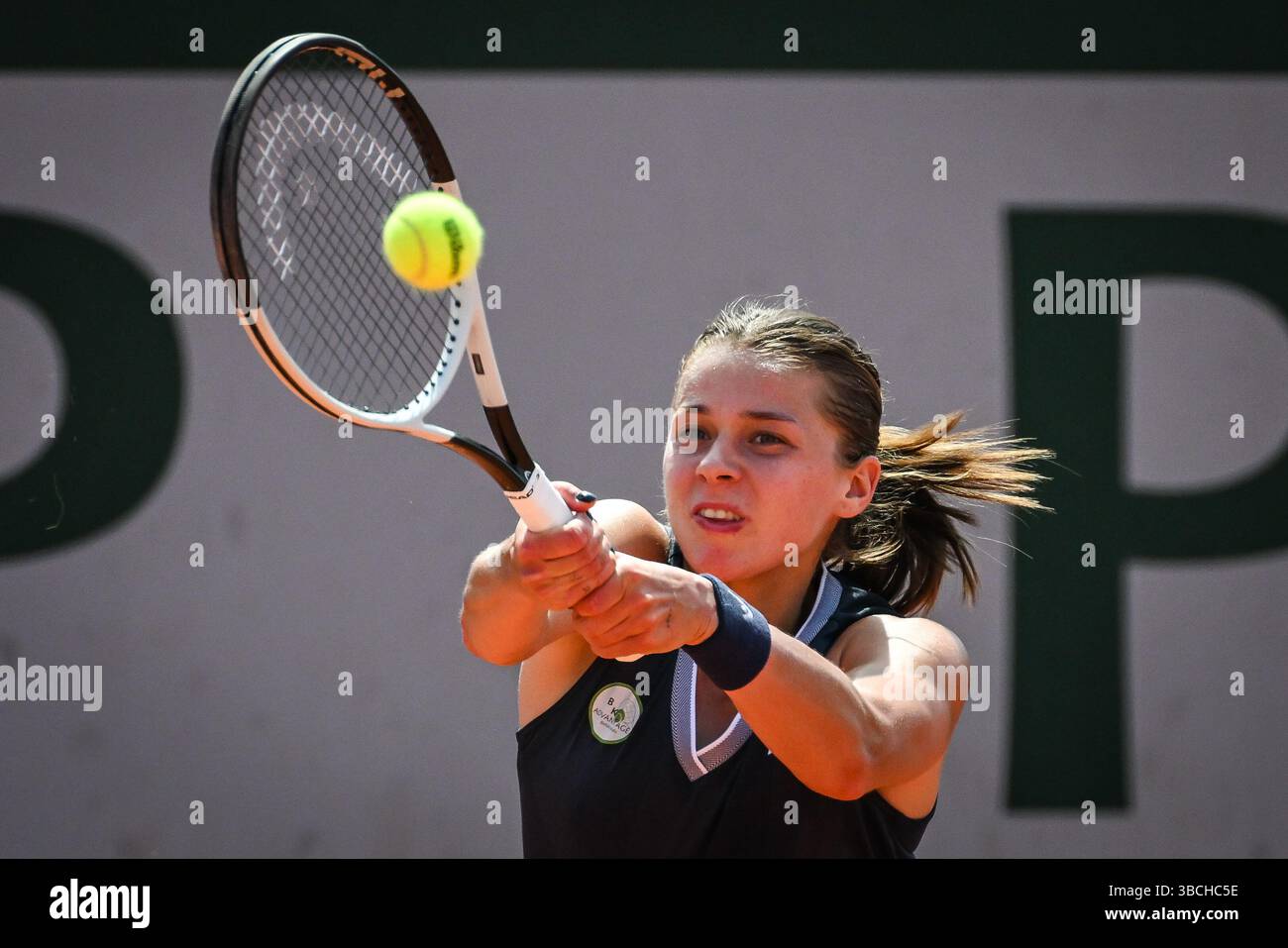
The physical and psychological fatigue associated with this path is immense. Most players who successfully navigate qualifying aim to reach the second or third round; reaching a Grand Slam final is a feat that defies standard athletic expectations. Chwalinska’s run highlights a shift in the competitive landscape, where players outside the top 100 are increasingly finding the tools to disrupt the established hierarchy.
This breakthrough follows in the footsteps of Emma Raducanu, whose 2021 US Open victory remains the gold standard for qualifier success. However, while Raducanu’s run was on the hard courts of New York, Chwalinska’s ascent on the demanding clay of Paris adds a new dimension to the narrative of the “qualifier’s fairytale,” proving that such runs are possible even on the most physically taxing surfaces in the sport.
The Statistical Rarity of the Qualifier Run
- First Qualifier in French Open History: No player entering through the qualifying rounds had ever reached the final at Roland Garros prior to Chwalinska.
- Grand Slam Context: Chwalinska is only the second qualifier in the history of the four major tournaments to reach a singles final.
- Ranking Jump: Entering the tournament as world number 114, her run represents one of the most significant upward movements in the WTA rankings this season.
The Challenges of the Clay Court Surface
The French Open is widely regarded as the most physically demanding Grand Slam due to the nature of the clay courts. Unlike hard courts, which favor speed and power, clay requires a specialized skill set involving sliding, heavy spin, and prolonged baseline exchanges. The surface slows down the ball, often extending rallies and forcing players to maintain intense focus over longer periods.
For a player like Chwalinska, who had to fight through the qualifying rounds, the clay court demands a unique level of aerobic capacity. The ability to slide into shots and recover quickly is essential, and her performance against Shnaider suggested a mastery of these nuances. Her victory was not merely a product of power, but of a sophisticated understanding of court geometry and ball rotation.
The technical requirements of clay-court tennis often act as a barrier to entry for players who lack extensive experience on the surface. Chwalinska’s ability to thrive under these conditions suggests that her tactical preparation and physical conditioning are at an elite level, preparing her for the final hurdle of the tournament.
A New Era for Polish Tennis
Chwalinska’s success adds another chapter to the burgeoning history of Polish tennis. Following the global dominance of figures like Iga Świątek, the emergence of new talents from Poland has signaled to the world that the nation is becoming a powerhouse in the women’s game. While Chwalinska is at a different stage of her career, her presence in a Grand Slam final provides inspiration for the next generation of Polish athletes.

The rise of players from non-traditional tennis strongholds continues to democratize the sport, proving that excellence can emerge from any corner of the professional circuit. Chwalinska’s journey from the qualifying courts to the bright lights of the Roland Garros center court is a testament to the depth of talent currently circulating in the WTA.
Key Takeaways: Maja Chwalinska’s Historic Run
| Milestone | Significance |
|---|---|
| First French Open Qualifier Finalist | Breaks a long-standing record at Roland Garros. |
| Only the second qualifier in GS history to reach a final (after Raducanu). | |
| Match Result | Defeated Diana Shnaider in straight sets. |
| World Ranking | Achieved as the world number 114. |
As the tennis community prepares for the championship match, all eyes will be on Chwalinska to see if she can complete the ultimate underdog journey. Whether she secures the title or not, her run has already secured her place in the annals of tennis history.
Next Update: Official scheduling and broadcast details for the French Open women’s singles final are expected to be released by the tournament organizers following the conclusion of the semifinals.
What do you think of Maja Chwalinska’s historic run? Can she take home the title? Share your thoughts in the comments below and share this story with your fellow tennis fans.
Keep reading