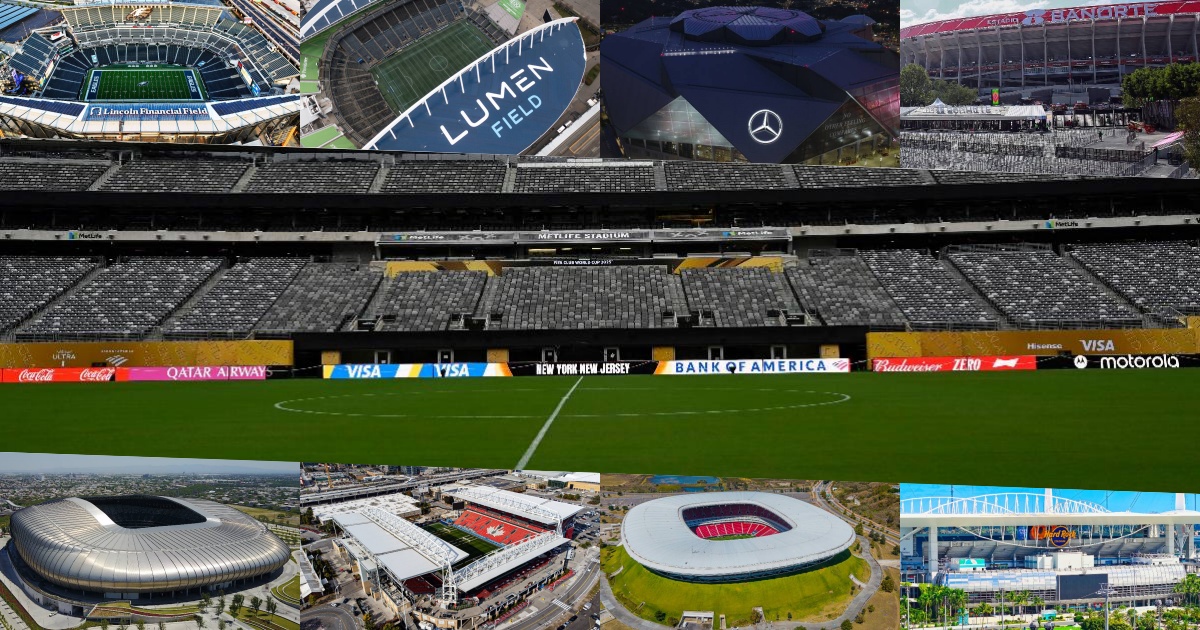
The 2026 FIFA World Cup, set to be the largest tournament in football history, faces significant logistical and safety challenges regarding extreme weather conditions across its host cities. With matches scheduled for June and July 2026 across North America, organizers must account for severe thunderstorms, high humidity, and heatwaves that historically impact regions including Dallas, Houston, Miami, and Atlanta. According to FIFA’s official host city selection, these venues are critical to the tournament’s infrastructure, yet they remain susceptible to the volatile summer climate of the United States and Mexico.
As the Sports Editor for World Today Journal, I have followed the development of this tournament since the initial bid phase. Ensuring player safety and fan experience in cities like Kansas City, Boston, and the New Jersey metropolitan area requires rigorous adherence to weather monitoring protocols. FIFA has established specific tournament regulations that mandate cooling breaks and potential match rescheduling if environmental conditions exceed safety thresholds for athletes and spectators.
Climate Risks in North American Host Cities
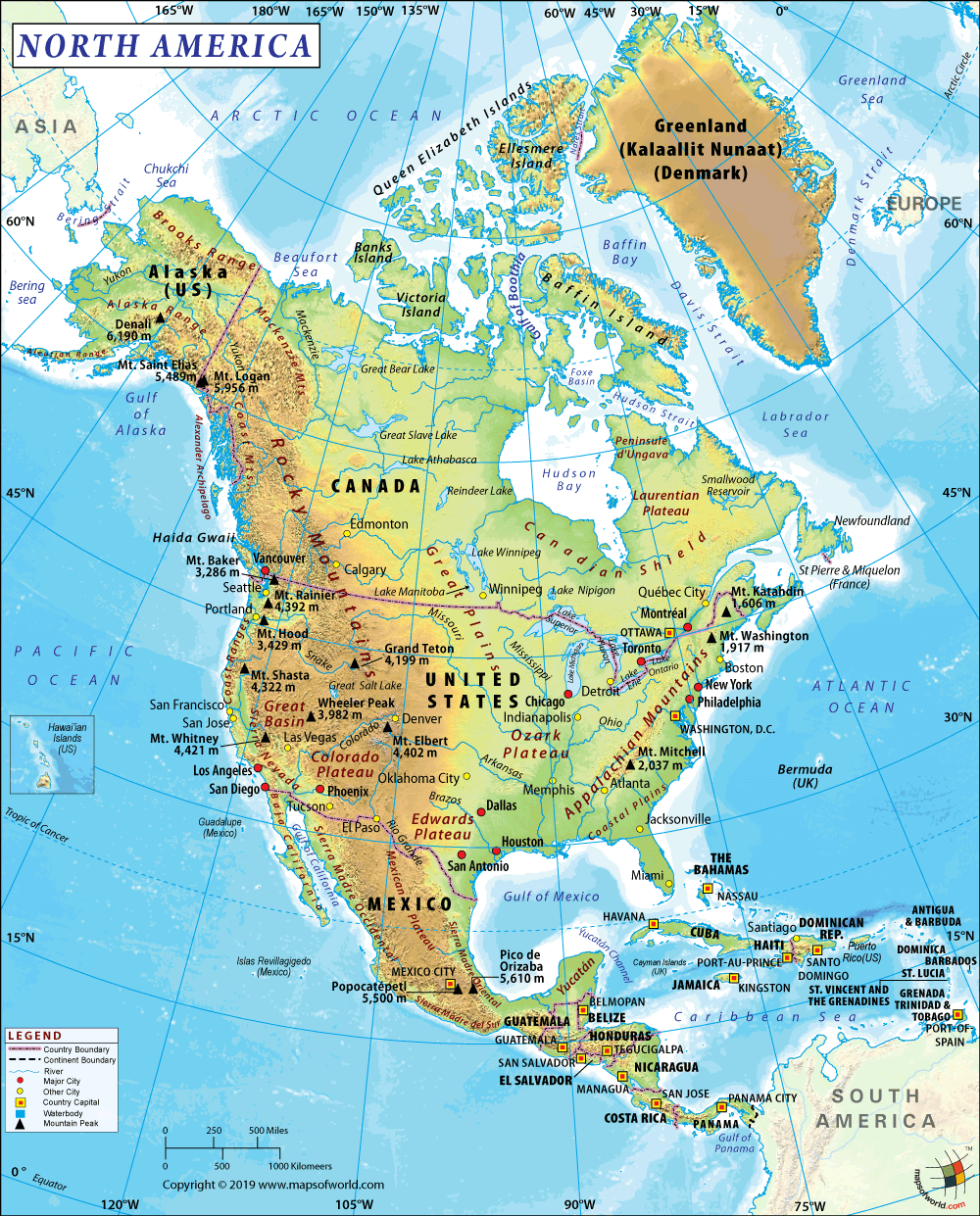
The geographic diversity of the 2026 World Cup host cities introduces a wide spectrum of meteorological risks. While northern cities like Boston may contend with sudden, intense summer thunderstorms, southern locations are primarily concerned with extreme heat indices. In places like Houston and Dallas, the National Weather Service frequently issues heat advisories during the summer months, which directly influence the planning of outdoor athletic events. The physical toll of competing in high-humidity environments can lead to rapid dehydration and heat-related illness among players.

Furthermore, Mexico City presents a unique set of challenges due to its high altitude and common afternoon rainfall patterns during the summer season. The Servicio Meteorológico Nacional monitors these patterns closely to provide data that informs the scheduling of international sporting events. Because the tournament spans such a vast area, FIFA’s logistics team must coordinate with local meteorological agencies in every host jurisdiction to maintain a consistent safety standard across all 16 venues.
Infrastructure and Safety Protocols
To mitigate the risks posed by volatile weather, several host stadiums are equipped with retractable roofs, including AT&T Stadium in Arlington (near Dallas) and NRG Stadium in Houston. These structures allow for a controlled environment, ensuring that high temperatures or heavy precipitation do not force the cancellation of matches. According to FIFA’s venue information, the ability to transition to an indoor setting is a key component of the hosting requirements for stadiums located in high-risk zones.

However, indoor environments do not eliminate all risks. The transition from high-heat outdoor conditions to air-conditioned stadiums can impact player physiology, and the management of large crowds during sudden severe weather events remains a primary concern for local law enforcement and emergency services. Emergency response plans, which are vetted by local municipalities and federal safety agencies, include protocols for rapid venue evacuation and the provision of cooling stations for fans in transit areas.
How FIFA Manages Environmental Disruptions
FIFA’s policy regarding weather-related disruptions is governed by the Regulations for the FIFA World Cup 2026. These regulations grant the match commissioner the authority to delay, suspend, or abandon a match if weather conditions are deemed hazardous. The decision-making process involves real-time consultation with local weather experts and the stadium’s safety officer.
The following table summarizes the primary weather concerns for select host cities based on historical climate data from the National Centers for Environmental Information:
| Host City | Primary Weather Risk | Mitigation Strategy |
|---|---|---|
| Dallas/Houston | Extreme Heat/Humidity | Retractable Roofs/Cooling Breaks |
| Mexico City | High Altitude/Afternoon Storms | Venue Scheduling/Medical Staffing |
| Miami | Tropical Storms/Humidity | Stadium Drainage/Emergency Protocols |
| New Jersey | Severe Thunderstorms | Advanced Weather Monitoring |
Looking Ahead to the 2026 Tournament
The coordination between international football governing bodies and local weather authorities continues as the tournament date approaches. The next major update regarding tournament logistics is expected following the upcoming FIFA Council meetings, where venue-specific operational plans will be finalized. Stakeholders are encouraged to monitor the official FIFA 2026 portal for the most recent updates on stadium operations and safety advisories.
As we move closer to the opening match, the focus remains on balancing the spectacle of the world’s most popular sport with the realities of a changing global climate. If you have questions about the upcoming matches or the safety measures in your local host city, please share your thoughts in the comments section below. We will continue to track these developments as more information becomes available.
Keep reading
- Taiwan’s “Oil Not For You” Controversy: Selective Law Enforcement or Legal Accountability?
- Controversy Over Public Book Box in Lyon’s Point-du-Jour
- 8 Most Luxurious Pet-Friendly Hotels in North America (archynewsy.com)
- McDonald’s Ohio Ratings: Significant Quality Gaps Between Cities (world-today-news.com)