
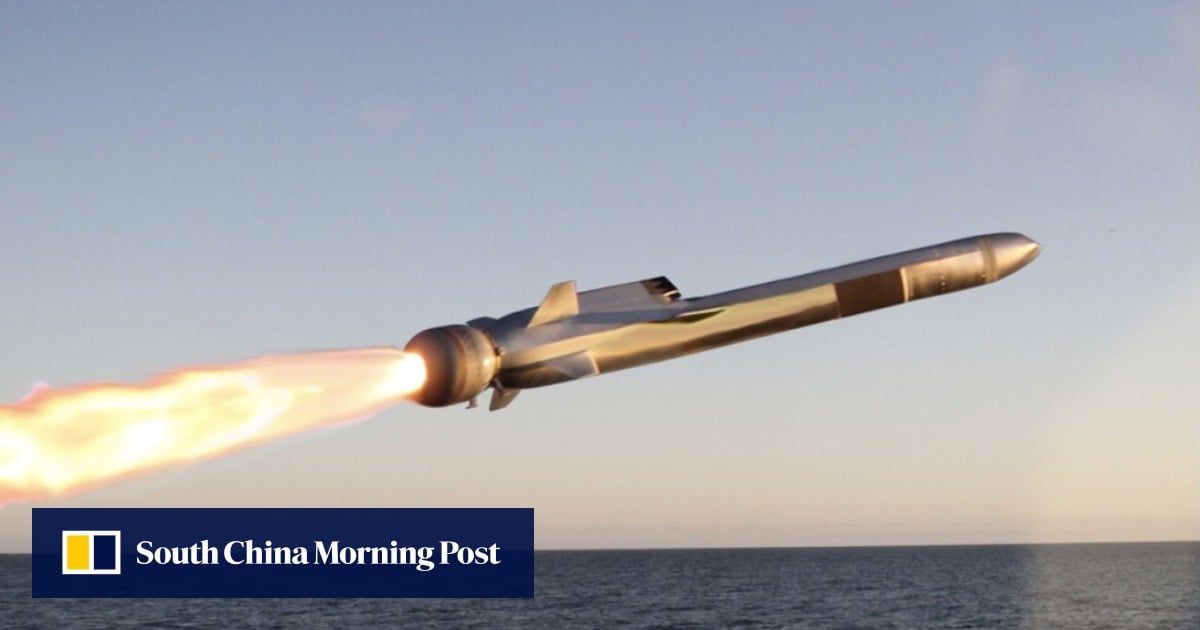
Malaysia is weighing legal recourse after the Norwegian government blocked the export of Naval Strike Missiles (NSM) intended for the Royal Malaysian Navy, marking a critical escalation in a procurement dispute that threatens to further derail one of the nation’s most contentious defense initiatives.
The decision to halt the delivery of the high-precision missiles has created a diplomatic and strategic impasse between Kuala Lumpur and Oslo. The missiles, manufactured by Kongsberg Defence and Aerospace, were a cornerstone of the armament package for Malaysia’s long-delayed Littoral Combat Ship (LCS) program, a project that has already become synonymous with procurement failures and systemic delays.
Government spokesperson Fahmi Fadzil confirmed that the Malaysian administration is seeking further clarifications from Norwegian authorities regarding the block. The situation has reached the highest levels of government, with Prime Minister Anwar Ibrahim raising the matter directly with his Norwegian counterparts to resolve the impasse and ensure the delivery of the contracted hardware.
The Strategic Impact of the Missile Block
The Naval Strike Missile (NSM) is a sophisticated, fifth-generation anti-ship missile designed for high survivability and precision. For the Royal Malaysian Navy, the NSM was intended to provide a critical capability gap fill, allowing the LCS fleet to engage surface targets with stealth and accuracy in contested maritime environments.

The blocking of these exports is not merely a contractual failure but a strategic setback. Without the integrated missile systems, the LCS vessels—even if completed—would lack their primary offensive punch, effectively rendering them incomplete in terms of their operational mission profiles. This development puts additional pressure on Malaysia’s maritime security strategy, particularly in the South China Sea, where the ability to project power and deter incursions is paramount.
Industry analysts suggest that such export blocks are typically tied to government-level policy shifts, human rights concerns, or strategic alignment changes within the exporting nation. However, the specific reasoning behind Norway’s decision remains undisclosed, leaving Malaysia to navigate a complex intersection of international law and defense diplomacy.
A ‘Fresh Blow’ to the Troubled LCS Program
The missile dispute arrives as a “fresh blow” to the Littoral Combat Ship program, which has been plagued by mismanagement, cost overruns and failure to meet delivery timelines. The program was designed to modernize the Royal Malaysian Navy’s fleet with agile, stealthy ships capable of operating in shallow coastal waters.
However, the project has been under intense scrutiny by the Malaysian government and public auditors. The LCS program has faced years of delays, with the first vessels failing to be delivered according to the original schedule. The failure to secure the NSM missiles adds a layer of technical incompleteness to a project already struggling with structural and financial viability.
From a business and economic perspective, the LCS project represents a significant capital outlay. The potential for legal action against Norway indicates that Malaysia is now moving from a posture of diplomatic negotiation to one of legal enforcement to protect its financial investments and national security interests.
Legal Recourse and Diplomatic Maneuvering
Malaysia’s consideration of legal action suggests a willingness to challenge the export block through international arbitration or contractual litigation. Because defense contracts of this magnitude typically include stringent clauses regarding delivery and government-to-government (G2G) guarantees, the legal battle would likely center on whether Norway’s block constitutes a breach of contract or a legitimate exercise of national sovereignty over arms exports.
Prime Minister Anwar Ibrahim’s direct involvement underscores the urgency of the matter. In the realm of global defense procurement, a “blocked” status can often lead to a total collapse of the contract, forcing the buyer to seek alternative suppliers. However, finding a comparable replacement for the NSM on short notice would likely involve significant additional costs and lengthy integration delays, as the LCS ships were specifically designed to house Kongsberg’s systems.
The Malaysian government’s strategy appears to be two-pronged: maintaining a diplomatic channel to secure a reversal of the decision while simultaneously preparing a legal framework to recover costs or compel delivery should diplomacy fail.
Key Stakeholders and Their Positions
- Royal Malaysian Navy: The end-user, facing a capability gap in its littoral combat strategy.
- Kongsberg Defence and Aerospace: The manufacturer, caught between a paying customer and the export regulations of its home government.
- Government of Norway: The regulating authority that has blocked the export license.
- Malaysian Government: The procuring entity seeking both the hardware and a resolution to the diplomatic friction.
Broader Implications for Defense Procurement
This dispute highlights the inherent risks associated with high-tech defense procurement, where the buyer is entirely dependent on the political will of the seller’s government. Export licenses are not permanent guarantees; they are subject to the shifting geopolitical priorities of the exporting nation.
For other nations in Southeast Asia, the Malaysia-Norway row serves as a cautionary tale regarding “single-source” dependency for critical weapon systems. It underscores the growing trend of “defense sovereignty,” where nations seek to diversify their suppliers or invest in domestic production to avoid being held hostage by the foreign policy shifts of a single partner.
the incident may impact Norway’s reputation as a reliable defense partner in the Indo-Pacific region. As Western nations seek to strengthen ties with ASEAN members to counterbalance regional hegemony, sudden blocks on critical military hardware can create mistrust and push buyers toward alternative markets, including those in East Asia or Europe.
The resolution of this case will likely set a precedent for how defense contracts are structured in the region, with a potential shift toward more robust indemnity clauses and diversified armament strategies to mitigate the risk of government-imposed export blocks.
The next critical checkpoint will be the official response from the Norwegian government following the clarifications sought by the Malaysian administration. Whether this leads to a diplomatic compromise or a formal legal filing will determine the future of the LCS program’s offensive capabilities.
Do you believe defense procurement should rely more on domestic production to avoid these diplomatic traps? Share your thoughts in the comments below.