
A 20-year-old man appeared in court on Tuesday facing charges after he allegedly targeted the residence of OpenAI CEO Sam Altman with a Molotov cocktail. The legal proceedings mark the first court appearance for the suspect following the violent incident, which has drawn significant attention to the security risks facing high-profile leaders in the artificial intelligence sector.
The attack occurred at the home of Altman, who has led the AI research organization since 2019 and is widely regarded as a central figure in the current global AI boom. While the details of the suspect’s motives remain under judicial review, the incident underscores a volatile climate surrounding the rapid development of generative AI and the public figures steering its trajectory.
As an editor covering the intersection of global markets and entrepreneurship, I have observed that the physical security of tech executives is becoming as critical as their cybersecurity. When the leadership of a company with such profound societal influence becomes a target for physical violence, it reflects a deepening tension between technological acceleration and public sentiment.
Legal Proceedings and Initial Court Appearance
During the Tuesday hearing, the suspect was brought before the court to address the allegations. The charges stem from the use of an incendiary device—a Molotov cocktail—thrown at the property of Sam Altman. Such devices are typically classified as dangerous weapons due to their potential to cause significant structural damage and loss of life.
The court appearance is the first formal step in a legal process that will determine the suspect’s culpability and potential sentencing. While the proceedings are in their early stages, the nature of the attack suggests a premeditated attempt to cause harm or intimidation. Law enforcement agencies are continuing to investigate whether the suspect acted alone or as part of a larger group with specific ideological motivations.
The Profile of a Target: Sam Altman’s Influence
To understand why Sam Altman has turn into a focal point for such volatility, one must look at his trajectory within the tech industry. Altman, born in 1985 in Chicago, is an American businessman and entrepreneur who has served as the CEO of OpenAI since 2019. His leadership saw the launch of ChatGPT in November 2022, a move that catalyzed the current era of artificial intelligence.
Altman’s career has been marked by both rapid ascent and internal turmoil. Before his tenure at OpenAI, he served as the president of Y Combinator from 2014 to 2019 and co-founded Loopt, a geosocial networking service. His influence extends beyond AI, as he is also the Chairman of Helion Energy. By March 2026, Forbes estimated his net worth at $3.3 billion.
However, his position has not been without controversy. In 2023, Altman was briefly ousted by OpenAI’s board of directors, who cited a lack of confidence in his ability to lead. He was reinstated five days later following an intense backlash from employees and investors. This period of instability, coupled with the immense power OpenAI wields, has made him a polarizing figure in the public eye.
The Intersection of AI Power and Public Trust
The attack on Altman’s home does not happen in a vacuum. We find persistent questions regarding the transparency and ethics of the leadership at OpenAI. Recent reports have highlighted internal frictions, including secret memos from former chief scientist Ilya Sutskever alleging that Altman misrepresented facts to executives and board members regarding internal safety protocols.
These internal disputes, combined with the fear that AI could eventually surpass human cognitive capabilities, have created a high-pressure environment. For some, the “Architects of AI”—a title Altman earned in 2025 as part of Time’s Person of the Year—are viewed as visionaries; for others, they are seen as figures wielding unchecked power over the future of humanity.
Impact on the AI Sector and Executive Security
The targeting of a CEO’s private residence represents a shift in the types of threats facing the technology sector. While “tech lash” has historically manifested as regulatory scrutiny, public protests, or digital harassment, the use of a Molotov cocktail introduces a level of physical danger that necessitates a reassessment of executive protection protocols.
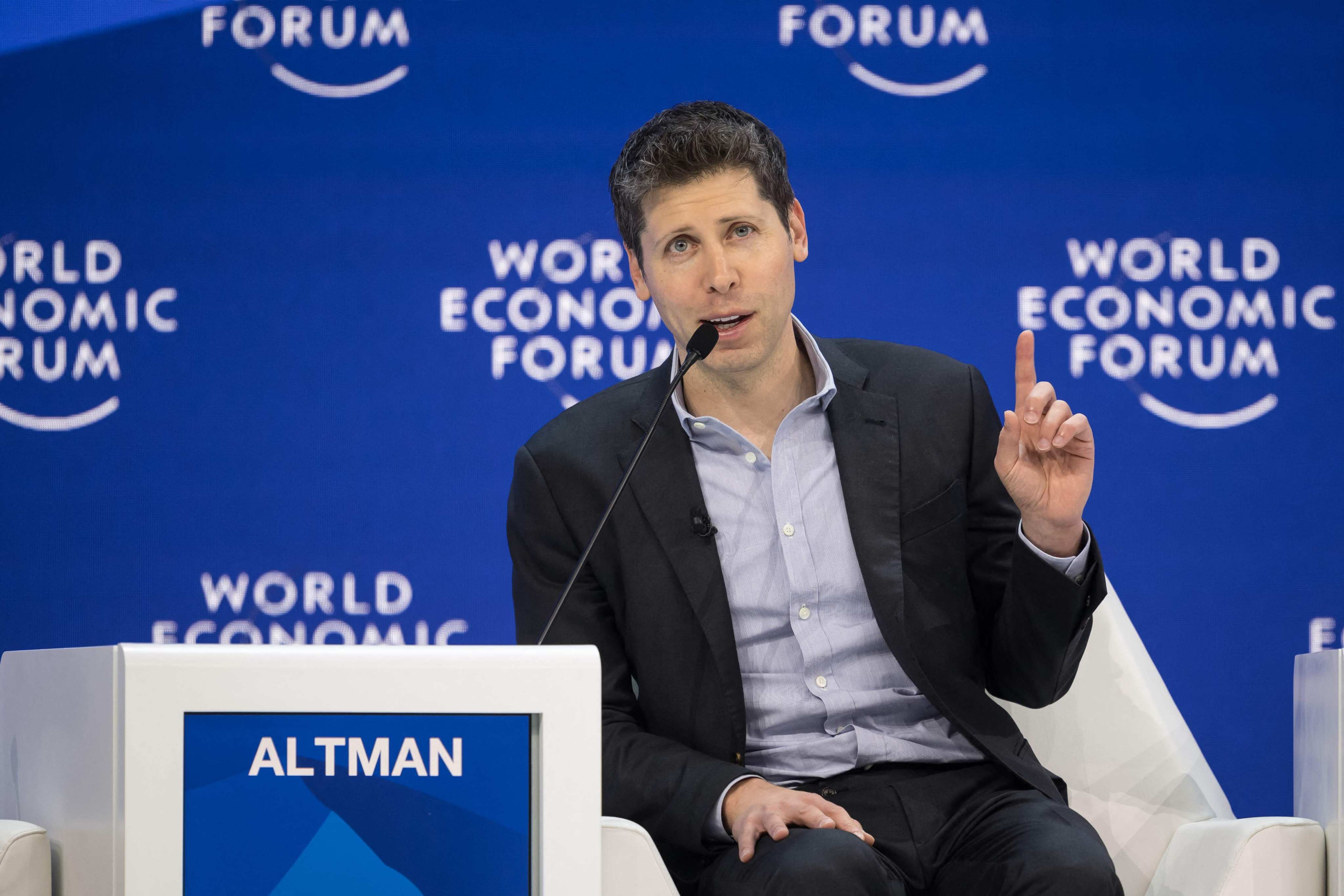
For companies like OpenAI, which are operating at the frontier of a transformative technology, the stakes are uniquely high. The psychological impact of such an attack can extend beyond the individual, potentially influencing how executives communicate with the public or how they manage the transparency of their organizations.
From an economic and policy perspective, this incident highlights the need for a stable environment in which innovation can occur. When the leaders of critical infrastructure or transformative technology are targeted by violence, it can create a chilling effect on leadership and a sense of instability that may concern investors and global partners.
Key Takeaways on the Incident
- The Event: A 20-year-old suspect is accused of throwing a Molotov cocktail at Sam Altman’s home.
- Legal Status: The suspect made his first court appearance on Tuesday.
- Context: Sam Altman is the CEO of OpenAI and a leading figure in the AI boom, though he has faced internal board conflicts and public scrutiny.
- Broader Implication: The attack underscores the rising physical security risks associated with the leadership of high-impact AI organizations.
The next confirmed checkpoint in this case will be the subsequent court hearing to determine the suspect’s bail status and the formal entry of evidence. We will continue to monitor the legal filings and official statements from law enforcement as this case progresses.
World Today Journal encourages readers to share their thoughts on the balance between technological progress and public accountability in the comments below.