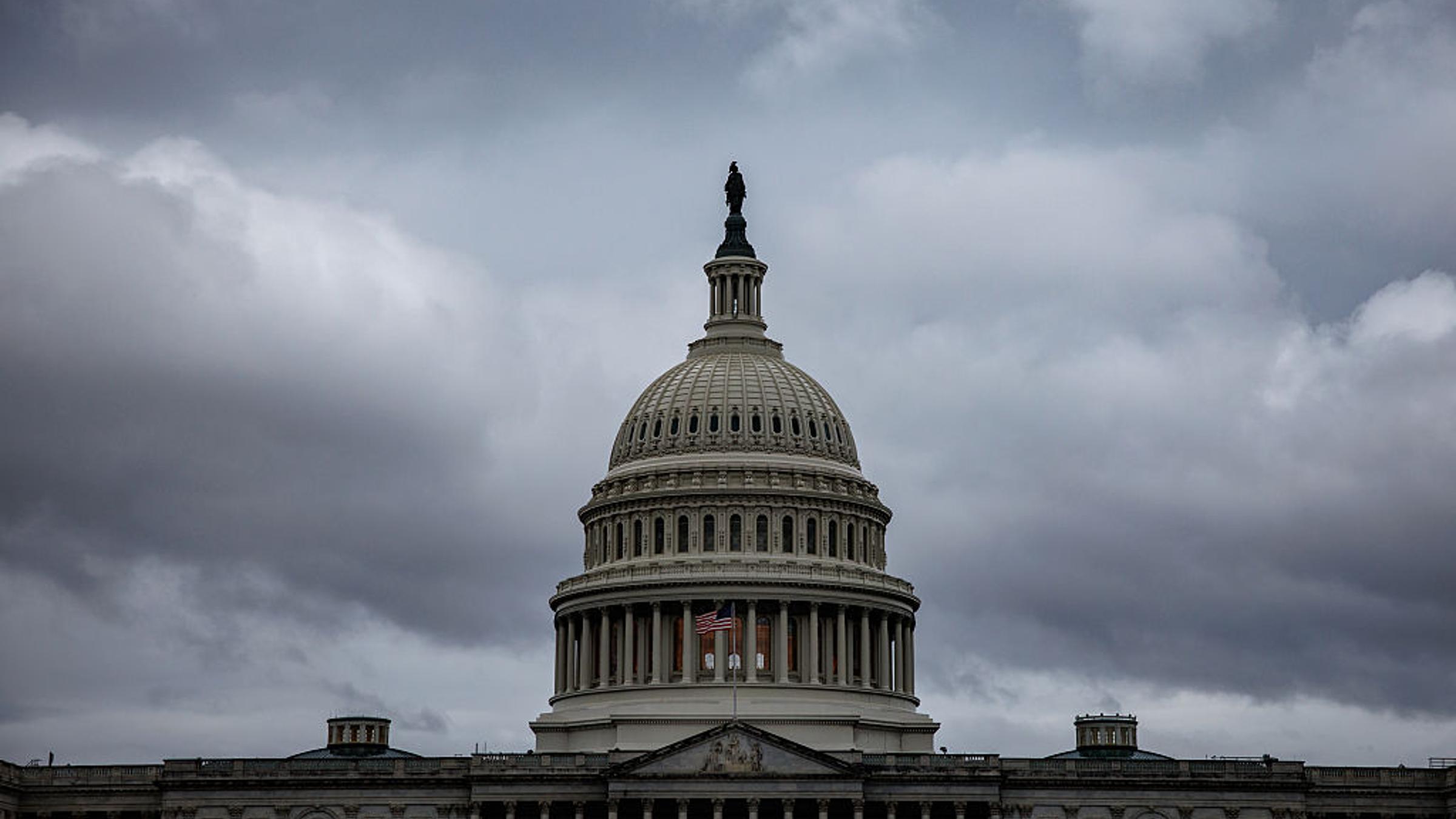
The balance of power in the U.S. House of Representatives has shifted slightly following the sudden resignations of two members on Tuesday, April 14, 2026. Representative Eric Swalwell, a Democrat from California and Representative Tony Gonzales, a Republican from Texas, both stepped down amid separate House Ethics investigations into allegations of sexual misconduct. Their departures create immediate vacancies in a chamber where the majority remains razor-thin.
The timing of these resignations is particularly sensitive as both parties prepare for the upcoming midterm elections in November. While the dual departures essentially offset one another in terms of partisan numbers, the process for filling these seats differs significantly between California and Texas. This discrepancy could leave one district without representation for several months, potentially impacting the House’s voting margins in the short term.
Both lawmakers were facing potential expulsion votes from their colleagues before choosing to resign. Because the House Ethics Committee only maintains jurisdiction over sitting members, these internal congressional investigations effectively conclude with their departures. However, legal scrutiny may persist; the Manhattan district attorney’s office has launched a probe into Swalwell regarding an alleged assault in Modern York according to NBC News.
California’s Rapid Response: The Race for District 14
In California, the process to fill the vacancy in the 14th Congressional District is already underway. Governor Gavin Newsom issued a proclamation on Tuesday afternoon calling for a special election to replace Eric Swalwell. The election is scheduled for Aug. 18, 2026 per official reports.
Swalwell’s resignation follows a period of intense personal and political turmoil. Just days prior, he suspended his campaign for governor of California, a race in which he had been considered the Democratic frontrunner according to The Guardian. The decision came amid multiple accusations of sexual assault and misconduct. These included allegations from a former staff member who claimed she was assaulted twice while too inebriated to consent, as well as claims from three other women regarding unsolicited explicit messages and photographs as reported by The Guardian.
Despite the resignations, Swalwell has maintained a firm denial of the claims. His lawyer, Sara Azari, described the accusations as “false, fabricated, and deeply offensive,” characterizing them as a political “hit job” via NBC News. In a separate statement, Swalwell apologized for “mistakes in judgment” made in his past but continued to fight the more serious allegations according to The Guardian.
Texas Vacancy: Uncertainty Over the Timeline
The situation in Texas is less certain. Representative Tony Gonzales announced his retirement shortly after Swalwell’s resignation. Gonzales had been accused of coercing a staff member into a sexual relationship; while he initially denied the relationship, he admitted to an affair last month according to NBC News. Further allegations surfaced involving sexually explicit text messages sent to another former staffer in 2020.
Unlike California, Texas does not have a set date for a special election to fill Gonzales’ seat. Under Texas law, the governor typically schedules a special election on the first uniform election date that falls at least 36 days after the election is ordered. Because the general election in November is less than seven months away, Governor Greg Abbott is not legally required to hold a special election before the midterms.
If Governor Abbott chooses not to call an emergency special election, the seat may remain vacant until the November general election. Such a move would be a departure from a 2018 precedent where Abbott called an emergency election following the resignation of Rep. Blake Farenthold. As of the current reporting, the Governor’s office has not provided a definitive timeline for filling the vacancy.
Impact on House Majority and Midterm Dynamics
The dual resignations occur at a moment of extreme fragility for the House majority. Republicans currently hold a slim lead, but the departures of one Republican and one Democrat leave the chamber in a state of flux. Currently, the President’s party occupies 216 seats, with Democrats holding 213. This count is further complicated by three other vacancies and one Independent, Rep. Kevin Kiley of California, who continues to caucus with the GOP.
The partisan split is expected to stabilize shortly. Republican Clay Fuller, who won a special runoff election to replace former Rep. Marjorie Taylor Greene, is expected to be sworn in on Tuesday, which would bring the Republican count back up to 217 seats. Other special elections to fill remaining vacancies are scheduled for April and August.
While the departures of Swalwell and Gonzales mathematically offset each other, the timing of the replacements could create temporary shifts in voting power. Democrats have seen success in recent special elections, often overperforming their 2024 benchmarks. Conversely, Republicans face risks to their narrow majorities in both the House and Senate heading into the pivotal midterms.
Seat Stability and Projections
Despite the scandals surrounding the previous incumbents, political analysts suggest the seats are likely to remain with their respective parties. The Cook Political Report categorizes Swalwell’s California seat as “solid” for Democrats and Gonzales’ Texas seat as “likely” for Republicans.
- California District 14: Rated “solid” Democratic; special election set for Aug. 18.
- Texas Seat: Rated “likely” Republican; timeline for replacement depends on Governor Greg Abbott.
The next confirmed checkpoint for these vacancies is the August 18 special election in California to fill the seat left by Eric Swalwell. Updates regarding the Texas vacancy will depend on further proclamations from the Governor’s office.
We invite our readers to share their thoughts on the impact of these vacancies in the comments below.