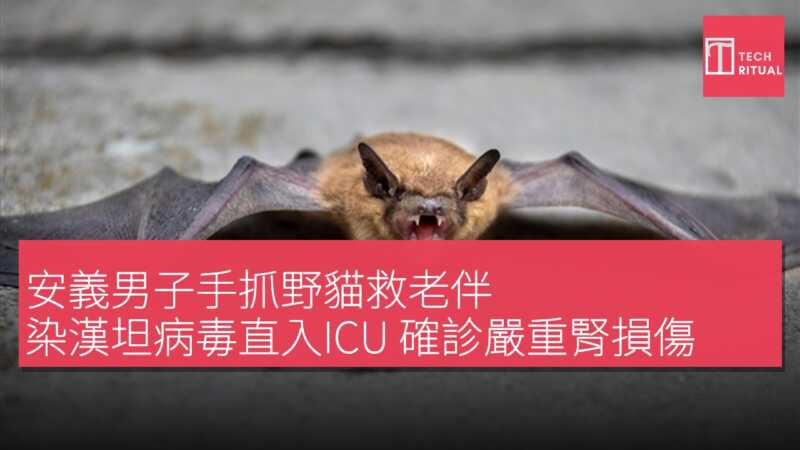
A routine act of kindness has led to a critical medical emergency in Zhejiang Province, China, highlighting the hidden dangers of zoonotic diseases. A man from Anyi County was admitted to an intensive care unit after contracting hantavirus, a severe viral infection, following an encounter with a stray cat he attempted to remove to protect his elderly wife.
The patient’s condition deteriorated rapidly, leading to a diagnosis of severe kidney damage. This case serves as a stark reminder of how pathogens carried by rodents can transition to other animals and eventually to humans, often through indirect contact or contaminated environments.
Hantaviruses are a group of viruses spread primarily by rodents. While the virus is not typically “carried” by cats in the way a primary reservoir like a mouse is, cats can act as mechanical vectors or be found in environments heavily contaminated with rodent excreta. When a human interacts with such an animal or the environment it inhabits, the risk of inhaling or absorbing the virus increases significantly.
The Path to Critical Care: An Unexpected Infection
According to reports from the region, the incident began when the man noticed a stray cat causing distress or potential danger to his wife. In an effort to rescue her, he manually captured the animal. Shortly thereafter, he began experiencing systemic symptoms that mirrored a severe flu, including high fever and muscle aches, before his condition spiraled into organ failure.
Upon admission to the hospital, medical teams identified the presence of hantavirus. The virus triggered a severe inflammatory response, specifically targeting the renal system. The patient was subsequently moved to the ICU to manage acute kidney injury and stabilize his vital functions.
Medical professionals note that hantavirus typically manifests in two primary forms: Hantavirus Pulmonary Syndrome (HPS), which affects the lungs, and Hemorrhagic Fever with Renal Syndrome (HFRS), which targets the kidneys. In this specific case, the patient exhibited the hallmarks of HFRS, characterized by vascular leak and significant renal impairment.
Understanding Hemorrhagic Fever with Renal Syndrome (HFRS)
HFRS is a zoonotic disease caused by various strains of hantavirus. It is most prevalent in Asia, Europe, and the Americas. The virus is primarily shed in the urine, saliva, and feces of infected rodents. Humans develop into infected through the inhalation of aerosolized viral particles or through direct contact with contaminated materials.
The progression of HFRS generally follows five distinct stages:
- Febrile Phase: Characterized by sudden onset of fever, chills, headache, and muscle aches.
- Hypotensive Phase: A period where blood pressure drops, and the patient may experience shock.
- Oliguric Phase: This is the critical window where kidney function declines, leading to a decrease in urine output.
- Diuretic Phase: The kidneys begin to recover, often resulting in excessive urination.
- Convalescent Phase: A gradual recovery period that can take weeks or months.
The severity of the kidney damage seen in the Anyi County patient suggests the virus progressed rapidly into the oliguric phase, necessitating intensive supportive care, including potential dialysis, to replace the failing functions of the kidneys.
The Role of Animals in Viral Transmission
A common point of confusion in this case is the role of the cat. It is important to clarify that cats are not the primary reservoir for hantavirus. rodents are. However, cats that hunt rodents often come into contact with infected droppings and urine. If a cat’s fur is contaminated with dried rodent excreta, a human handling the cat may inadvertently inhale the virus or transfer it to their mucous membranes.

This phenomenon is known as indirect transmission. The danger is not necessarily the “bite” of the cat, but the environmental contaminants the animal carries. Public health experts emphasize that any animal that hunts in wild or infested areas can potentially transport pathogens from the primary reservoir to a human host.
For more detailed information on the prevention and identification of zoonotic diseases, the World Health Organization (WHO) provides comprehensive guidelines on managing viral hemorrhagic fevers and improving community hygiene.
Key Takeaways for Public Safety
- Avoid Direct Contact: Never handle stray animals or wildlife with bare hands, especially those found in areas with known rodent activity.
- Environmental Hygiene: When cleaning areas where rodents have been present, avoid sweeping or vacuuming, which can stir up viral particles. Instead, utilize wet cleaning methods with disinfectants.
- Symptom Vigilance: If you experience sudden fever and muscle aches after interacting with wild animals or cleaning old sheds/attics, seek medical attention immediately.
- Protective Gear: Use gloves and masks when dealing with potential contaminants in rural or infested environments.
Preventing Zoonotic Spillovers in Rural Communities
The case in Anyi County highlights a broader challenge in public health: the “spillover” effect. Zoonotic diseases occur when a pathogen jumps from a non-human animal to a human. As urban expansion encroaches on wild habitats, the frequency of these interactions increases.
Healthcare policy in Zhejiang and across China has increasingly focused on “One Health” initiatives. This approach recognizes that the health of people is closely connected to the health of animals and our shared environment. By controlling rodent populations and educating the public on the risks of handling stray animals, health authorities aim to reduce the incidence of HFRS.
The Centers for Disease Control and Prevention (CDC) notes that the best way to prevent hantavirus is to eliminate rodent infestations in and around the home, sealing holes in walls and using traps to reduce the population of carriers.
Frequently Asked Questions
Can cats actually carry hantavirus?
Cats are not primary reservoirs. However, they can be contaminated with the virus from the rodents they hunt, acting as a bridge for the virus to reach humans through contact with the cat’s fur or skin.

How dangerous is the kidney damage associated with HFRS?
It can be life-threatening. Severe renal failure requires ICU admission and may necessitate hemodialysis. However, with early detection and supportive care, many patients can make a full recovery.
Is there a vaccine for hantavirus?
Vaccines exist for certain strains of hantavirus in some countries (such as China and South Korea), but they are not universally available globally. Prevention through hygiene and rodent control remains the primary defense.
Next Steps and Medical Outlook
The patient remains under observation in the ICU, where the medical team is focusing on renal replacement therapy and stabilizing systemic inflammation. The next critical checkpoint for the patient will be the transition from the oliguric phase to the diuretic phase, which will indicate whether the kidneys are beginning to recover their function naturally.
Health officials in Anyi County are expected to continue monitoring for any further cases in the area to determine if there is a localized spike in rodent-borne pathogens.
We encourage our readers to share this article to raise awareness about the dangers of zoonotic diseases. Please leave your thoughts or questions in the comments section below.
Related reading