
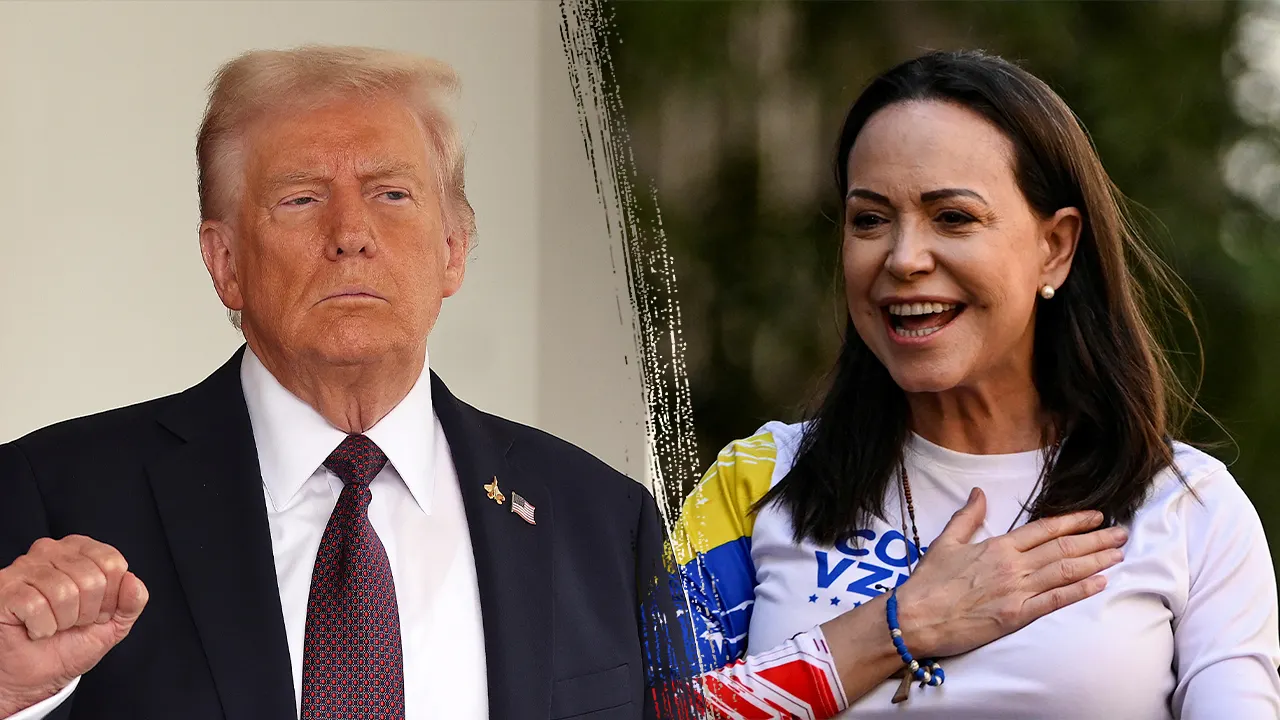
María Corina Machado remains at the center of a complex political debate regarding whether she should return to Venezuela, with international observers and political figures citing concerns over the potential for her presence to complicate the nation’s ongoing disaster response efforts. The discussion follows a series of seismic events in Venezuela, which have prompted global calls for stability as the country addresses humanitarian needs.
According to reports, the debate over Machado’s potential return involves a spectrum of views from diplomatic circles and political allies. While some supporters advocate for her presence in the country, others have suggested that a return at this juncture could be counterproductive because she “would do nothing in the country now.” The White House has characterized the focus on her potential return as opportunism given the urgent humanitarian priorities facing the Venezuelan population following the recent earthquakes.
Geopolitical Dynamics and Humanitarian Priorities
The intersection of Venezuela’s internal opposition politics and its current emergency response has created a challenging diplomatic environment. U.S. officials have expressed concern that the return of María Corina Machado to Venezuela could harm the response to the earthquake. The U.S.

In various public statements, international analysts have noted that the Venezuelan government’s reaction to the opposition has remained restrictive. Machado has faced significant legal and logistical barriers to movement. These restrictions have been documented by the Office of the United Nations High Commissioner for Human Rights, which has frequently reported on the shrinking space for political dissent in Venezuela.
The Debate Over Political Strategy
The question of whether Machado should remain abroad or attempt to re-enter Venezuela is not merely a logistical concern; it is a point of contention within the broader opposition movement. Machado has accused the interim government of preventing her return. This internal friction highlights the fragmented nature of the opposition, which has struggled to present a unified front against the current administration.

Conversely, some international political figures, including Donald Trump, have refused to support the return of María Corina Machado to Venezuela, focusing instead on the broader strategy of the opposition movement. This lack of a unified international stance has left the opposition in a precarious position, forced to balance the optics of resistance against the reality of state-imposed travel and legal constraints.
Impact on the Ground
For the average citizen in Venezuela, the political maneuvering surrounding opposition leaders often feels disconnected from the day-to-day struggle of recovering from natural disasters. The seismic events have exacerbated existing infrastructure challenges, including limited access to medical supplies and emergency services. According to data provided by the International Federation of Red Cross and Red Crescent Societies, the capacity of local response teams is currently stretched, making the coordination of international aid critical for long-term recovery.
The following table outlines the differing perspectives regarding the current political impasse:
| Stakeholder | Stance on Return | Primary Concern |
|---|---|---|
| U.S. Administration | Caution | Distraction from humanitarian aid |
| Opposition Factions | Divided | Political legitimacy vs. personal safety |
| International Observers | Monitoring | Human rights and democratic space |
Next Steps in the Venezuelan Crisis
As the humanitarian situation evolves, the international community remains focused on the delivery of aid to affected regions. Further updates regarding the political status of opposition leaders are expected during the next session of the Organization of American States (OAS), where the situation in Venezuela is a standing item on the agenda. Observers are also waiting for the next round of official reports from humanitarian NGOs regarding the efficacy of aid distribution in the areas most impacted by the recent seismic activity.
The situation remains fluid, and international diplomatic efforts are ongoing to ensure that humanitarian aid reaches the population without further political interference. We encourage our readers to share their thoughts on these developments in the comments section below and to stay tuned for further updates as more verified information becomes available.