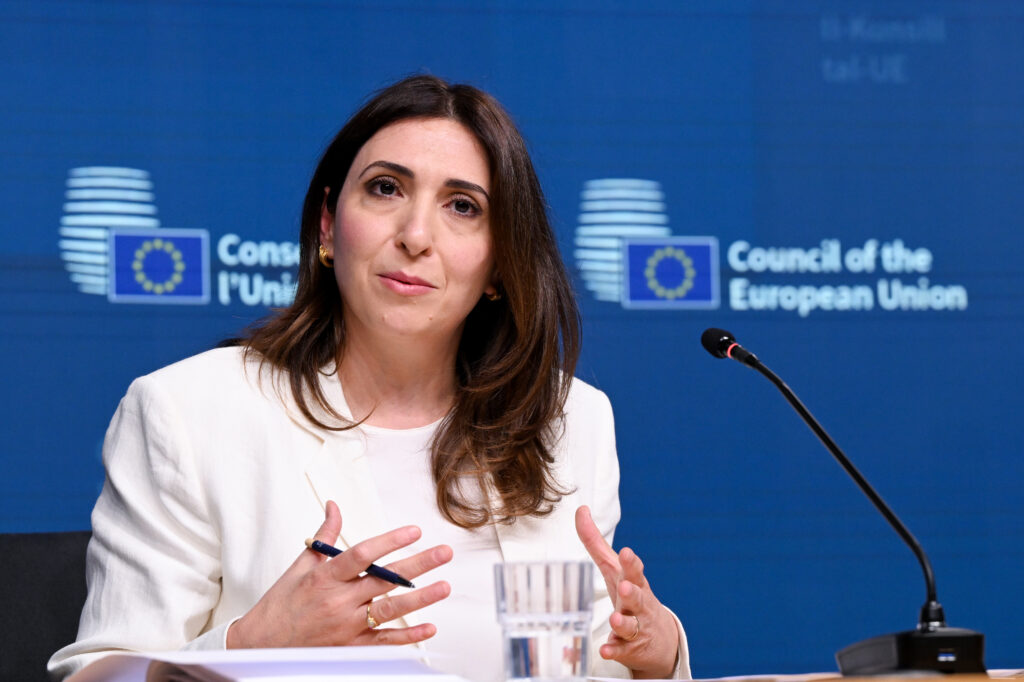
The Republic of Cyprus, currently holding the rotating presidency of the Council of the European Union, has proposed a reduction of nearly €33 billion to the European Union’s long-term budget proposal for the 2028–2034 period. The adjustment, described by officials as a moderate 2 percent trim, arrives as member states begin the complex process of negotiating the next Multiannual Financial Framework (MFF) to address shifting economic priorities across the bloc.
Marilena Raouna, the Deputy Minister to the President for European Affairs of Cyprus, confirmed the government’s stance during recent preparatory discussions, emphasizing the need for fiscal discipline while maintaining support for core EU policy objectives. This proposal serves as a preliminary marker in a multi-year negotiation cycle that will ultimately require unanimous agreement from all 27 member states and the consent of the European Parliament, according to the official procedures for the European Union’s long-term budget.
Context of the 2028–2034 Budget Negotiations
The MFF is the primary instrument for implementing the European Union’s political priorities, determining the maximum amounts of money the EU can spend in various policy areas over a seven-year duration. The current cycle, covering 2021–2027, has been marked by significant mid-term revisions necessitated by the geopolitical instability following the invasion of Ukraine and the inflationary pressures impacting the Eurozone, as detailed by the European Commission’s budget overview.
Cyprus’s role as the incoming presidency—and its preparatory work—places it in the position of a mediator. The proposed €33 billion reduction is intended to signal a commitment to budgetary efficiency, a move often favored by “frugal” member states that advocate for lower overall contributions to the EU common pot. However, any significant reduction typically meets resistance from states that are net beneficiaries of EU structural and cohesion funds, creating the traditional tension that defines every MFF negotiation.
Fiscal Challenges and Strategic Priorities
European economic policy is currently navigating a period of high interest rates and the necessity for increased investment in defense, green transition projects, and digital infrastructure. According to the European Central Bank’s recent economic bulletin, the bloc faces a critical need to boost productivity and competitiveness to maintain its global standing. The challenge for the Cypriot presidency and subsequent presidencies will be balancing these high-cost strategic mandates with the fiscal constraints requested by national finance ministries.
The proposed 2 percent cut represents a “moderate” approach, intended to avoid the more severe austerity measures that some factions within the European Parliament might oppose. By starting the conversation with a targeted reduction, Cyprus aims to provide a baseline for the European Commission to refine its formal proposal, which is expected to be presented in the coming months. The final document will undergo rigorous scrutiny by the Council and the European Parliament, with the latter likely to push for a broader expansion of the budget to support new, ambitious climate and security initiatives.
The Path Forward for Member States
The negotiation process for the 2028–2034 budget is expected to extend well into 2026. Historically, these talks involve intense “trilogue” sessions between the Commission, the Council, and the Parliament. Because the EU budget requires a unanimous vote in the Council, individual member states possess significant leverage to block or demand changes to the final figures, a process governed by Article 311 of the Treaty on the Functioning of the European Union.
For observers of global markets and economic policy, the primary indicator of success will be the eventual allocation of funds toward the “NextGenerationEU” legacy projects versus traditional agricultural and regional development spending. While the headline figure of a €33 billion reduction captures attention, the actual impact will depend on where those cuts are applied. If the reductions affect high-growth sectors, the long-term competitiveness of the bloc could be at risk; if they represent improved administrative efficiency, they may be welcomed by taxpayers across the union.
The next major checkpoint for this budget proposal will be the formal presentation of the Commission’s draft framework, which will trigger the official legislative clock. In the interim, the Cypriot presidency will continue to host informal ministerial meetings to gauge the political appetite for these cuts among the 27 member states. We will continue to track these developments as the draft framework moves toward official review. Readers are encouraged to monitor the Council of the European Union’s official meeting calendar for updates on upcoming sessions regarding the MFF.
Keep reading