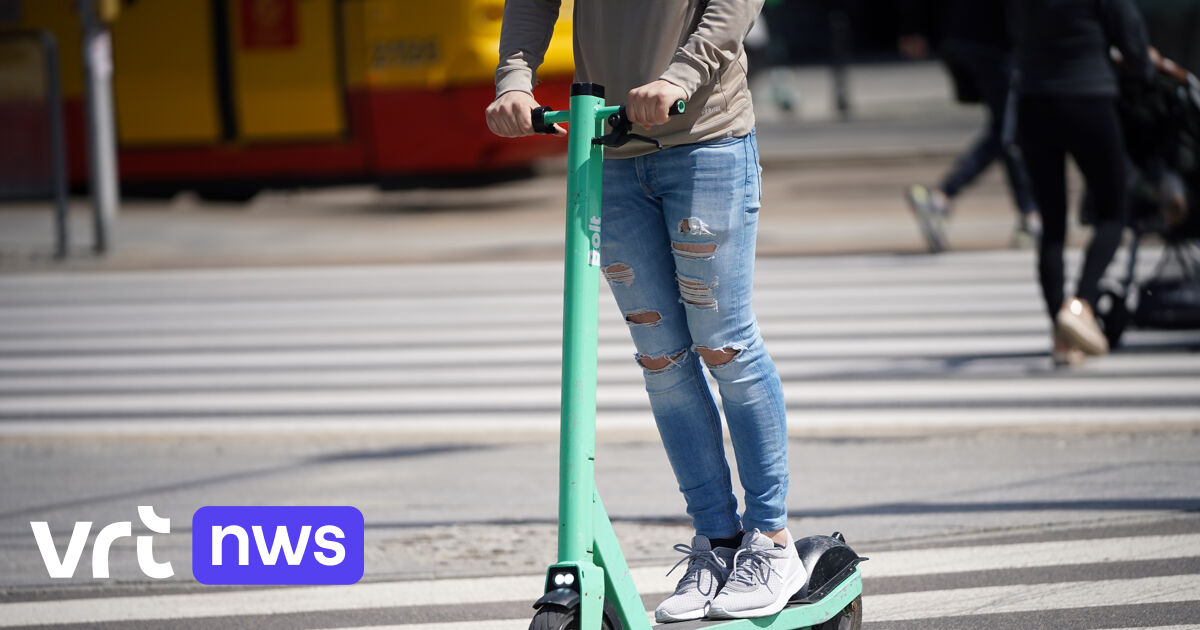
The Brussels-Capital Region will implement a total ban on shared electric scooters starting in 2027, joining a growing list of European capitals that have moved to restrict micromobility services. The regional government confirmed the policy shift following years of public complaints regarding sidewalk clutter, safety concerns, and the improper use of the vehicles in traffic.
According to the Brussels regional government, the decision to phase out shared e-scooters is part of a broader strategy to reclaim public space and improve road safety. Officials cited data indicating that the devices frequently contribute to traffic accidents and create accessibility barriers for pedestrians, particularly those with reduced mobility. This regulatory change marks a significant reversal from the city’s previous approach of integrating shared micro-transportation into its urban mobility network.
Regulatory Shifts in European Urban Mobility
Brussels joins major metropolitan areas like Paris and Madrid, both of which have recently enacted similar prohibitions against shared electric scooter fleets. In Paris, the citywide ban on rental e-scooters took effect in September 2023 following a public referendum where nearly 90% of voters supported the measure, as reported by the BBC. The trend reflects a growing skepticism among European policymakers regarding the sustainability and safety profiles of “free-floating” rental models.

The Brussels-Capital Region’s move is intended to address the specific challenges of high-density urban environments. Local authorities noted that despite various attempts to implement “parking zones” and speed-limiting technology, the negative externalities—ranging from abandoned scooters blocking transit hubs to an increase in emergency room admissions—remained unacceptably high. By 2027, the current licenses granted to private operators will not be renewed, effectively removing the shared fleet from the city’s streets.
Safety Concerns and Public Infrastructure
The primary driver behind the upcoming ban is the impact of shared e-scooters on public safety and the orderly use of urban infrastructure. According to the Brussels Mobility agency, the city has struggled to balance the convenience of last-mile transport with the safety of vulnerable road users. Frequent reports of scooters being left in the middle of pedestrian walkways have led to increased friction between residents and mobility companies.
Beyond the logistical issues of sidewalk clutter, medical data has played a role in the policy decision. Local health authorities have tracked a steady volume of injuries related to e-scooter use, often involving head trauma or fractures sustained in accidents where the rider was not wearing protective equipment. These safety statistics have provided the empirical basis for the government’s assertion that the risks associated with the current shared-use model outweigh the benefits of its availability as a public transport alternative.
Impact on Private Operators and Future Mobility
The transition toward a total ban will have immediate consequences for companies that currently operate in the Brussels market. These operators, which have historically operated under specific regional permits, must now prepare for a wind-down period leading up to the 2027 deadline. While the market for privately owned e-scooters is expected to remain unaffected, the “shared” economy model faces a definitive end in the region.
Critics of the decision have suggested that the government could have pursued more stringent regulation rather than a total prohibition. Some urban planners argue that cities like London, which have maintained strictly controlled pilot programs, provide a more balanced template for managing micromobility. By limiting the number of operators and requiring specific docking stations, these cities have attempted to mitigate the issues of clutter without removing the service entirely. However, Brussels officials have determined that, given the specific layout and density of the capital, a blanket ban is the most effective way to restore order to the public right-of-way.
What Happens Next
The regional government is expected to release a detailed roadmap for the transition period in the coming months, outlining how current permits will be managed as the 2027 deadline approaches. Residents and regular users of these services are encouraged to monitor the official Brussels Mobility portal for updates on alternative transport options and the eventual decommissioning schedule for the shared fleets.
As the city prepares for this change, the debate continues regarding the future of sustainable urban transport in Brussels. The focus is expected to shift toward bolstering the existing public transit network and expanding infrastructure for bicycles, which remain a permitted and encouraged form of micro-transportation. We invite our readers to share their perspectives on this policy shift in the comments section below.
Worth a look