
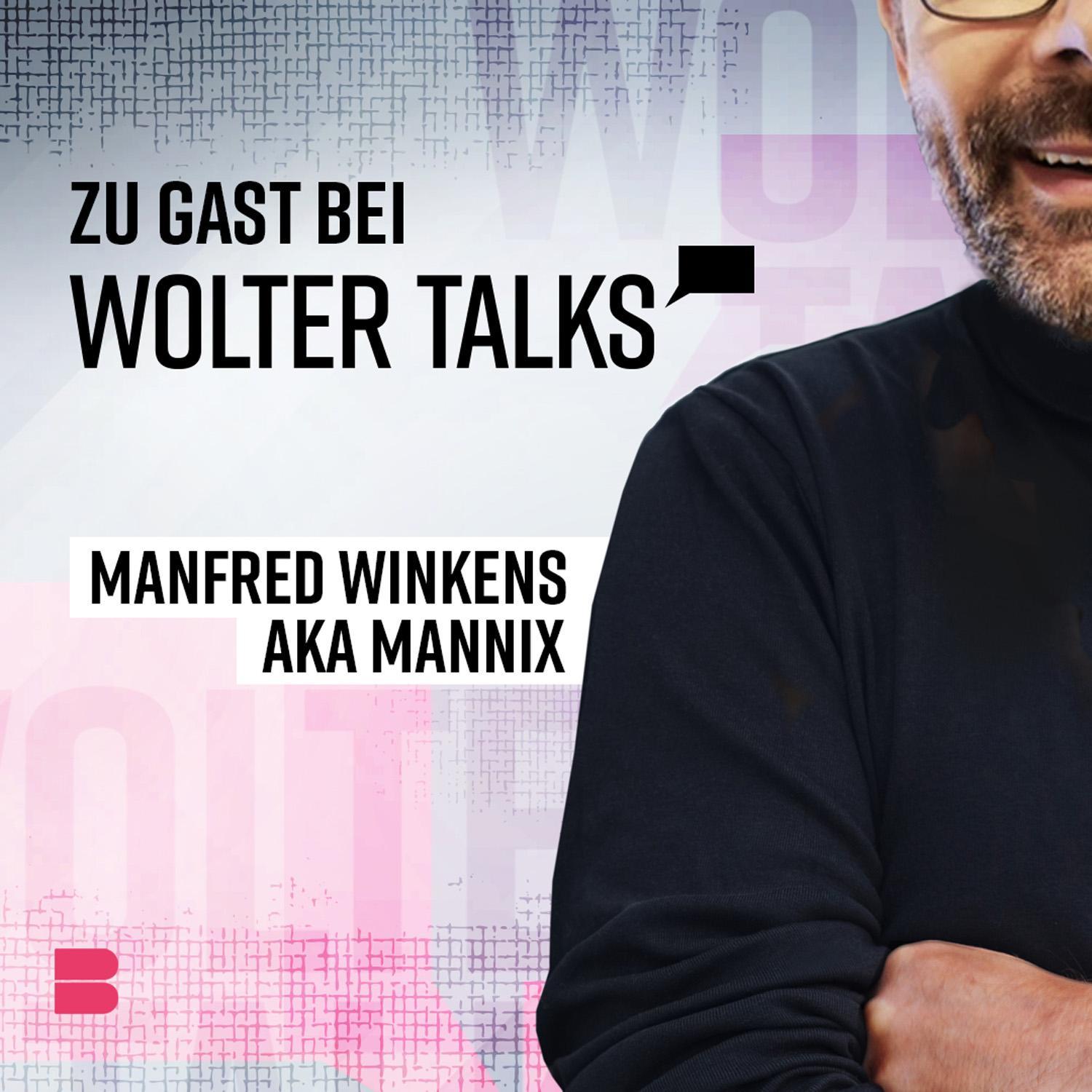
In the evolving landscape of digital content creation, the financial mechanics behind successful YouTube channels remain a subject of intense public curiosity. Aaron Troschke, a prominent German media personality and entrepreneur, recently addressed the topic of his annual earnings from his digital ventures during a candid appearance on the podcast Wolter Talks: Der Podcast mit Markus Wolter. While figures regarding influencer income are often subject to speculation, Troschke’s direct commentary provides a rare, albeit high-level, insight into the revenue streams that sustain a multi-platform career.
For many content creators, the path to monetization is a complex mix of platform-specific ad revenue, strategic brand partnerships, and independent business ventures. Troschke, who rose to prominence through his appearances on reality television, has successfully transitioned into a digital-first entrepreneur, leveraging a large social media following to build a sustainable business model. His discussion with host Markus Wolter touched upon the reality that YouTube income alone rarely tells the full story of a creator’s financial health.
Understanding the Revenue Model of Digital Entrepreneurs
The transition from television personality to professional YouTuber requires a nuanced understanding of digital advertising metrics. According to data provided by industry analysts at Statista, the influencer marketing industry has seen exponential growth, shifting focus toward long-term brand collaborations rather than single-video sponsorships. For creators of Troschke’s scale, revenue is typically diversified across several channels, including AdSense earnings, direct brand deals, and affiliate marketing, which creates a buffer against the inherent volatility of platform algorithms.
In the podcast conversation, Troschke emphasized that his annual income is not derived solely from YouTube views. Instead, he highlighted the importance of integrated advertising partners and the operational costs associated with maintaining a professional production setup. This distinction is critical for viewers to understand: gross revenue often masks the significant overhead required to produce high-quality, consistent digital content. The financial success of such channels is frequently tied to the creator’s ability to maintain a loyal community that resonates with specific brand messaging.
The Shift Toward Brand Partnerships
Beyond the automated revenue generated by video views, the primary driver of income for top-tier creators is the brand partnership. As reported by the Forbes Agency Council, successful digital entrepreneurs prioritize long-term relationships with companies that align with their personal brand identity. This shift allows for more predictable income streams compared to the fluctuating nature of ad-based revenue, which can be impacted by seasonal advertising trends and platform policy changes.

Troschke’s approach mirrors a broader trend in the German media market, where influencers are increasingly operating as small-to-medium enterprises. By diversifying into various business sectors, these creators mitigate the risk of relying on a single platform. For audiences looking to understand the mechanics of this industry, it is helpful to view these figures as the result of a coordinated business strategy rather than passive income. The complexities of tax, production, and management mean that even high-earning channels must balance substantial operational expenses against their gross intake.
Transparency in the Creator Economy
The dialogue surrounding influencer income is often clouded by sensationalism. However, experts in digital media, such as those documenting trends for the Reuters Institute for the Study of Journalism, suggest that increased transparency can actually benefit the creator economy by setting realistic expectations for aspiring content creators. When figures like Troschke speak openly about their revenue, it demystifies the “overnight success” narrative and underscores the professional discipline required to maintain a career in digital media.
Moving forward, the industry is expected to see more stringent regulatory scrutiny regarding how earnings are reported and how sponsorships are disclosed. In Germany, the Landesmedienanstalten (State Media Authorities) provide clear guidelines for the labeling of advertising content, ensuring that consumers are aware when a piece of content is sponsored. As the market matures, the focus will likely remain on the sustainability of these business models and the ability of creators to adapt to new technologies and audience preferences.
As of this writing, there are no further scheduled public disclosures regarding Troschke’s specific financial filings. Readers interested in the broader economic impact of the creator economy can monitor ongoing reports from industry watchdogs and official media regulatory bodies for updates on digital advertising standards. If you have thoughts on the changing face of digital entrepreneurship, feel free to share your perspective in the comments section below.
Keep reading