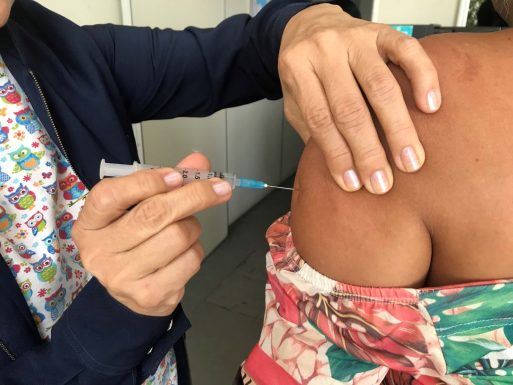
Health authorities have officially extended the influenza vaccination campaign in several regions, responding to a notable rise in respiratory infections and the ongoing need to bolster public immunity during the winter months. This decision reflects a broader public health strategy to mitigate the burden on healthcare systems as seasonal illnesses, including influenza and other respiratory viruses, continue to circulate at elevated levels. For individuals who have not yet received their annual dose, the extension provides a critical window to secure protection against severe complications associated with the flu.
The decision to prolong the availability of the influenza vaccine is a targeted intervention aimed at ensuring high coverage rates, particularly among high-risk groups such as the elderly, young children, and those with underlying health conditions. According to guidance from the Brazilian Ministry of Health, maintaining access to immunization during periods of increased viral transmission is essential to reducing hospitalizations and preventing severe outcomes. By extending these deadlines, local health secretariats—such as the Fundação de Vigilância em Saúde (FVS)—aim to reach segments of the population that remain vulnerable to seasonal outbreaks.
Understanding the Seasonal Surge in Respiratory Viruses
The recent surge in influenza cases is not an isolated event but part of a seasonal pattern that health experts monitor closely. As temperatures drop, people tend to spend more time in enclosed, poorly ventilated spaces, which facilitates the transmission of respiratory pathogens. Medical professionals emphasize that the influenza vaccine remains the most effective tool for preventing the most severe forms of the disease, including pneumonia and respiratory failure. Dr. David Uip and other infectious disease specialists have frequently noted that while no vaccine provides 100% immunity against infection, the primary goal of the annual flu shot is to prevent severe disease and death, as highlighted by reports from the CNN Brasil health desk.
Beyond influenza, the circulation of other viruses, such as Respiratory Syncytial Virus (RSV) and SARS-CoV-2, creates a “syndemic” effect that can overwhelm outpatient clinics and emergency departments. The Oswaldo Cruz Foundation (Fiocruz), which tracks respiratory syndrome data, consistently reports that vaccination is a foundational pillar for protecting public health during these peak months. When individuals delay vaccination, they increase the risk of community-wide transmission, which disproportionately impacts those who are medically fragile.
Why Timing and Access Matter for Public Health
Public health policies often adapt to real-time data, and the extension of vaccination campaigns is a direct result of epidemiological surveillance. When health departments observe that target vaccination goals have not been met, or that viral circulation is peaking later than anticipated, they extend the campaign to keep clinics open and vaccines available. This administrative flexibility is vital for ensuring that rural and underserved urban populations have the same opportunity for protection as those in major metropolitan hubs.
The importance of this timing is underscored by the national immunization schedule, which is designed to provide protection before the peak of the winter season. However, because influenza viruses undergo constant genetic changes—a process known as antigenic drift—the vaccine composition is updated annually by the World Health Organization (WHO) to match the circulating strains. This makes the annual dose a requirement, rather than a one-time event, for maintaining long-term population immunity.
Addressing Common Barriers to Vaccination
Despite the availability of vaccines, several barriers prevent optimal uptake, including vaccine fatigue, misinformation, and logistical challenges. Health communication experts stress that clear, transparent messaging about the safety and efficacy of the flu shot is necessary to combat hesitancy. The influenza vaccine is manufactured using rigorous, established technology and undergoes extensive safety testing before reaching the public.
For those concerned about side effects, the most common reactions—such as soreness at the injection site or mild fever—are signs that the immune system is responding to the vaccine, according to clinical data published by the World Health Organization. These symptoms are temporary and significantly less severe than the complications that can arise from a natural influenza infection. It is also important to note that the flu vaccine cannot cause the flu, as it contains inactivated or attenuated viruses that do not have the capacity to replicate in the human body.
What Happens Next: Staying Informed
As the campaign extension continues through July, local health authorities are urging citizens to visit their nearest primary care unit or vaccination center to receive their dose. It is recommended that individuals check their local municipal health department’s official website for specific operating hours and eligibility requirements in their area. In many jurisdictions, the vaccine is offered free of charge through the public health system to ensure universal access.

Moving forward, the focus remains on closing the gap in immunization coverage to ensure that the population is adequately protected for the remainder of the winter. Public health officials will continue to monitor the trajectory of respiratory infections and provide updates if further adjustments to the campaign are deemed necessary. If you have questions regarding your eligibility or the location of the nearest clinic, please consult the official portal of your local health secretariat. We encourage our readers to stay informed through verified, government-backed sources and to contribute to the collective effort of maintaining public health by getting vaccinated.
Keep reading