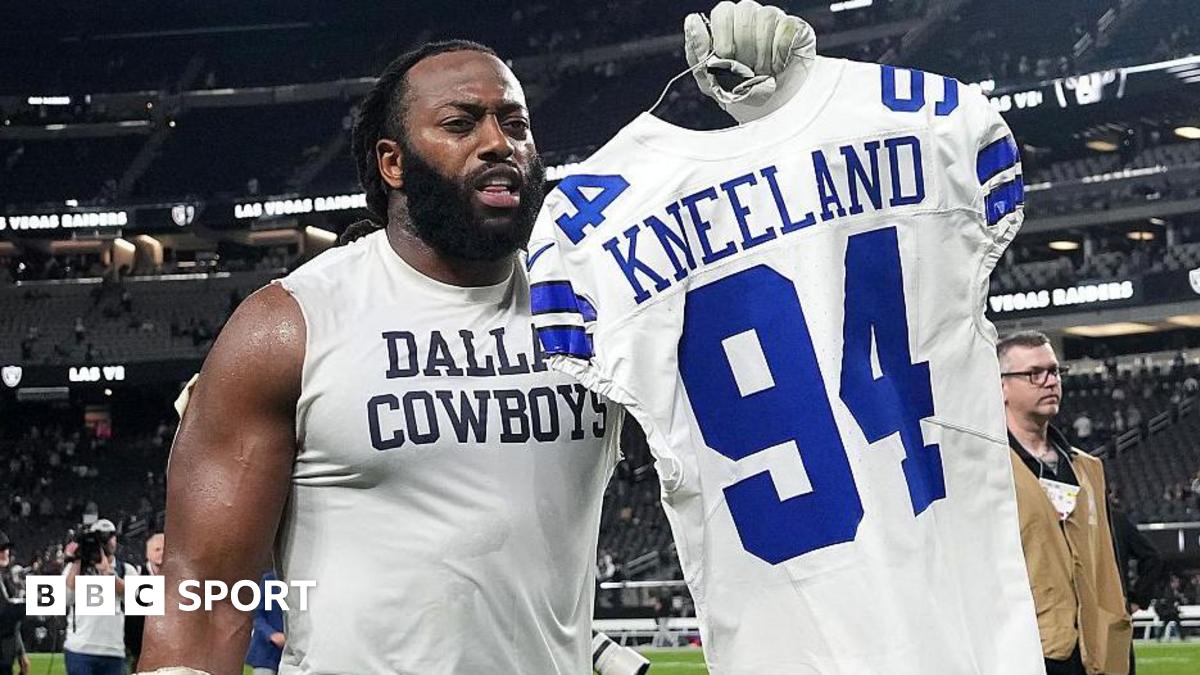
teh Dallas Cowboys recently honored the memory of defensive end Marshawn kneeland with a poignant tribute, demonstrating the profound impact a teammate can have both on and off the field. Kneeland, a second-round draft pick in 2024, tragically passed away, leaving a void within the institution and the wider NFL community. this story explores the Cowboys’ heartfelt response and the broader context of supporting mental health within professional sports.
Honoring Marshawn Kneeland: A Team’s Response to Loss
A locker was thoughtfully prepared in the Cowboys’ dressing room, displaying Kneeland’s number 94 jersey as a lasting symbol of remembrance. He participated in 18 games for the team, earning four starting positions during his brief but impactful time with the Cowboys. This gesture speaks volumes about the respect and affection his teammates held for him.
Quarterback Dak Prescott,intimately familiar with the pain of loss having experienced the suicide of his brother Jace in 2020,visibly honored Kneeland by wearing a ‘One Love’ wristband. This phrase held special importance for Kneeland, frequently used in his personal expression. Prescott’s public display of support underscores the importance of acknowledging grief and fostering a culture of empathy.
“I have no better peace than being on this field, and I know that’s the same for a lot of guys out here.”
Prescott further articulated the healing power of the game, stating that being on the field provides solace and a sense of purpose. He emphasized the team’s commitment to keeping Kneeland’s memory alive and continuing to spread his positive influence. The Cowboys’ collective mourning highlights the close bonds formed within a professional sports team.
During the game where this tribute took place, Prescott delivered a stellar performance, throwing four touchdowns. CeeDee Lamb, Jake ferguson, George Pickens, and Ryan Flournoy were all recipients of his passes, propelling the Cowboys to their fourth win of the season. the team’s success served as a powerful testament to their resilience and dedication, playing with extra motivation in honor of their fallen teammate.
Currently, the Cowboys are positioned behind the Philadelphia Eagles in the NFC East standings, while the Raiders occupy the bottom of the AFC West. However, the outcome of the game felt secondary to the emotional weight of the day and the team’s unified display of support.
Did You Know? According to a 2023 study by the NFL Players Association, approximately 60% of NFL players have experienced symptoms of mental health challenges during their careers. This statistic underscores the critical need for increased mental health resources within professional sports.
the Importance of Mental Health in Professional Sports
The cowboys’ response to Kneeland’s passing serves as a crucial reminder of the frequently enough-overlooked mental health challenges faced by professional athletes. The intense pressure to perform,the physical demands of the game,and the scrutiny of public life can take a significant toll.It’s vital for teams to create a supportive environment where players feel cozy seeking help.
I’ve found that open interaction and destigmatizing mental health conversations are paramount. Teams are increasingly investing in mental health professionals and resources, offering counseling, mindfulness training, and other support services. the NFL itself has launched several initiatives to promote mental wellness among its players, including the NFL’s Mental Health Awareness campaign.
Pro Tip: If you or someone you know is struggling with mental health, don’t hesitate to reach out for help.Resources are available, and seeking support is a sign of strength, not weakness.
The story of Marshawn Kneeland is a somber reminder that athletes are human beings first, and their well-being must be prioritized. Creating a culture of empathy, understanding, and support is essential for fostering a healthy and sustainable environment within professional sports.
Here’s a swift comparison of mental health resource availability in major sports leagues (as of November 2023):
| League | Mental Health Resources |
|---|---|
| NFL | Dedicated mental health professionals on staff, confidential counseling services, awareness campaigns. |
| NBA | Player assistance program, mental health workshops, partnerships with mental health organizations. |
| MLB | Confidential counseling hotline, mental health education for players and staff. |
| NHL | Player assistance program, access to mental health professionals, peer support network. |
If you have been affected by any of the issues raised in this story you can visit the BBC Action Line.
Evergreen Insights: Grief, Remembrance, and Team Dynamics
The way a team responds to loss reveals much about its character and values. The cowboys’ tribute to Marshawn Kneeland exemplifies the importance of collective mourning and the power of remembrance. These moments transcend the competitive arena, reminding us of the human connections that underpin all endeavors.building a strong team culture involves not only athletic prowess but also emotional intelligence and a commitment to supporting one another through life’s challenges.
Frequently Asked Questions About Athlete Mental Health and Team Support
- What is the role of teams in supporting athlete mental health? Teams have a responsibility to provide access to mental health professionals, create a safe and supportive environment, and destigmatize seeking help.
- How common are mental health challenges among professional athletes? Mental health challenges are surprisingly common, with studies indicating that a significant percentage of athletes experience symptoms of anxiety, depression, or other mental health conditions.
- What resources are available for athletes struggling with mental health? Numerous resources are available, including team-provided counseling, league-sponsored programs, and national mental health organizations.
- Can a team’s response to loss impact its performance? Absolutely. Grief can significantly affect performance, but a supportive team environment can help athletes navigate their emotions and maintain focus.
- How can fans contribute to a more supportive environment for athletes? fans can show empathy, avoid making insensitive comments, and advocate for increased mental health resources for athletes.
- What is the long-term impact of prioritizing mental health in sports? Prioritizing mental health can lead to improved athlete well-being, increased performance, and a more positive and sustainable culture within professional sports.
- How does the loss of a teammate affect team dynamics? The loss of a teammate can profoundly impact team dynamics, fostering a sense of unity and shared grief, but also requiring ongoing support and communication to navigate the emotional aftermath.
ultimately,the story of Marshawn Kneeland and the Cowboys’
Worth a look