
A powerful 7.8 magnitude earthquake struck the southern Philippines today, prompting immediate concerns regarding potential tsunami activity along coastal areas. Regional authorities and geological agencies are currently monitoring the situation as emergency protocols are activated across the affected provinces.
The tremor, which occurred in a seismically active region, has led to urgent advisories for residents living near the coastline. While the immediate focus remains on assessing the structural impact of the quake, the possibility of tsunami waves remains a primary concern for local disaster risk reduction and management offices. According to the Philippine Institute of Volcanology and Seismology (PHIVOLCS), the public is urged to stay informed through official channels as data continues to be processed.
Understanding the Seismic Activity and Tsunami Risk
The Philippines sits along the Pacific “Ring of Fire,” an area characterized by frequent seismic and volcanic activity due to the movement of tectonic plates. A magnitude 7.8 event is considered major, capable of causing widespread damage to infrastructure and triggering secondary hazards such as landslides or, in this case, tsunami waves. The United States Geological Survey (USGS) provides real-time seismic monitoring, which is essential for determining the specific depth and epicenter of such events, both of which influence the potential for tsunami generation.
When an earthquake of this magnitude occurs offshore or near a coastline, the vertical displacement of the seafloor can displace large volumes of water. Coastal communities are advised to move to higher ground if they observe unusual sea-level fluctuations, such as the rapid recession of the waterline. Residents should verify local alerts issued by the National Disaster Risk Reduction and Management Council (NDRRMC), which coordinates the national response to such emergencies.
Safety Protocols for Coastal Residents
Emergency management experts emphasize that in the wake of a significant earthquake, immediate evacuation from low-lying coastal areas is the most effective way to mitigate tsunami risk. Families are encouraged to maintain a “go-bag” containing essential supplies, including water, non-perishable food, flashlights, and a first-aid kit. Communication lines may be congested, so relying on battery-operated radios or official government social media feeds for updates is recommended.
If you are in the affected region, follow these steps to ensure safety:
- Move inland or to higher ground immediately if you feel a strong, prolonged earthquake or if a tsunami warning is issued.
- Avoid coastal roads and bridges that may have been compromised by the shaking.
- Wait for an official “all-clear” signal from local authorities before attempting to return to coastal homes or businesses.
- Monitor updates from the Official Gazette of the Republic of the Philippines for national-level announcements.
Ongoing Monitoring and Official Updates
The situation remains fluid as geological teams analyze data from seismic sensors to determine if further aftershocks are likely. Aftershocks are a common occurrence following a major earthquake and can cause additional damage to structures already weakened by the primary tremor. Authorities are currently conducting rapid damage assessments in the hardest-hit areas to determine the need for humanitarian assistance or medical support.
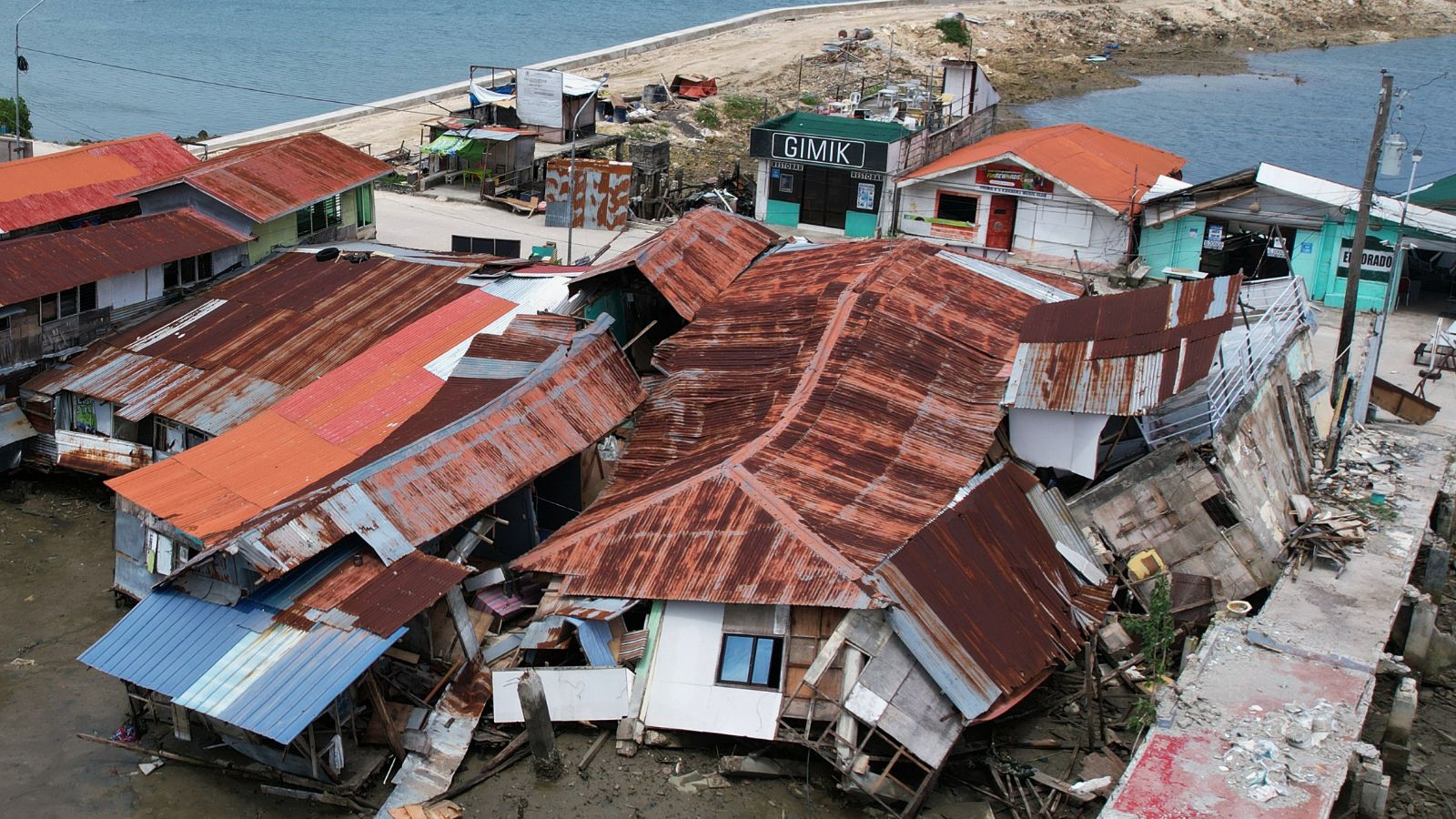
As of June 8, 2026, the government has prioritized the safety of citizens in the southern provinces. Updates will be released as they become available from the Department of Science and Technology (DOST), which oversees the nation’s geological and meteorological monitoring services. We will continue to track this developing situation and provide updates as verified information is released by the relevant national agencies.
We encourage our readers to share this information with those in the affected areas. If you have questions or updates from local official sources, please leave a comment below to help keep the community informed.
Related reading