
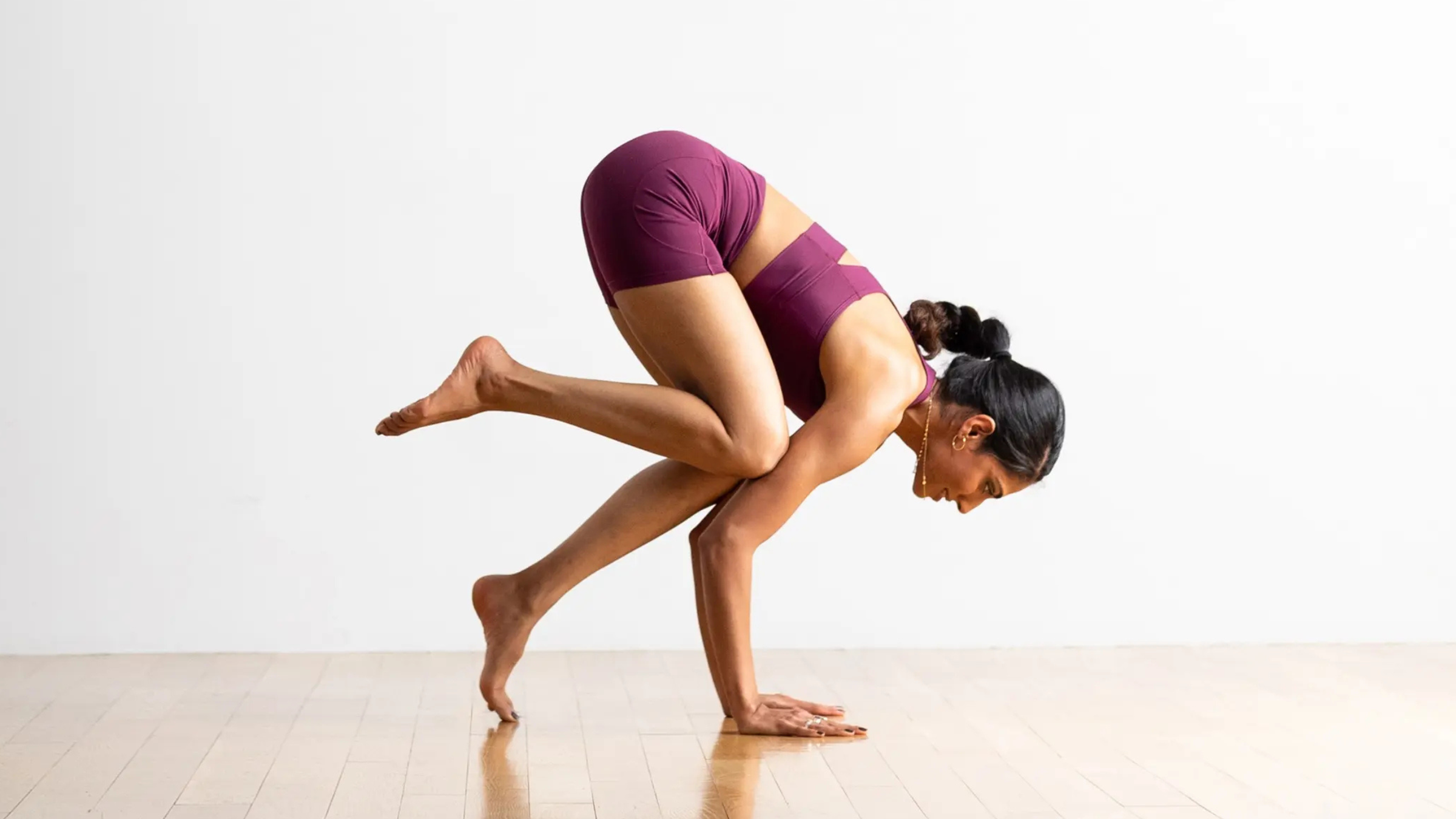
For yoga practitioners seeking to master arm balances, the journey involves more than just upper body strength. It requires a holistic approach that integrates discipline, trust, and full-body engagement. As noted by Yoga Journal, arm balances challenge practitioners to shift their center of gravity forward while relying on their arms for stability, a process that tests both physical capability and mental resilience.
These poses are often misunderstood as being solely about arm power, but experts emphasize that successful arm balancing depends on coordinated effort across the entire body. Engaging the core, activating the fingers and toes, and maintaining awareness through twists and foundational poses are essential to avoid straining the wrists and achieving a stable, balanced posture.
The practice of arm balances likewise invites introspection. Practitioners are encouraged to reflect on their motivations—whether driven by curiosity, achievement, ego, or the desire for progression—so they can approach each attempt with mindfulness and intention. This mindset helps transform repeated attempts into opportunities for growth rather than sources of frustration.
To support this process, structured yoga sequences that build toward arm balances can be particularly effective. Such practices prepare the body by developing the necessary strength, flexibility, and neuromuscular coordination. One example highlighted by Yoga Journal is a 20-minute intermediate flow designed specifically to prepare practitioners for Side Crow (Parsva Bakasana).
In this guided sequence, Cathy Madeo leads practitioners through a series of foundational poses including Plank, Side Plank, dynamic Cobra, and spinal twists. These movements work to awaken the core, stabilize the shoulders, and increase spinal mobility—all critical components for attempting arm balances safely. The flow also incorporates twisting Chair Pose as an accessible alternative for those not yet ready to attempt the full expression of Side Crow, ensuring inclusivity and gradual progression.
By focusing on preparation rather than immediate achievement, such sequences support practitioners cultivate the embodied strength and awareness needed to eventually find a “still point of true balance.” This approach aligns with broader yoga principles that value process over perfection and encourage practitioners to listen to their bodies while working toward challenging poses.
Beyond physical preparation, arm balances offer psychological benefits. Successfully navigating the fear of falling and learning to “fail better” fosters resilience and self-trust. Each attempt, whether successful or not, reinforces the practitioner’s ability to stay present, adjust alignment, and endeavor again with greater awareness—a skill that extends beyond the mat into everyday life.
The growing availability of high-quality yoga instruction online has made it easier for practitioners worldwide to access guided practices tailored to specific goals like arm balancing. Platforms such as YouTube host numerous channels offering structured sequences led by experienced instructors, allowing individuals to practice at their own pace and revisit key lessons as needed.
For those interested in exploring arm balances through video guidance, several reputable yoga teachers and studios regularly publish content focused on building toward these poses. Searching for terms like “arm balance preparation,” “Side Crow tutorial,” or “intermediate arm balance flow” can yield relevant results from certified instructors who emphasize safety, alignment, and progressive development.
This proves crucial to approach arm balances with patience and consistency. Progress may be non-linear, with some days feeling stronger than others. Regular practice of preparatory poses, combined with mindful attention to breath and body awareness, increases the likelihood of steady improvement over time.
arm balances serve as a metaphor for the broader yoga journey: they require strength, yes, but also humility, persistence, and a willingness to engage with discomfort as part of growth. By preparing the body thoughtfully and approaching the practice with curiosity rather than judgment, practitioners can transform these challenging poses into meaningful milestones in their evolution—both on and off the mat.