
United States immigration authorities have implemented stricter screening protocols for pregnant travelers at ports of entry, citing concerns over “birth tourism,” a practice where foreign nationals travel to the U.S. specifically to secure citizenship for their children. Under the 14th Amendment of the U.S. Constitution, individuals born on U.S. soil are granted automatic citizenship, a policy that remains a central point of contention in federal immigration enforcement. According to U.S. Citizenship and Immigration Services (USCIS), while pregnancy itself is not grounds for inadmissibility, consular officers and border agents are empowered to deny entry if they believe the applicant intends to remain in the country permanently without authorization or lacks the financial means to cover medical expenses.
The issue gained significant federal attention in January 2020, when the U.S. Department of State issued a final rule amending its regulations for B-1/B-2 non-immigrant visas. This policy change explicitly stated that the determination that an applicant is traveling for the primary purpose of obtaining U.S. citizenship for a child constitutes a legitimate basis for the denial of a tourist visa. The Federal Register documentation confirms that consular officers must evaluate whether the applicant has a “legitimate purpose” for travel, which excludes giving birth in the U.S. as a primary motive.
The Legal Framework Governing Entry
The U.S. government does not have a blanket ban on pregnant travelers entering the country. However, the intersection of visa eligibility and the “public charge” rule creates a complex vetting process. When a foreign national applies for a visa, they must demonstrate they are not likely to become a public burden. Because medical care in the U.S. is expensive, border officials frequently assess whether a pregnant woman has arranged for private payment of hospital costs. As reported by the U.S. Department of State, if an officer determines that an individual intends to use public medical services or bypass immigration laws, they have the authority to revoke or deny entry at the border.
This enforcement is not uniform and relies heavily on the discretion of the Customs and Border Protection (CBP) officer. Travelers are often asked to provide documentation regarding their travel itinerary, proof of financial stability, and evidence of health insurance that covers international maternity care. The absence of such documentation is often interpreted as a “red flag,” leading to secondary screening or immediate denial of entry. The U.S. Customs and Border Protection maintains that its primary mission remains the security of the border, and the prevention of unauthorized immigration, including birth tourism, falls under its regulatory mandate.
Public Health and Global Disparities
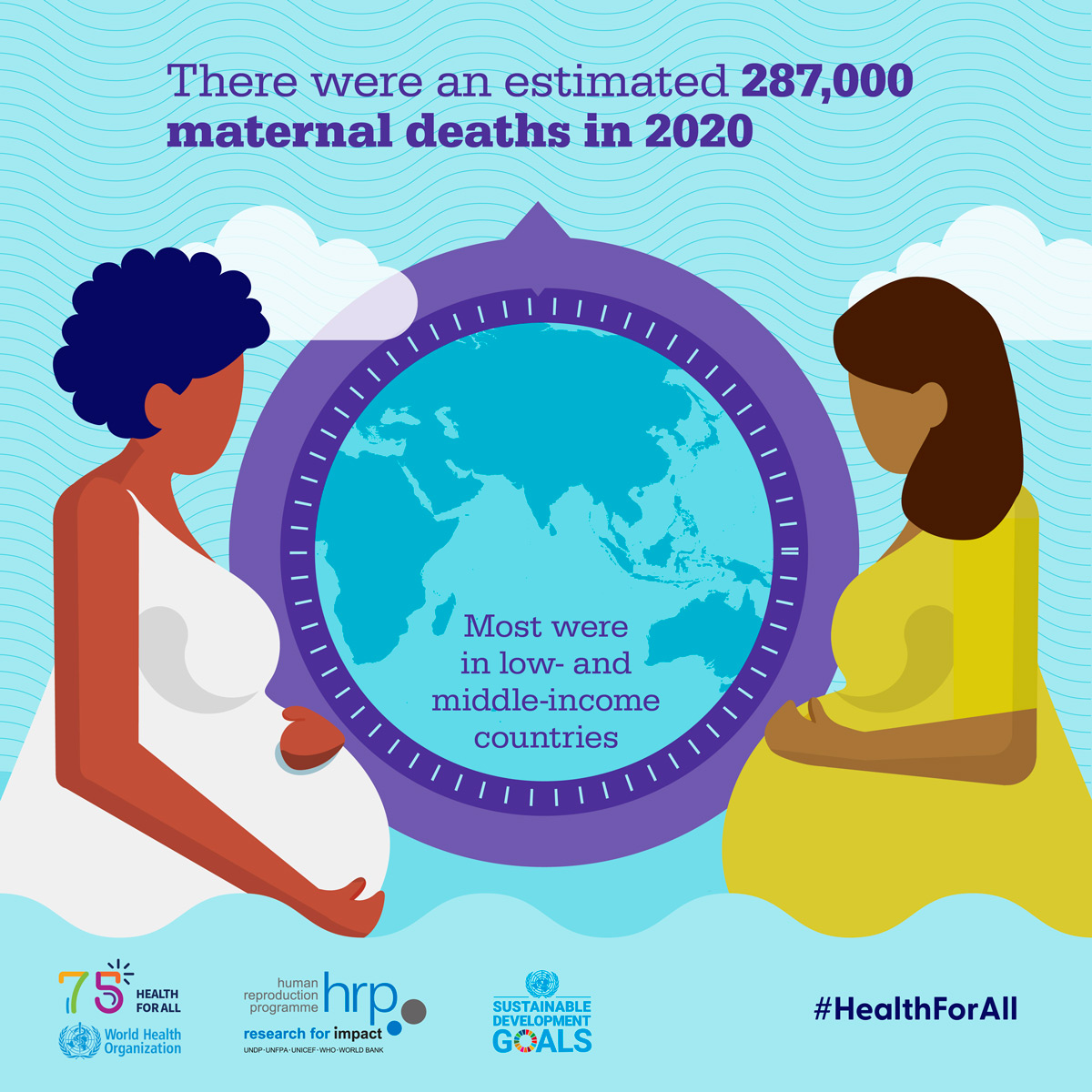
The debate surrounding birth tourism often ignores the underlying health disparities that drive international travel. In many countries, particularly those with high rates of maternal mortality, families may seek medical care abroad due to a perceived lack of adequate infrastructure at home. For instance, data from the World Health Organization (WHO) highlights that maternal mortality rates remain disproportionately high in several developing nations. While the U.S. immigration policy focuses on the legal status of the child, medical experts argue that the desperation driving such travel is often rooted in systemic health failures in the traveler’s country of origin.
The ethical dimension of this policy is frequently debated in international forums. Advocates for migrants argue that denying entry to pregnant women can put both the mother and the fetus at risk if they are forced to return to regions with limited medical resources. Conversely, proponents of stricter enforcement maintain that the U.S. immigration system cannot be used as a global safety net for medical care. The United Nations has previously emphasized the importance of access to maternal health, though it acknowledges the sovereign right of nations to regulate their borders according to their own legislative frameworks.
Guidance for International Travelers
For individuals planning international travel during pregnancy, understanding the specific requirements of the destination country is essential. In the U.S., travelers should be prepared to present clear evidence of their intent to return home and their ability to pay for any potential medical services. This includes, but is not limited to, bank statements, a return flight ticket, and travel insurance policies that explicitly cover pregnancy-related complications.
It is important to note that CBP officers have the final say on admission. There is no official “appeals” process at the port of entry for a denied traveler; once a decision is made, the individual is generally placed on a return flight. For those seeking official updates on visa policies, the U.S. Department of State’s Travel website serves as the primary source for current regulations. Relying on third-party agencies or “birth tourism” facilitators—which often charge significant fees for services that cannot guarantee legal entry—is highly discouraged by federal authorities, as these entities often operate in a legal gray area and may provide misleading information regarding U.S. immigration law.
The next major policy review or legislative discussion regarding birthright citizenship and visa screening remains subject to the priorities of the current administration and potential congressional action. As of early 2024, no new federal legislation has effectively replaced the 2020 visa rule, meaning current standards remain in effect. Readers are encouraged to share their experiences or questions in the comments section below for community discussion on how these policies impact international travel.