Speculation regarding the potential political trajectory of Raúl Guillermo Rodríguez Castro, the grandson of former Cuban leader Raúl Castro, has surfaced in recent commentary, with some observers drawing theoretical parallels to the reformist legacy of Mikhail Gorbachev. However, there is no official or verified evidence to suggest that Rodríguez Castro, who serves as the head of his grandfather’s personal security detail, is positioning himself for a transition toward democratic or market-oriented reforms. The assertions, which include hyperbolic suggestions of international recognition, remain outside the scope of current Cuban political reality.
Raúl Guillermo Rodríguez Castro, often referred to in state media and by observers as “El Cangrejo” (The Crab), holds a significant role within the apparatus of the Cuban state as the lead of the Seguridad Personal. His position is defined by his proximity to the inner circle of the Communist Party of Cuba (PCC) leadership rather than by independent policy-making authority or a public platform for governance. The Cuban political system, as outlined in the Constitution of the Republic of Cuba, maintains a centralized structure where authority is vested in the Party and the National Assembly of People’s Power, leaving little room for individual reformist agendas of the type historically associated with Gorbachev’s glasnost and perestroika.
The Gorbachev Comparison in Context
The comparison to Mikhail Gorbachev, the final leader of the Soviet Union, typically relies on the premise of a top-down dismantling of an authoritarian system. In the context of Cuba, such a narrative ignores the fundamental differences between the 1980s Soviet Union and the current Cuban administration. According to analysis from the Council on Foreign Relations, the Cuban government has consistently prioritized institutional stability and the preservation of the socialist model, even while facing severe economic crises and widespread civil unrest.
Those who suggest that figures within the Castro family might initiate a “Gorbachev-style” opening often point to the generational shift occurring within the island’s leadership. Since Miguel Díaz-Canel assumed the presidency in 2018, the U.S. Department of State has reported no significant deviation from the core tenets of the one-party state. The security apparatus, which Rodríguez Castro oversees, remains a pillar of state control, tasked with ensuring the stability of the leadership against both internal dissent and external pressure.
Security Roles and Political Influence
In the Cuban power structure, the security detail of the leadership is not a platform for political reform. Rodríguez Castro’s professional life has been dedicated to the protection of the Castro family, a role that necessitates deep integration with the military and intelligence services. The Human Rights Watch reports on Cuba characterize the internal security environment as highly restrictive, with the security forces playing a primary role in monitoring and suppressing political opposition. There is no public record of Rodríguez Castro advocating for the liberalization of these institutions.
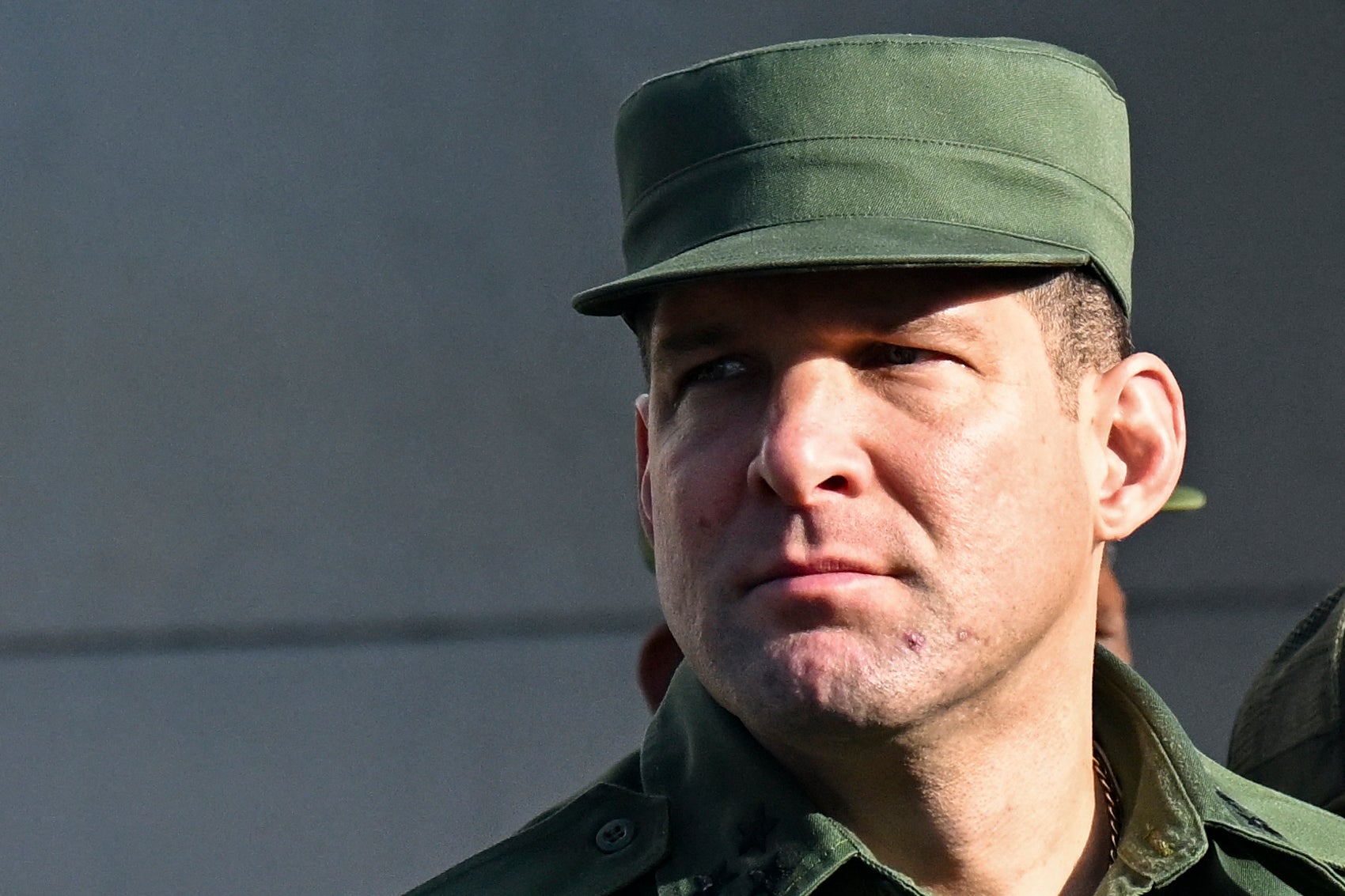
The suggestion that such an official could be a candidate for international accolades, such as the Nobel Peace Prize, lacks any foundation in the activities or public statements of the individual. The Nobel Foundation maintains strict criteria for nominations, which are typically based on documented contributions to peace, disarmament, or humanitarian progress. No credible international body or political analyst has linked Rodríguez Castro to such initiatives.
Institutional Stability and the Future
Analysts monitoring Cuba’s political transition often emphasize that change, if it occurs, is more likely to be driven by economic necessity or bottom-up social pressure than by the initiative of an individual security official. The Economist has noted that the current administration is grappling with the worst economic crisis since the collapse of the Soviet Union, characterized by high inflation and a shortage of basic goods. These pressures have forced the government to implement limited economic reforms, such as the expansion of the private sector (mipymes), but these measures remain tightly controlled by state authorities.
For observers of Cuban politics, the focus remains on the National Assembly of People’s Power and the internal deliberations of the Communist Party. Predictions regarding the evolution of the Cuban state are frequently complicated by the opaque nature of the decision-making process within the Cuban government. As of the latest official updates from Havana, the government continues to reaffirm its commitment to the existing constitutional framework.
Readers interested in the official legislative and policy updates from the island may consult the Gaceta Oficial de la República de Cuba, which serves as the primary source for all legal and administrative changes in the country. There are no scheduled public events or policy shifts that indicate a change in the security or political status of the Castro family’s inner circle. We will continue to monitor official reports and provide updates as verified information becomes available. We invite readers to share their analysis or questions regarding Cuban political developments in the comments section below.
Worth a look