
Maternal sepsis remains one of the most critical challenges facing the United States healthcare system, acting as a severe and potentially life-threatening response to infection during pregnancy, childbirth, or the postpartum period. As a significant contributor to pregnancy-related deaths, the condition underscores an urgent need for early detection, timely treatment and equitable access to care across all demographics.
The gravity of this issue is highlighted by the fact that maternal sepsis is the third leading cause of pregnancy-related deaths in the U.S. Still, these outcomes are not evenly distributed. Data indicates that maternal health outcomes vary significantly across the population, raising fundamental questions about the quality of care, systemic awareness, and the accessibility of medical resources for marginalized groups.
These systemic disparities are at the forefront of Black Maternal Health Week, observed from April 11-17, 2026. This week serves as a critical call to action to address the enduring legacies of reproductive injustices and health inequities that continue to impact Black mothers and birthing people.
The 2026 Focus: Rooted in Justice and Joy
The 2026 observance of Black Maternal Health Week (#BMHW26) marks a significant 10-year anniversary for the movement. This year, the official theme is “Rooted in Justice & Joy,” reflecting a commitment to nurturing thriving families and shaping a liberated future rooted in healing and restoration via the official Black Maternal Health Week site.
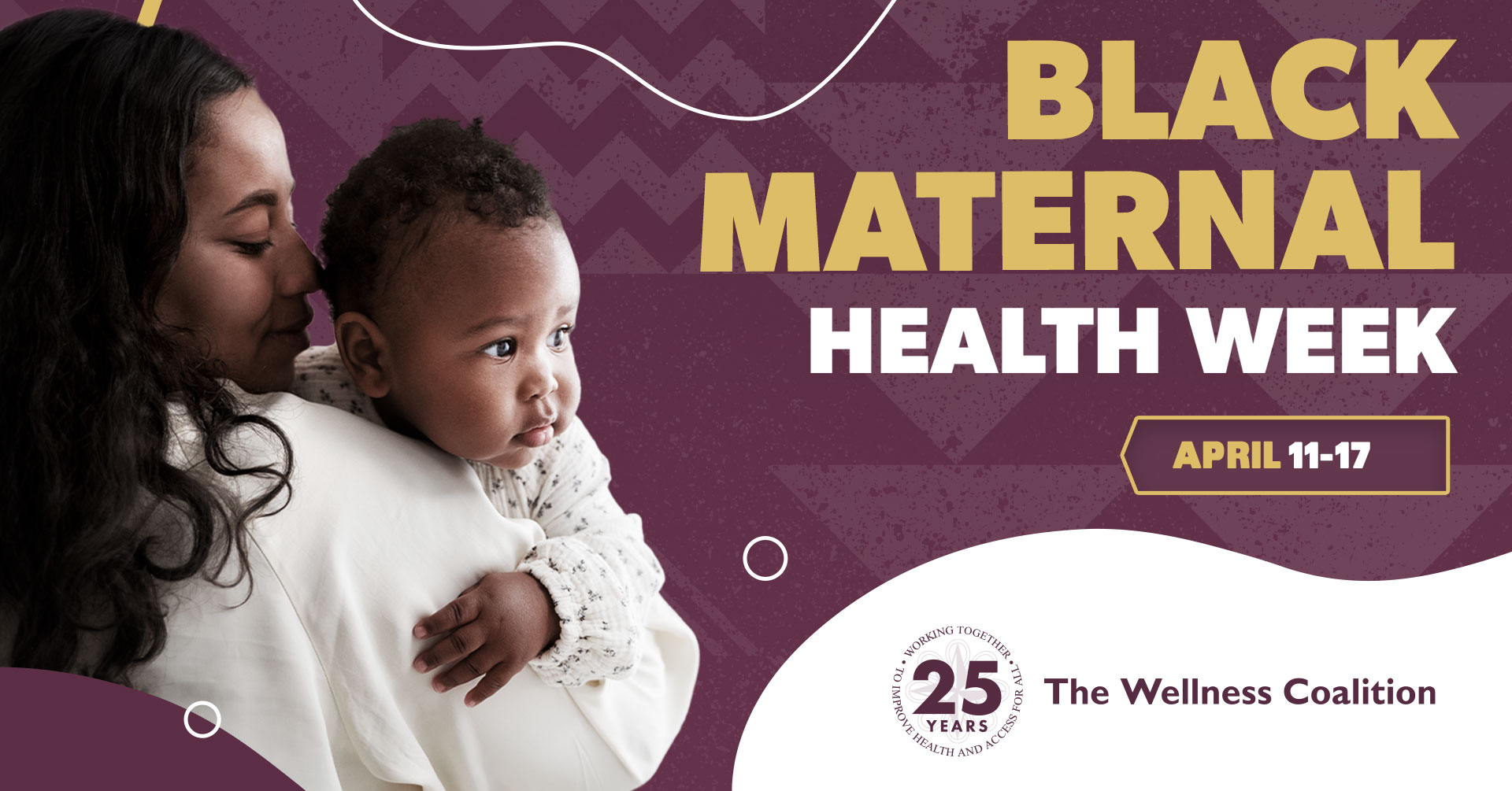
The movement emphasizes that the leadership and expertise of Black community-based organizations are the foundation for advancing equity. By focusing on collective action, advocates and Black-led organizations aim to lead advocacy efforts, shape policies, and amplify solutions to ensure transformative and sustainable improvements in Black maternal health.
This approach acknowledges that the disparities seen in maternal sepsis and other pregnancy-related complications are not accidental, but are the result of systemic oppression and health inequities. The goal is to move toward a future where the power of community and unity creates a safe environment for all Black Mamas and families to thrive.
Understanding Maternal Sepsis and Systemic Risk
Maternal sepsis occurs when the body’s response to an infection during or after pregnancy triggers systemic inflammation, which can lead to organ failure if not treated immediately. Because it can manifest rapidly, the window for intervention is narrow, making the speed of diagnosis a matter of life and death.
The disparities in outcomes are often linked to broader challenges within the healthcare system. When maternal health outcomes are not evenly distributed, it suggests that certain populations may face delays in diagnosis or receive a lower standard of care. This is particularly evident in the context of Black maternal health, where systemic barriers often intersect with medical emergencies like sepsis.
Organizations such as the Sepsis Alliance highlight the intersection of maternal health and sepsis, providing resources to increase awareness and improve outcomes during Black Maternal Health Week according to Sepsis Alliance.
Key Takeaways on Maternal Health Equity
- Sepsis Impact: Maternal sepsis is the third leading cause of pregnancy-related deaths in the United States.
- Systemic Disparities: Health outcomes are not evenly distributed, with Black birthing people facing higher risks due to systemic inequities.
- Collective Action: The 2026 theme “Rooted in Justice & Joy” emphasizes the role of Black-led organizations in driving systemic change.
- Urgency of Care: Early detection and equitable access to timely treatment are the primary drivers in reducing sepsis-related mortality.
Advancing Policy and Community Action
To combat these disparities, the Black Maternal Health Week initiative provides a Resolution Guide. This tool is designed for advocates, community members, and elected officials to introduce and champion Black Maternal Health Week resolutions within their respective states, turning awareness into legislative action.
The movement’s evolution is evident in its shifting themes. While the 2026 focus is on “Justice and Joy,” the 2025 theme, “Healing Legacies: Strengthening Black Maternal Health Through Collective Action and Advocacy,” previously emphasized the power of reproductive health organizations to drive systemic change per the 2025 BMHW Toolkit.
By integrating community-based expertise with policy advocacy, the goal is to dismantle the barriers that lead to higher rates of maternal sepsis and mortality among Black women. This includes improving the quality of care provided in clinical settings and ensuring that birthing people are heard and believed by their healthcare providers.
As the community marks this 10-year milestone in 2026, the focus remains on a liberated future where health equity is a reality for every mother, regardless of race or socioeconomic status.
The current window for Black Maternal Health Week concludes on April 17, 2026. Community members and advocates are encouraged to utilize the official toolkit to engage in local advocacy and support Black-led perinatal health organizations.
Do you have experience with maternal health advocacy or insights on improving healthcare equity? Share your thoughts in the comments below.
Worth a look