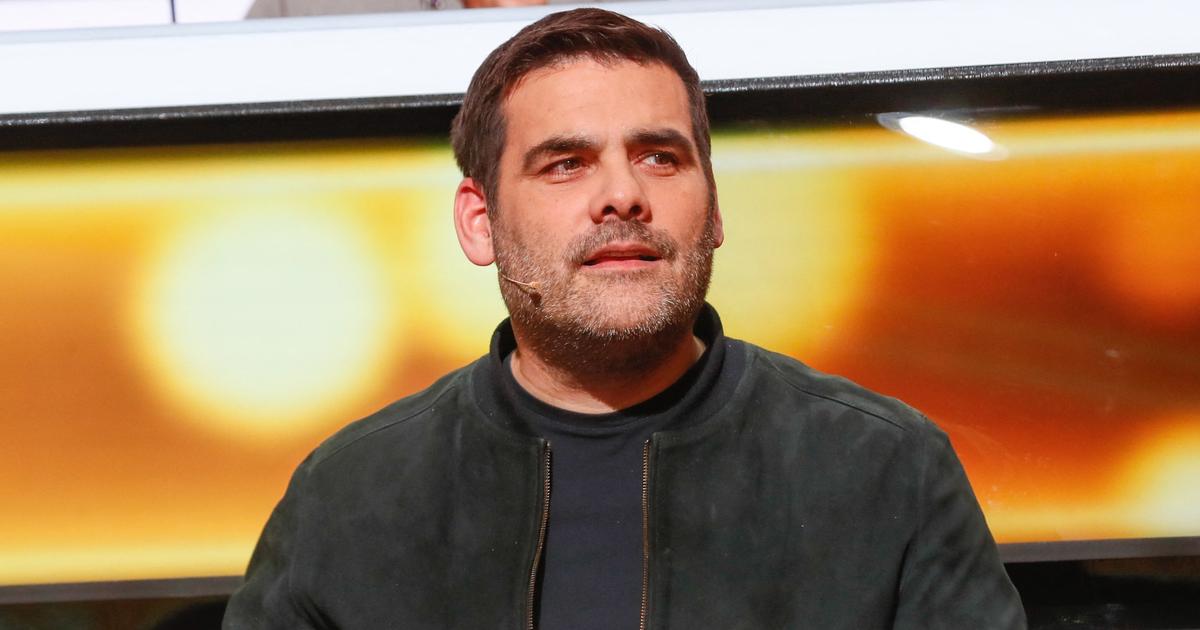
French sports journalist Matthieu Lartot has publicly addressed the personal toll of his recurring synovial sarcoma, specifically detailing the profound anxiety he experiences regarding the future of his two children, Noah and Jeanne. After undergoing multiple treatments for the rare form of cancer, Lartot has been transparent about the emotional burden that accompanies his recovery and the uncertainty inherent in a diagnosis of this nature.
As a medical professional and journalist, I recognize that Lartot’s experience highlights a critical aspect of chronic illness: the psychological impact on familial structures. For many patients, the fear of leaving children behind often outweighs the physical pain of the illness itself. Lartot has navigated this reality while maintaining a high-profile career in sports broadcasting, frequently sharing updates to raise awareness about the disease and the importance of early diagnosis.
The Medical Journey of Matthieu Lartot
Matthieu Lartot first faced a cancer diagnosis in his youth, specifically at age 16, which resulted in the amputation of his leg. Decades later, in 2023, he announced that the cancer had returned in his knee, a development that required aggressive intervention. According to reports confirmed by the journalist through his social media channels and interviews with major French media outlets, the treatment plan involved rigorous chemotherapy sessions aimed at eradicating the tumor.
Synovial sarcoma is a rare soft-tissue malignancy. According to the National Cancer Institute, soft tissue sarcomas can occur anywhere in the body, and treatment typically involves a multidisciplinary approach, often combining surgery, radiation therapy, and systemic chemotherapy. Lartot’s candid documentation of his recovery, including his return to the screen, has been widely noted for its impact on public understanding of disability and resilience.
Addressing Parental Anxiety and Family Support
The emotional core of Lartot’s recent public statements concerns his children, Noah and Jeanne. In various interviews, Lartot has expressed that the most difficult aspect of his illness is the potential for it to disrupt their lives or cause them distress. He has emphasized that his primary motivation for recovery is his desire to remain a present and active father.
Parental cancer is a significant stressor for children, and psychological support is often recommended by oncology departments to help families navigate these transitions. Lartot’s openness about his vulnerability serves as a reminder that even those in the public eye face universal human struggles when confronted with life-altering health challenges. His ability to balance his professional duties with his role as a parent has been a focal point of his public narrative.
The Impact of Public Advocacy
Beyond his personal experience, Lartot has become an advocate for cancer research and the normalization of conversations surrounding disability in the workplace. By returning to his role at France Télévisions, he has provided a visible example of how individuals can continue to contribute to their fields while managing serious health conditions. His journey is documented in his book, On n’est pas guéri, on est en rémission, where he explores the nuances of living with a history of cancer.
For readers affected by similar circumstances, resources such as the Institut National du Cancer (INCa) in France provide comprehensive guides on managing the social and emotional impacts of a cancer diagnosis. Lartot’s story underscores the necessity of having a robust support system, both medical and familial, when managing the long-term effects of a recurrence.
Moving Forward with Resilience
As Lartot continues his journey, his focus remains on his health and his family. The sports broadcaster has frequently stated that he views his work as a source of stability and normalcy. There is no indication of further medical complications at this time, and he continues to participate in major sports coverage, demonstrating a commitment to his profession that has garnered significant respect from his peers and the public.
We will continue to follow updates regarding his health and his ongoing advocacy work as they become available through official channels. The intersection of personal health and public life remains a complex space, and Lartot’s approach offers a framework for others managing similar health trajectories. We invite our readers to share their thoughts or experiences in the comments section below.