Imported Measles Cases in Colombia Linked to Travel to Mexico Raise Public Health Concerns
Bogotá, Colombia – Health authorities in Colombia have confirmed four imported cases of measles, all linked to recent travel to Mexico. The cases, identified in Bogotá and Bucaramanga, underscore the ongoing risk of international transmission of infectious diseases and highlight the importance of vaccination. This development comes as public health officials worldwide remain vigilant against outbreaks of preventable illnesses, particularly in regions with varying vaccination rates. The cases were confirmed by the National Health Institute (INS) on March 15, 2024, prompting increased surveillance and public health messaging.
Measles, a highly contagious viral infection, can lead to serious complications, including pneumonia, encephalitis, and even death. Although Colombia has made significant strides in controlling measles through vaccination programs, imported cases pose a continuous threat, especially given the global resurgence of the disease in recent years. The World Health Organization (WHO) reported a significant increase in measles cases globally in 2022, reversing years of progress towards elimination. The WHO emphasizes that outbreaks are often driven by gaps in vaccination coverage.
Case Details and Demographic Information
According to the INS, three of the confirmed measles cases were detected in Bogotá, the capital city, while one case was identified in Bucaramanga, a major city in northeastern Colombia. Of the four individuals affected, three are male. The age distribution of the cases indicates two individuals are between 20 and 29 years old, and the other two fall within the 30 to 39 age group. This age range suggests that these individuals may have been vaccinated as children but could require booster doses, or their immunity may have waned over time.
Diana Pava, the director of the INS, stated that the cases were identified through epidemiological surveillance and laboratory confirmation. Pava explained that the additional case reported in Bogotá was part of the ongoing epidemiological investigation. The institute is actively tracing contacts of the confirmed cases to prevent further spread of the virus.
Vaccination Status and Public Health Response
The vaccination status of the affected individuals presents a complex picture. Three of the patients reported having received measles vaccination, however, this information is currently considered “unknown” due to a lack of official documentation or registration within the PAIWEB application, Colombia’s national vaccination registry. The fourth case has confirmed vaccination records. This discrepancy highlights the challenges in verifying vaccination history and the importance of maintaining accurate and accessible immunization records.
Currently, none of the confirmed cases have required hospitalization, experienced complications, or resulted in fatalities. Crucially, health officials have not yet identified any secondary transmission chains within Colombia, indicating that the virus has not spread beyond the initial imported cases. However, the INS is maintaining a high level of vigilance and is prepared to implement additional public health measures if necessary. These measures could include targeted vaccination campaigns in affected areas and enhanced surveillance of potential contacts.
The Situation in Mexico and Global Measles Trends
The origin of these imported cases in Mexico is particularly noteworthy, given recent reports of measles outbreaks in various parts of the country. Reports from Acento detail a measles outbreak at an ICE detention center in Texas, linked to individuals who had recently been in Mexico. Similarly, SinEmbargo reports that a child traveling from the United States to Mexico brought the virus with them, initiating a spread within Mexico. These interconnected outbreaks demonstrate the ease with which measles can cross borders and the importance of coordinated international efforts to control the disease.
The Pan American Health Organization (PAHO) has been actively monitoring the situation in Mexico and providing technical assistance to strengthen vaccination programs and outbreak response efforts. PAHO has repeatedly warned of the risk of measles resurgence in the Americas due to declining vaccination rates, particularly in the wake of the COVID-19 pandemic, which disrupted routine immunization services.
Preventive Measures and Recommendations
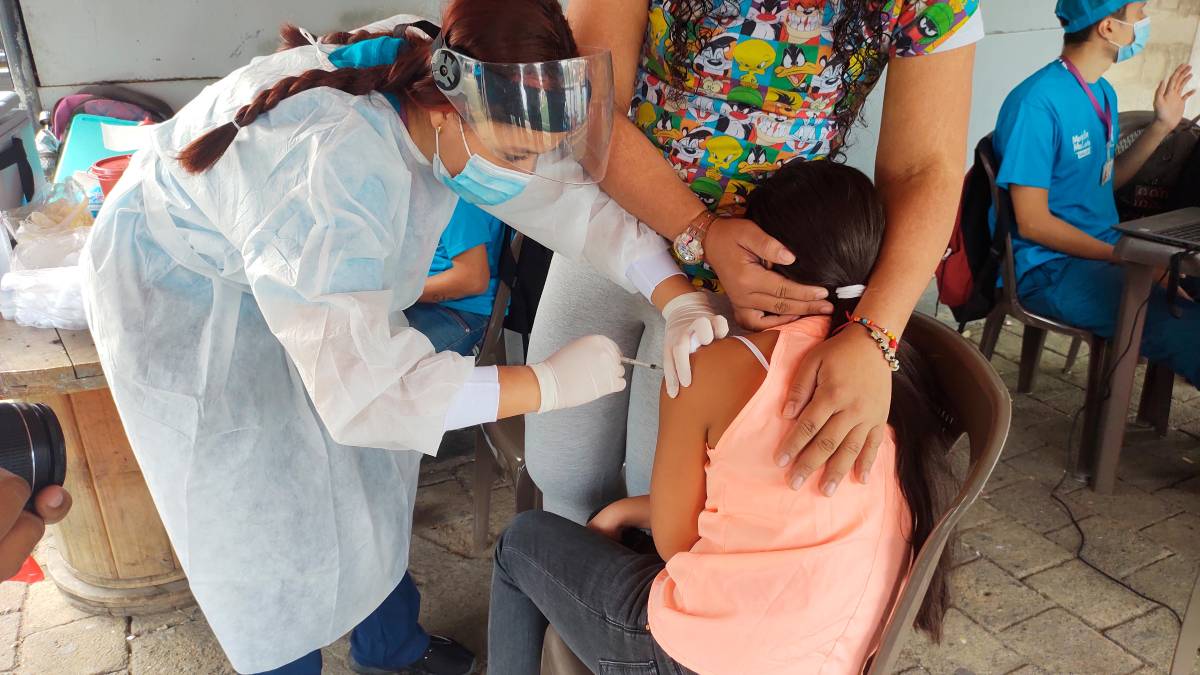
Health officials in Colombia are urging individuals to verify their measles vaccination status and to get vaccinated if they are unsure or have not received two doses of the measles, mumps, and rubella (MMR) vaccine. The MMR vaccine is highly effective in preventing measles and is recommended for all individuals, regardless of age. El Universal provides information on where to get vaccinated in Mexico City.
Travelers planning to visit Mexico or other regions experiencing measles outbreaks are strongly advised to ensure they are fully vaccinated before departure. Individuals who develop symptoms of measles, such as fever, rash, cough, and conjunctivitis, should seek medical attention immediately and inform their healthcare provider of their recent travel history. Early diagnosis and isolation are crucial to prevent further spread of the virus.
Key Takeaways:
- Four imported measles cases have been confirmed in Colombia, all linked to travel to Mexico.
- The cases highlight the ongoing risk of international measles transmission and the importance of vaccination.
- Mexico is currently experiencing measles outbreaks, contributing to the risk of imported cases in neighboring countries.
- Health officials urge individuals to verify their vaccination status and get vaccinated if necessary.
The INS will continue to monitor the situation closely and provide updates as new information becomes available. Public health officials emphasize that maintaining high vaccination coverage is the most effective way to protect individuals and communities from measles. Stay informed about the latest developments and consult with your healthcare provider for personalized advice.
Keep reading