Measles Resurgence Sparks Global Alarm: Why Crowded Spaces Are Now High-Risk Zones
BERLIN — A silent but rapidly spreading threat is putting millions at risk as measles cases surge across Europe and beyond, prompting health authorities to issue urgent warnings about crowded public spaces. Once considered nearly eradicated in many high-income countries, the highly contagious virus is making a dangerous comeback, fueled by declining vaccination rates and increased global travel. As of April 2026, outbreaks have been reported in at least 17 European countries, with Turkey and parts of Central Asia also experiencing significant spikes, according to the European Centre for Disease Prevention and Control (ECDC).
Dr. Hans Kluge, Regional Director for Europe at the World Health Organization (WHO), described the situation as “a ticking time bomb.” In a statement released last week, Kluge warned that “measles does not respect borders, and its resurgence is a stark reminder of how quickly infectious diseases can rebound when immunity gaps emerge.” The virus, which spreads through respiratory droplets, can linger in the air for up to two hours after an infected person has left a room, making crowded environments like schools, public transport, and shopping centers particularly high-risk.
The resurgence has been most acute in regions where vaccination coverage has fallen below the 95% threshold needed to maintain herd immunity. In Turkey, for example, measles cases have increased by 400% since 2024, with over 12,000 confirmed cases reported in the first four months of 2026 alone. Meanwhile, in Europe, countries like Romania, Germany, and the United Kingdom have seen outbreaks in communities with low vaccination rates, often driven by misinformation and vaccine hesitancy. The situation has raised concerns among public health experts, who fear that complacency and misinformation could reverse decades of progress in controlling the disease.
Why Measles Is Far More Dangerous Than Many Realize
Measles is often mistakenly dismissed as a mild childhood illness, but the reality is far more severe. The virus can lead to serious complications, including pneumonia, encephalitis (swelling of the brain), and even death. According to the WHO, measles is one of the leading causes of death among young children globally, despite the availability of a safe and effective vaccine. In 2023, the disease claimed over 136,000 lives worldwide, most of them children under the age of five.

One of the most insidious aspects of measles is its ability to weaken the immune system for years after infection, a phenomenon known as “immune amnesia.” A 2020 study published in *Science* found that measles can erase the body’s immune memory, leaving survivors vulnerable to other infections for up to three years. This means that even if a child survives measles without immediate complications, they may face an increased risk of severe illness from other pathogens long after recovery.
Dr. Fiona van der Klis, a virologist at the Dutch National Institute for Public Health and the Environment (RIVM), emphasized the long-term risks in a recent interview with *The Lancet*. “Measles isn’t just about the rash or the fever,” she said. “It’s about the lasting damage it can do to the immune system. We’re seeing children who had measles years ago now struggling with recurrent infections that their bodies should be able to fight off.”
The Role of Vaccine Hesitancy in the Current Crisis
The resurgence of measles is closely tied to declining vaccination rates, a trend that has been exacerbated by misinformation and distrust in public health institutions. In some communities, particularly in Eastern Europe and parts of Central Asia, vaccine hesitancy has reached alarming levels. A 2025 UNICEF report found that in several countries, including Turkey and Romania, measles vaccination rates among children have dropped below 80%, well short of the 95% needed to prevent outbreaks.
In Erzurum, a province in eastern Turkey, local health officials have raised concerns about a growing anti-vaccine movement. According to data from the Erzurum Provincial Health Directorate, vaccination rates for the measles, mumps, and rubella (MMR) vaccine fell to 72% in 2025, down from 92% in 2015. This decline has left thousands of children unprotected, creating a fertile ground for the virus to spread. “We are seeing entire neighborhoods where parents are refusing to vaccinate their children,” said Dr. Mehmet Yılmaz, a pediatrician in Erzurum. “This is not just a personal choice—it’s a public health emergency.”
The reasons behind vaccine hesitancy are complex and vary by region. In some cases, it stems from religious or cultural beliefs, while in others, This proves driven by misinformation spread through social media. A 2024 study in *Nature Human Behaviour* found that false claims about vaccines—such as the debunked link between the MMR vaccine and autism—continue to circulate widely online, despite overwhelming scientific evidence to the contrary. These myths have proven difficult to counter, even as health authorities ramp up public awareness campaigns.
How Measles Spreads and Who Is Most at Risk
Measles is one of the most contagious viruses known to humans. According to the U.S. Centers for Disease Control and Prevention (CDC), a person with measles can infect up to 90% of the people they come into close contact with if those individuals are not immune. The virus spreads through respiratory droplets when an infected person coughs or sneezes, and it can remain airborne for hours in enclosed spaces. This makes crowded environments—such as schools, public transport, and shopping malls—ideal breeding grounds for transmission.
While measles can affect people of all ages, certain groups are at higher risk of severe complications. These include:
- Infants and young children: Children under the age of five are most vulnerable to severe illness and death from measles. In 2023, nearly 75% of measles-related deaths occurred in this age group.
- Pregnant women: Measles during pregnancy can lead to miscarriage, premature birth, or low birth weight. Pregnant women who are not immune to measles are advised to avoid contact with infected individuals.
- Immunocompromised individuals: People with weakened immune systems, such as those undergoing chemotherapy or living with HIV, are at higher risk of severe complications if they contract measles.
- Unvaccinated individuals: Anyone who has not received the MMR vaccine or has not had measles in the past is at risk of infection. This includes adults who may have missed vaccination as children.
Symptoms of measles typically appear 7–14 days after exposure and include high fever, cough, runny nose, and red, watery eyes. A few days later, a characteristic rash develops, starting on the face and spreading downward. While most people recover within a few weeks, complications can be life-threatening. Pneumonia, which occurs in about 1 in 20 children with measles, is the most common cause of death from the disease.
What Can Be Done to Stop the Spread?
Health authorities are urging immediate action to curb the spread of measles, including:
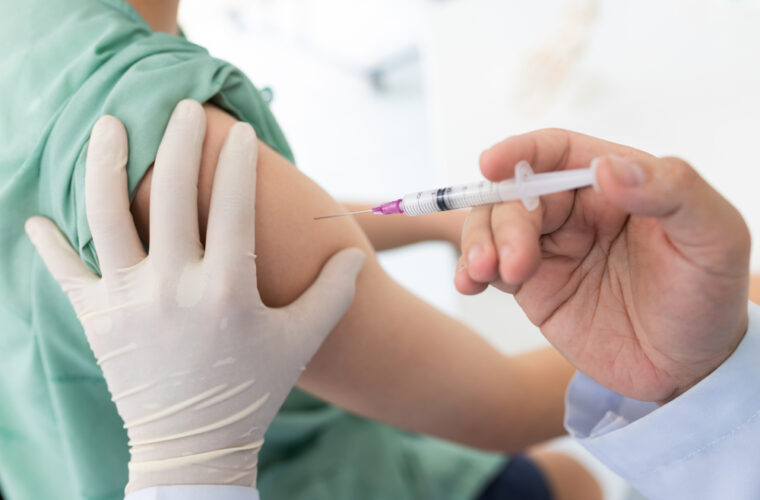
- Vaccination: The MMR vaccine is the most effective way to prevent measles. It is safe, widely available, and provides long-lasting immunity. The WHO recommends two doses of the vaccine for full protection, with the first dose given at 12–15 months of age and the second at 4–6 years. Adults who are unsure of their vaccination status should consult their healthcare provider.
- Avoiding crowded spaces: In areas with active outbreaks, health officials advise avoiding crowded public spaces, particularly for unvaccinated individuals or those at high risk of complications. If avoidance is not possible, wearing a well-fitting mask can reduce the risk of transmission.
- Isolation and quarantine: Individuals who suspect they have measles should isolate themselves immediately and seek medical advice. Health authorities may also implement quarantine measures for close contacts of confirmed cases.
- Public awareness campaigns: Governments and health organizations are ramping up efforts to counter misinformation and educate the public about the importance of vaccination. In Turkey, for example, the Ministry of Health has launched a nationwide campaign to increase MMR vaccination rates, targeting parents through social media, schools, and community centers.
Dr. Kluge of the WHO emphasized that the current crisis is preventable. “Measles is not an inevitable part of childhood,” he said. “With high vaccination coverage, we can eliminate this disease. The tools are in our hands—we just need the collective will to use them.”
Key Takeaways: What You Need to Know
- Measles is resurging globally: Cases are rising in Europe, Turkey, and Central Asia due to declining vaccination rates and increased travel.
- It’s highly contagious: The virus can spread through the air and linger in enclosed spaces for hours, making crowded areas high-risk.
- Complications can be severe: Measles can lead to pneumonia, encephalitis, and long-term immune system damage, even years after recovery.
- Vaccination is the best protection: The MMR vaccine is safe, effective, and widely available. Two doses are recommended for full immunity.
- Vaccine hesitancy is a major driver: Misinformation and distrust in public health institutions have led to declining vaccination rates in some communities.
- Action is needed now: Health authorities are urging vaccination, avoidance of crowded spaces, and public awareness campaigns to stop the spread.
What Happens Next?
The WHO and ECDC are closely monitoring the situation and are expected to release updated guidance for countries experiencing outbreaks in the coming weeks. In Turkey, the Ministry of Health has announced plans to expand vaccination campaigns in high-risk areas, including Erzurum, where vaccination rates have fallen sharply. Meanwhile, the European Union is considering new measures to improve vaccine access and counter misinformation, though details have not yet been finalized.
For now, the message from health authorities is clear: get vaccinated, avoid crowded spaces if you’re unvaccinated or at high risk, and stay informed. Measles is preventable, but only if we act together.
Have you or someone you know been affected by measles? Share your story in the comments below, and help raise awareness by sharing this article with your network.
Related reading