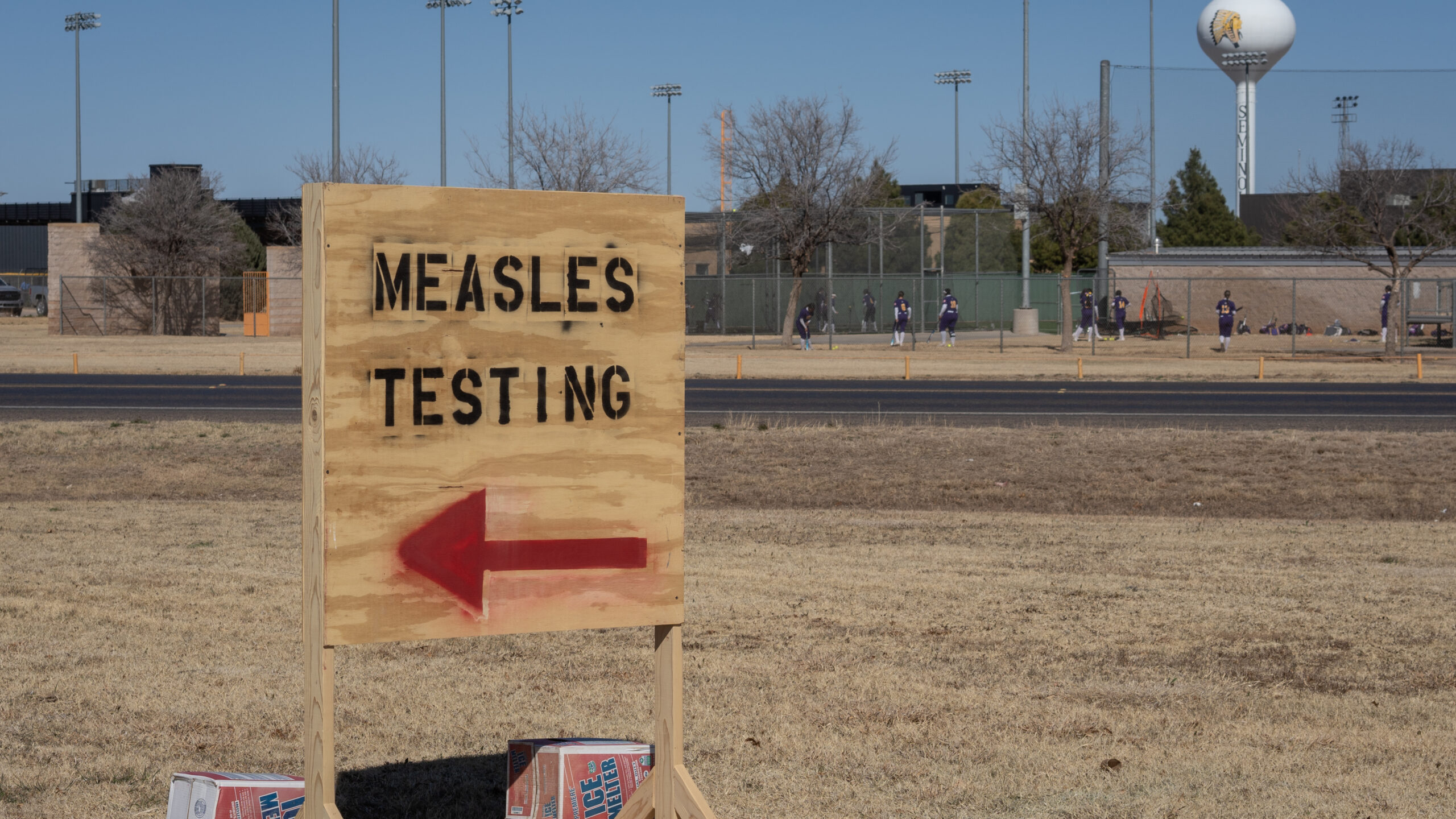
The Resurgence of Measles: A Warning Sign for Pandemic Preparedness
The recent rise in measles cases across the United States, and globally, isn’t simply a public health concern – it’s a stark indicator of vulnerabilities in our collective ability to respond to infectious disease threats. While measles is a highly contagious, vaccine-preventable illness, its reappearance highlights a concerning trend: eroding public trust in vaccination, weakening public health infrastructure, and a potential inability to effectively manage future outbreaks, whether from known pathogens or novel threats. The situation demands urgent attention, not just to contain the current outbreaks, but to fortify the systems that protect us all.
As of March 5, 2026, the Centers for Disease Control and Prevention (CDC) has reported 1,281 confirmed measles cases in the United States this year, spanning 31 jurisdictions. This figure already surpasses the 59 cases reported for the entirety of 2023. The vast majority – 1,137 cases – are linked to ongoing outbreaks, with 900 originating in 2025 and 237 beginning this year. These numbers underscore a significant escalation in transmission, signaling a potential for widespread outbreaks if preventative measures aren’t reinforced. The economic consequences of these outbreaks are substantial, with studies demonstrating the high cost of containment, medical expenses, and lost productivity.
The Economic Burden of Measles Outbreaks
The economic impact of measles extends far beyond individual medical bills. Countries have long recognized the economic benefits of measles elimination, stemming from reduced healthcare costs and increased productivity. A study published in October 2025 estimated the cost of containing measles outbreaks can reach tens of thousands of dollars per case. The 2018-2019 outbreak in Washington state, involving 72 cases, incurred a cost of $3.2 million, encompassing public health responses, medical care, and economic losses due to illness. A recent report by the Common Health Coalition found that even a modest 1 percent decline in measles, mumps, and rubella (MMR) vaccination coverage could cost the U.S. Billions of dollars across healthcare systems and the broader economy.
Measles as a Proxy for Public Health Resilience
Experts increasingly view a nation’s ability to control measles as a bellwether for its overall preparedness for infectious disease control. The strategies for containing measles – widespread vaccination, rapid case detection and isolation, contact tracing, and safe treatment – are fundamentally the same as those required for managing other infectious diseases, including novel pandemic threats. However, the recent resurgence of measles, coupled with increases in other vaccine-preventable diseases like whooping cough, suggests a weakening of these core public health capabilities.
Whooping cough, also known as pertussis, saw a sharp increase in cases in 2024 and remained elevated in 2025 compared to pre-pandemic levels, according to the CDC. This resurgence, alongside the measles outbreaks, points to a broader erosion of public trust in the fundamental tenets of public health. Declining MMR vaccination rates are a direct reflection of this waning confidence. Polling data from the Kaiser Family Foundation (KFF) reveals a concerning trend: less than half of Americans polled between 2023 and early 2026 expressed a “fair amount” of trust in the CDC to provide reliable vaccine information. This erosion of trust poses a significant challenge to effective public health interventions.
Vaccination Rates and Geographic Hotspots
Data from Washington State, as of March 6, 2026, provides a localized snapshot of the current situation. The state has confirmed 26 measles cases this year, with 21 (81%) linked to outbreaks within Washington and 5 (19%) linked to cases originating outside the state. Snohomish County accounts for the largest proportion of cases (14, or 54%), followed by Clark County (8, or 31%) and Stevens County (3, or 12%). Critically, 24 out of 26 confirmed cases (92%) involve unvaccinated individuals. No cases have been reported among individuals with two or more doses of a measles-containing vaccine, and no hospitalizations or deaths have been recorded to date. This data underscores the protective efficacy of vaccination and the heightened risk faced by unvaccinated populations.
Age Distribution and Vulnerable Populations
The age distribution of measles cases in Washington State also reveals important patterns. The majority of cases (16, or 62%) are occurring in individuals aged 5-17 years, followed by those 18 years and older (6, or 23%). A smaller proportion of cases (4, or 15%) are occurring in children under 5 years of age. This distribution suggests potential gaps in vaccination coverage within school-aged children and young adults. Protecting these vulnerable populations is crucial to preventing further spread and mitigating the impact of outbreaks.
The Broader Implications for Pandemic Preparedness
The challenges highlighted by the measles resurgence extend beyond this single disease. These “cracks in the country’s public health armor,” as described by experts, will undoubtedly complicate efforts to protect Americans from future disease threats, whether from naturally occurring outbreaks, pandemics, or even deliberate biological attacks. A robust public health system requires not only adequate funding and infrastructure but also a high degree of public trust and cooperation. Without these elements, even the most advanced scientific advancements and medical interventions will be less effective.
The current situation demands a multi-faceted approach. Strengthening vaccination programs, improving disease surveillance, enhancing public health communication, and rebuilding trust in public health institutions are all essential steps. Addressing the root causes of vaccine hesitancy, including misinformation and distrust, is also critical. This requires a concerted effort from healthcare professionals, public health officials, community leaders, and the media to provide accurate, accessible, and culturally sensitive information about the benefits of vaccination.
investment in public health infrastructure is paramount. This includes bolstering laboratory capacity, expanding the public health workforce, and modernizing data collection and analysis systems. The COVID-19 pandemic exposed significant weaknesses in these areas, and addressing them is essential to ensuring a more effective response to future health emergencies.
Looking Ahead: Continued Monitoring and Vigilance
The Washington State Department of Health continues to closely monitor measles cases and outbreaks, providing updated information on its website. The CDC is also actively tracking the national situation and providing guidance to state and local health departments. The next update on national measles cases is scheduled to be released by the CDC on April 3, 2026. Continued vigilance, proactive vaccination efforts, and a renewed commitment to public health principles are essential to mitigating the risks posed by measles and preparing for future infectious disease challenges.
The resurgence of measles serves as a critical reminder that public health is not a static achievement but an ongoing process requiring constant attention, investment, and collaboration. It’s a call to action for individuals, communities, and governments to prioritize the health and well-being of all.
What are your thoughts on the recent measles outbreaks and the state of pandemic preparedness? Share your comments below and help us continue the conversation.
Related reading