
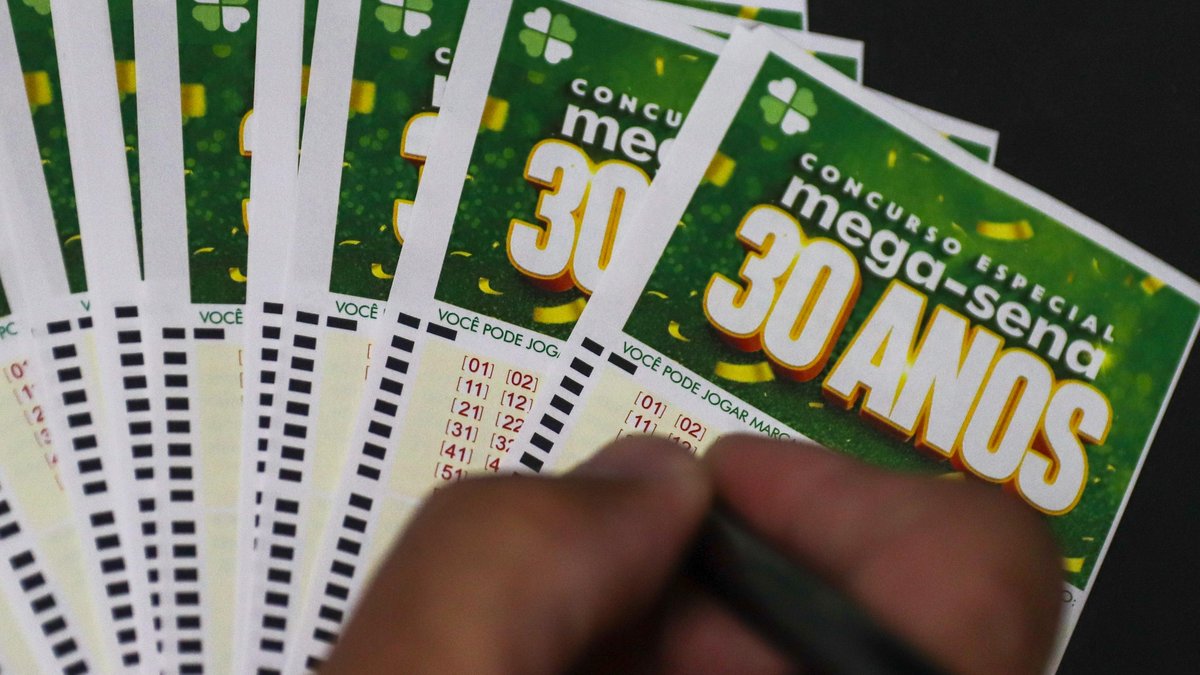
As the Brazilian lottery landscape marks a significant milestone, the anticipation surrounding the Mega-Sena 30th anniversary draw has reached a fever pitch. For three decades, this state-run game has served as a cornerstone of the national gaming culture, and the upcoming special draw—boasting a staggering R$ 300 million prize—has triggered a surge in participation across the country. As we analyze the economic impact and the logistics of this event, the Mega-Sena is far more than a simple game of chance; it is a massive financial engine that has redistributed billions into the Brazilian economy and public sectors.
For those asking what time is the Mega-Sena 30th anniversary draw and where to watch it live, the event is scheduled to be conducted by Caixa Econômica Federal. The draw typically takes place at the Espaço da Sorte in São Paulo, with proceedings commencing at 8:00 PM BRT (Brasília Time). Viewers can follow the official broadcast through the Caixa Loterias official YouTube channel, which provides real-time transparency for all national lottery draws.
Three Decades of Economic Influence
Since its inception in 1996, the Mega-Sena has evolved into a cultural phenomenon. According to data from the official Caixa Econômica Federal portal, the lottery has played a dual role: providing life-changing capital to winners while simultaneously generating significant revenue for government social programs. Over the past 30 years, the lottery system in Brazil has funneled tens of billions of reais into sectors such as education, public safety, and sports development, functioning as a vital source of non-tax revenue for the Brazilian state.

The sheer scale of the current R$ 300 million jackpot is a testament to the lottery’s enduring popularity. Financial analysts note that such high-value prizes often lead to a “marathon” of betting, particularly in interior regions where lottery retailers report significantly higher foot traffic during the week leading up to major draws. This increased volume is not merely speculative; it reflects the deep-seated integration of the game into the household financial planning of millions of Brazilians who view these special draws as unique investment opportunities.
Financial Mechanics: Understanding the Prize
When a prize reaches the magnitude of R$ 300 million, the conversation inevitably shifts toward personal wealth management. Financial experts frequently highlight how such a sum would perform in standard Brazilian investment vehicles. For example, if a winner were to allocate the entire prize into a traditional savings account (poupança) or a CDI-linked instrument, the monthly yields would be substantial, often exceeding the annual earnings of the average worker. However, as with all financial windfalls, tax implications and inflation hedging remain critical considerations for winners.
The Central Bank of Brazil provides the regulatory framework that governs these financial instruments, and it is essential for participants to understand that while the gross prize is headline-grabbing, the net amount is subject to specific federal tax withholdings. Understanding these mechanics is part of being an informed participant in the global market, where risk-to-reward ratios are fundamental to every transaction, whether in a high-stakes investment portfolio or a state-sanctioned lottery.
Key Takeaways for Participants
- Draw Time: The official draw is confirmed for 8:00 PM BRT.
- Official Broadcast: Live updates and the drawing process are streamed via the Caixa Loterias YouTube channel.
- Verification: Always verify your ticket numbers against the official results published on the Caixa Loterias website to avoid fraudulent information.
- Responsible Play: As with any form of gambling, it is vital to participate within your financial means and treat the activity as entertainment rather than a guaranteed financial strategy.
The Future of State-Run Gaming
As the Mega-Sena moves into its fourth decade, the digital transformation of the industry continues to accelerate. The shift toward mobile applications and integrated banking systems for ticket purchases has made the process more accessible than ever before. Yet, the core appeal remains unchanged: the hope of economic mobility. Whether the prize is claimed by a single winner or split among a syndicate, the impact on the recipient’s life—and the subsequent contribution to the public coffers—remains a central narrative in the story of Brazil’s economic policy.
Looking ahead, the next major checkpoint for the lottery will be the announcement of the audited results immediately following the draw. Official records regarding unclaimed prizes and the distribution of funds to social initiatives are typically updated by Caixa in their periodic transparency reports. We will continue to monitor these developments as they unfold. If you found this analysis helpful, please share your thoughts in the comments section below or join the conversation on our social media channels.