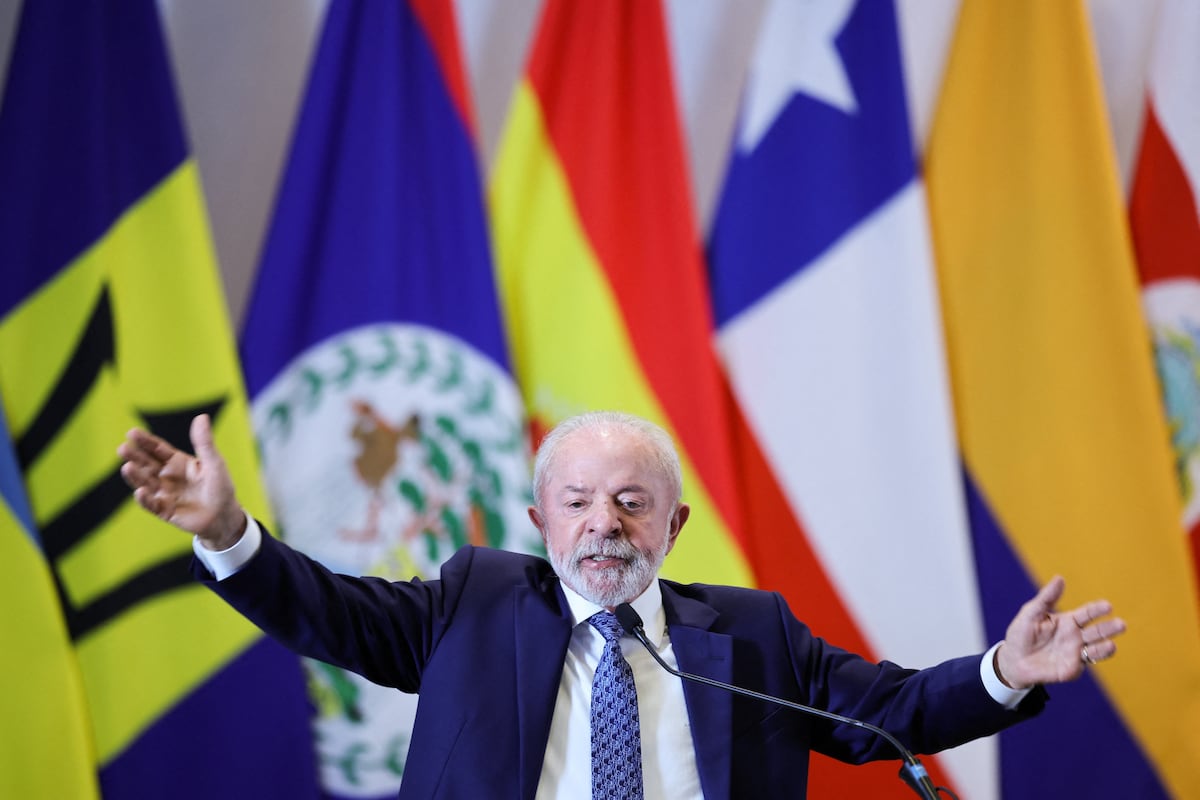
The path toward one of the world’s largest free trade zones is nearing completion as Brazil has now ratified the landmark trade agreement between Mercosur and the European Union. This move, following similar approvals in Argentina and Uruguay, signals a significant shift in global trade dynamics and a renewed commitment to multilateral cooperation. The agreement, decades in the making, aims to eliminate tariffs on a vast range of goods, fostering economic growth and strengthening ties between the two blocs.
The Brazilian Senate’s unanimous approval on Wednesday, March 4, 2026, represents the final step in the ratification process within Brazil, according to reports from Agência Brasil and the Associated Press. The decree ratifying the agreement now awaits promulgation by the President of the Congress, Senator Davi Alcolumbre, officially solidifying Brazil’s commitment to the pact. This follows swift action by the Chamber of Deputies, which previously approved the agreement. The move comes after Argentina and Uruguay ratified the deal on February 26, 2026, demonstrating a regional momentum towards implementation. While Paraguay hosted the historic signing of the agreement in Asunción, it is currently the only South American member still undergoing the ratification process.
A Historic Agreement Decades in the Making
Negotiations between Mercosur – comprising Argentina, Brazil, Paraguay, and Uruguay – and the European Union began in 1999. However, the path to a finalized agreement was fraught with challenges, experiencing periods of stagnation and near-collapse. The renewed impetus for the deal in recent years can be attributed, in part, to the escalating trade tensions initiated by the United States under the Trump administration. As reported by El País, the trade war launched by former President Trump served as a catalyst, prompting both blocs to seek alternative partnerships and diversify their trade relationships.
The agreement will create a combined market of over 720 million people, representing a significant portion of the global economy. Mercosur and the EU together account for approximately 25% of global GDP and 35% of world trade. Under the terms of the agreement, Mercosur nations will eliminate tariffs on 91% of European goods over a period of up to 15 years, while the EU will remove tariffs on 95% of goods originating from Mercosur over a maximum of 12 years. This reciprocal reduction in trade barriers is expected to stimulate economic activity and create novel opportunities for businesses on both sides of the Atlantic.
Economic Implications for Brazil and the EU
Brazil, as the largest economy within Mercosur, stands to benefit significantly from the agreement. The Brazilian Agency for the Promotion of Exports and Investments (ApexBrasil) estimates that the deal could increase Brazilian exports by around US$7 billion and broaden the diversification of the country’s international sales, positively impacting the national industry. In 2025, trade between Brazil and the EU reached US$100 billion, with Brazil primarily exporting fuels, coffee, and minerals, and importing machinery, pharmaceuticals, and automobiles. This agreement is expected to further enhance these trade flows and create new avenues for economic cooperation.
The impact extends beyond Brazil. Argentina and Uruguay are as well poised to gain from increased access to the European market. The agreement is also seen as a strategic move by the EU to strengthen its economic ties with Latin America and reduce its dependence on other markets. Ursula von der Leyen, President of the European Commission, has repeatedly praised the efforts of Brazilian President Luiz Inácio Lula da Silva in bringing the agreement to fruition, despite opposition within Europe. The combined economies of the involved nations represent a staggering US$22 trillion, highlighting the potential economic power of this new trade zone.
Provisional Application and Ongoing Scrutiny
Despite the ratification by several Mercosur nations, the agreement’s entry into force is contingent upon approval from the European Union. Currently, the text is under review by the European Court of Justice at the request of the European Parliament. However, President von der Leyen announced that the EU intends to apply the agreement provisionally, without waiting for the court’s ruling, citing strategic necessity. This provisional application could potentially begin as early as May 2026, according to estimates in Brazil.
This decision to move forward with provisional application has not been without controversy. Concerns remain regarding the environmental and social implications of the agreement, particularly related to deforestation in the Amazon rainforest and labor standards. These concerns have fueled opposition to the deal from some European lawmakers and civil society groups. The European Court of Justice’s review will be crucial in addressing these concerns and ensuring that the agreement aligns with the EU’s sustainability goals.
Political Maneuvering in Brazil
The ratification process in Brazil wasn’t without its own political complexities. With supporters of President Lula in the minority in Congress, the government took steps to facilitate the agreement’s passage. President Lula signed a decree on Wednesday, published in an extraordinary edition of the Diário Oficial da União, outlining safeguards designed to provide additional legal protection for the agricultural and industrial sectors. This move aimed to address concerns from domestic industries and ensure a smoother transition under the new trade regime. Senator Tereza Cristina Dias, a former Minister of Agriculture under Jair Bolsonaro and the author of the treaty bill in the Senate, defended the agreement, acknowledging its imperfections but emphasizing its potential benefits for Brazil, as reported by Estadão.
The agreement between the Mercosur bloc and the EU represents a significant milestone in international trade relations. It’s a testament to the enduring power of multilateralism and a response to the shifting geopolitical landscape. While challenges remain, the ratification by Brazil, alongside Argentina and Uruguay, brings the creation of the world’s largest free trade zone closer to reality. The coming months will be critical as the EU completes its review and prepares for the potential provisional application of the agreement, paving the way for a new era of economic cooperation between South America and Europe.
The next key step will be the final review and decision by the European Court of Justice, with a ruling expected in the coming months. Stay informed about the latest developments regarding the Mercosur-EU trade agreement by visiting the official website of the European Commission and following updates from Mercosur member states. We encourage you to share your thoughts and perspectives on this important development in the comments below.
Keep reading
- Cryptic Pregnancy: Why Some Women Don’t Know They Are Pregnant Until Labor
- CMS Finalizes FY 2027 Hospital IPPS Rule: 2.3% Pay Increase and Mandatory Joint Replacement Model
- Why Trout and Contreras Can Both Veto a Trade (daybreakwire.com)
- Tarik Skubal Trade Rumors: Dodgers, Brewers and Rays Lead the Race (archyde.com)