
The landscape of European integration is undergoing a period of intense scrutiny as policymakers grapple with the future of the Western Balkans. Recent high-level discussions, including those involving key political figures such as Friedrich Merz and French President Emmanuel Macron, have centered on the necessity of a structured, phased approach to EU enlargement. This strategy, often described as a “building blocks” model, seeks to revitalize accession talks that have, at times, stalled amid complex geopolitical shifts and internal union requirements.
The discourse surrounding Germany’s role in this international diplomacy has intensified. Critics, including veteran political observers like Hans-Ulrich Jörges, have raised pointed questions regarding the perceived waning influence of Berlin on the global stage. Jörges’ assertion—that Germany currently plays a diminished role in international diplomacy—has sparked a broader debate about whether the nation is effectively leveraging its economic and political weight to shape the future of the European project and its immediate neighbors.
The “Building Blocks” Strategy for EU Enlargement
At the heart of the current dialogue is the push to accelerate the integration of Western Balkan states. The proposed “building blocks” approach is designed to allow candidate countries to participate in specific European policy areas or institutions before full membership is achieved. This incremental integration is intended to provide tangible benefits to candidate nations while ensuring that the European Union maintains its structural integrity and decision-making capacity.
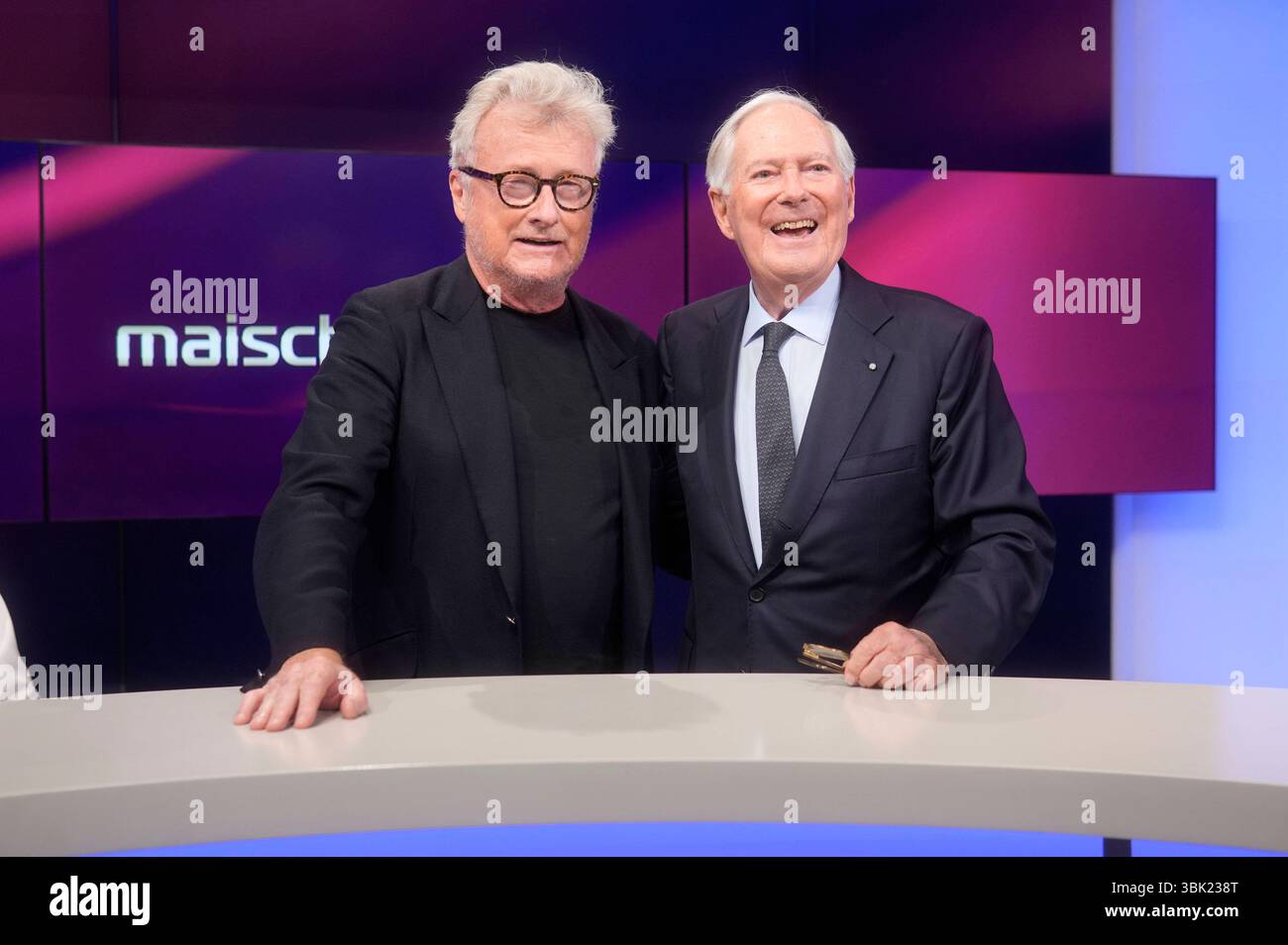
For observers of European affairs, the involvement of figures like Friedrich Merz highlights the cross-party recognition that the status quo is insufficient. The European Union’s enlargement process is governed by strict criteria, including the Copenhagen criteria, which mandate stability of institutions, the rule of law, and a functioning market economy. By emphasizing a modular approach, proponents argue that the EU can sustain the momentum of reform in the Balkans without waiting for the final, often lengthy, accession negotiations to conclude for every policy chapter.
Germany’s Diplomatic Standing: A Critical Assessment
The critique offered by Hans-Ulrich Jörges touches upon a sensitive nerve in German political discourse: the gap between Germany’s economic stature and its perceived diplomatic reach. In an era defined by poly-crises—ranging from regional security threats to supply chain volatility—the expectation for Berlin to provide clear, assertive leadership remains high.
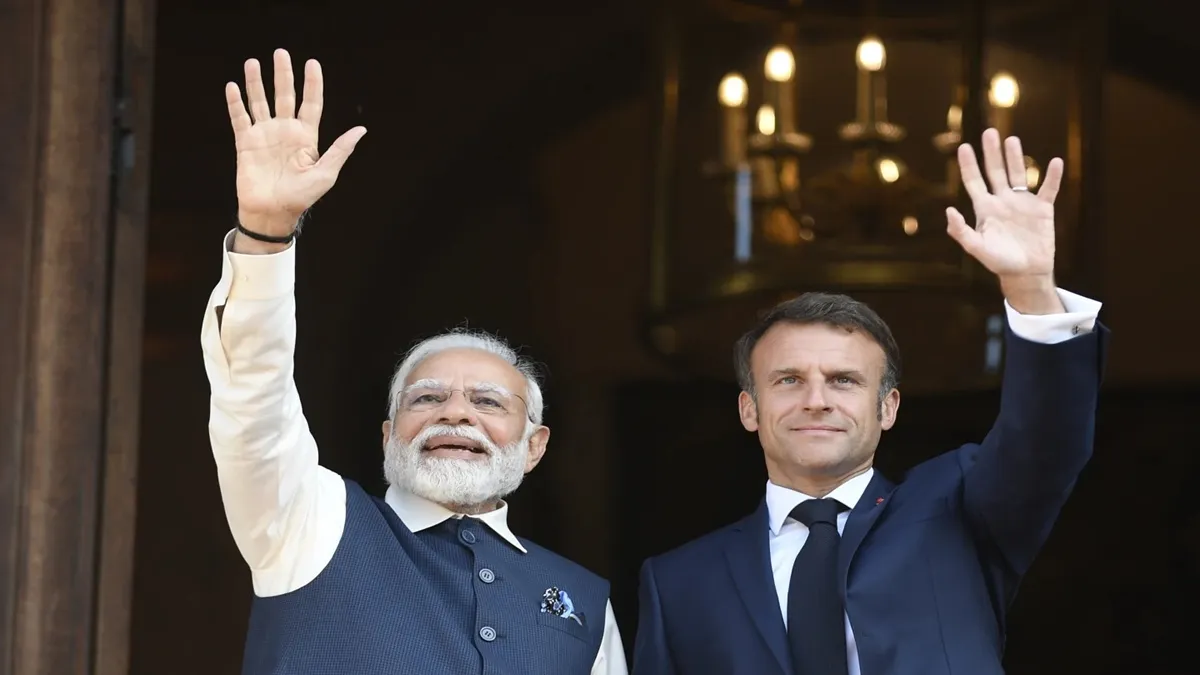
However, the reality of contemporary diplomacy is that influence is rarely static. Germany’s approach to the Western Balkans is inextricably linked to its wider commitment to EU stability. As noted by the Council of the European Union, the Western Balkans remain a priority for the bloc, with ongoing efforts to foster regional cooperation and democratic governance. Whether Germany is perceived as a “leading” or “following” force in these negotiations often depends on how effectively it aligns its domestic strategic interests with the collective security needs of its European partners.
Why the Western Balkans Matter
The strategic importance of the Western Balkans cannot be overstated. The region acts as a bridge between the EU and its wider neighborhood. Instability in the Balkans has historically had direct consequences for the European Union, making the integration process a matter of regional security rather than mere bureaucratic expansion.
For businesses and investors, the “building blocks” approach offers a potential roadmap for market harmonization. As countries in the region align their standards with EU regulations, the risk profile for foreign investment is expected to decrease. This process of convergence is essential for long-term economic growth in the region. According to the European Commission, the focus remains on the “fundamentals first” principle, ensuring that rule of law and economic reforms take precedence to create a predictable environment for all stakeholders.
Key Takeaways on EU-Balkan Relations
- Phased Integration: The “building blocks” model suggests a move away from “all-or-nothing” accession, favoring gradual participation.
- Strategic Necessity: Integrating the Western Balkans is viewed as a vital step for the long-term security and economic cohesion of the European Union.
- The Leadership Debate: The role of Germany in facilitating these talks remains a focal point for critics and supporters alike, as the nation navigates its diplomatic responsibilities.
- Compliance Hurdles: Candidate states must continue to meet rigorous standards, ensuring that the integration process does not compromise the integrity of the EU’s internal market.
Looking Ahead: The Path to Integration
As the dialogue continues, the focus will shift toward the practical implementation of these proposals. The upcoming summits and ministerial meetings will serve as critical checkpoints for assessing whether the “building blocks” approach can overcome the inertia that has plagued enlargement efforts in recent years. For Germany, the challenge remains to balance its traditional commitment to multilateralism with the need for decisive action in a rapidly changing geopolitical environment.
The next official updates are expected following the next scheduled session of the European Council, where member state leaders will review progress on enlargement benchmarks. We encourage our readers to share their perspectives on the evolving role of European diplomacy in the comments section below. How do you view the balance between caution and acceleration in the expansion of the European Union?
Related reading