
The intersection of wearable technology and biometric privacy has reached a new flashpoint. Recent investigations into the software powering Meta’s latest smart glasses have revealed the presence of facial recognition code, sparking significant debate over how much personal data these devices are truly collecting from the people around them.
The controversy centers on the Meta AI app, the essential software required to operate the company’s Ray-Ban and Oakley smart glasses. Reports indicate that the app contains code designed to facilitate facial recognition—a capability that allows the hardware to identify individuals by converting their facial features into unique biometric identifiers.
This discovery is particularly sensitive given Meta’s previous public positioning on the matter. While the company has historically expressed a cautious approach to deploying facial recognition technology, the presence of this code within an app used by tens of millions of people suggests a much more integrated development path than previously signaled to the public.
The Discovery: From ‘NameTag’ to ‘Connections’
The scrutiny began following an analysis of the Meta AI app, which revealed that facial recognition-related code had been added through several updates throughout the year. According to reports from Wired, the feature was initially identified under the internal name “NameTag” before being rebranded as “Connections.”

The intended functionality of the “Connections” feature appears to be centered on social assistance—specifically, helping users “remember the people they meet.” The technical architecture described involves the smart glasses’ camera capturing a face and converting it into a “faceprint.” This faceprint—a unique biometric signature—is then compared against facial data stored on the user’s smartphone to identify the person in view.
If a match is found, the device is designed to notify the wearer of the individual’s identity. If the face is not recognized, the system is reportedly structured to save the unrecognized facial data into a separate folder, raising significant questions about the storage and lifecycle of biometric information captured from non-users.
A Discrepancy in Timelines
One of the most pressing concerns for privacy advocates is the timeline of the software’s integration. In April, Meta stated that the company would approach the potential introduction of facial recognition features with “extreme caution.” However, technical analysis suggests that the core components of this functionality were integrated into the Meta AI app as early as January.
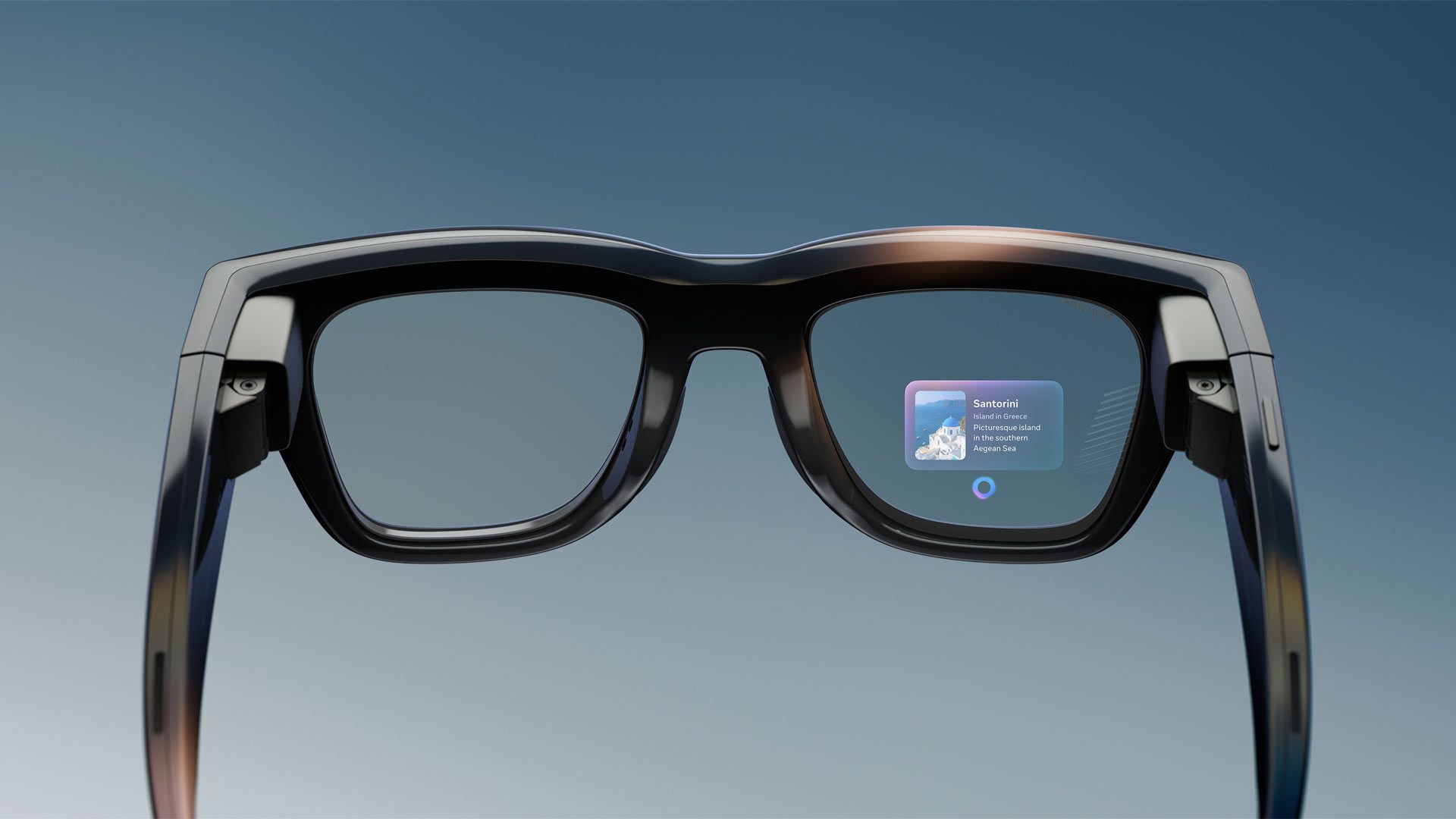
This gap between corporate messaging and technical implementation highlights a recurring tension in the tech industry: the speed of software deployment versus the transparency of feature disclosure. For a device as intimate as smart glasses—which are worn on the face and equipped with cameras—the distinction between a “feature being explored” and a “feature being coded into a mass-market app” is a critical one for consumer trust.
Technical Implications of ‘Faceprinting’
To understand why this is more than a simple software update, it is necessary to understand the nature of biometric “faceprints.” Unlike a standard photograph, a faceprint is a mathematical representation of a person’s unique facial structure. Once a face is converted into this digital format, it can be used for highly efficient and automated identification.
- Biometric Conversion: The process of turning visual pixels into a unique numerical code.
- Data Matching: Comparing live “faceprints” against a pre-existing database of known identities.
- Persistence: The concern that once a biometric signature is captured and stored, it cannot be “reset” like a password if a data breach occurs.
The ability to perform these actions in real-time, through a device that is easily worn in public spaces, shifts the conversation from active user engagement to passive surveillance of bystanders.
Privacy at the Edge: The Wearable Dilemma
The debate over Meta’s smart glasses is part of a broader industry-wide struggle to define the boundaries of “ambient computing.” As smart glasses become more sophisticated, they move closer to becoming “always-on” sensors capable of mapping the social environment of the wearer.

For users, the benefits are clear: hands-free information, seamless social connectivity, and enhanced augmented reality experiences. However, for the public—the people being “seen” by the glasses—the risks are more abstract but potentially more profound. The primary concern is the lack of consent; a bystander walking past a person wearing smart glasses may have their biometric data processed without any direct interaction with the device or its owner.
Regulatory bodies in various jurisdictions are already closely monitoring the deployment of biometric technologies in consumer electronics. The integration of facial recognition into mainstream wearable hardware may prompt more stringent requirements for “notice and consent” protocols, especially regarding how data from non-users is handled.
Key Takeaways
- Code Discovery: Facial recognition code was found in the Meta AI app, used for Ray-Ban and Oakley smart glasses.
- Functionality: The feature (rebranded from “NameTag” to “Connections”) uses “faceprints” to identify people.
- Timeline Concerns: Core code was reportedly integrated in January, despite Meta’s April statements regarding caution.
- Privacy Impact: The technology enables the identification of individuals via biometric signatures, often without their explicit consent.
As Meta continues to refine its hardware and software ecosystem, the company will likely face increased pressure to provide clarity on how these biometric features are controlled, how data is encrypted, and what protections are in place for the individuals being captured by the device’s sensors.
We will continue to monitor official statements from Meta and any potential responses from privacy regulators regarding these developments. The next major checkpoint will be any official technical documentation or policy updates released by Meta regarding the “Connections” feature.
What are your thoughts on the use of facial recognition in wearable tech? Does the convenience outweigh the privacy risks? Let us know in the comments below and share this article with your network.
Keep reading