Allegations surrounding a proposal to mark 2.7 million living individuals as deceased within Social Security Administration records have ignited a significant debate regarding the intersection of administrative efficiency and federal data integrity. The report, which surfaced through whistleblower testimony, suggests that internal discussions took place concerning a mass update to the agency’s death master file, a database critical to preventing benefit fraud and managing government disbursements.
As the conversation around government oversight intensifies, it is essential to distinguish between verified procedural initiatives and the broader, often complex, discourse on federal reform. The Social Security Administration (SSA) maintains the Death Master File, a repository that serves as a vital tool for financial institutions, state agencies, and federal departments to verify the status of account holders. According to the Social Security Administration Office of the Inspector General, the accuracy of this data is paramount to the integrity of the Social Security program, which provides benefits to millions of Americans.
Understanding the Role of the Death Master File
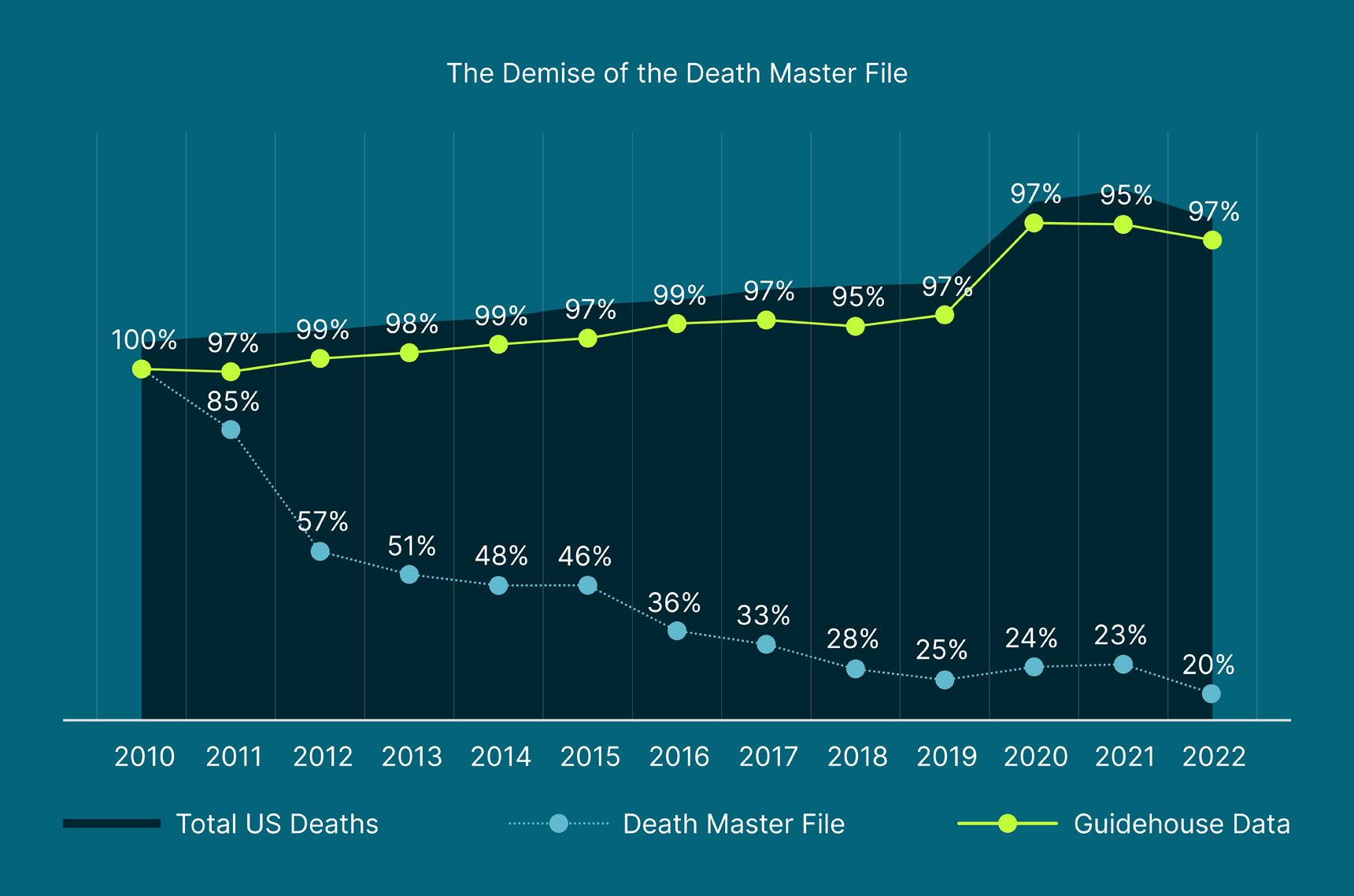
The Death Master File is not merely a bureaucratic ledger; it is a linchpin of the United States social safety net. When an individual is incorrectly listed as deceased, the consequences are immediate and severe: payments are suspended, automated systems trigger identity locks, and beneficiaries often face significant hurdles to restore their status. The Government Accountability Office (GAO) has previously highlighted that errors in these databases can lead to significant administrative burdens for both the government and the public.
The proposal in question—allegedly involving the mass modification of records for millions of living citizens—has drawn scrutiny from oversight bodies. Any effort to alter such a vast number of records would necessitate rigorous testing and verification to prevent widespread disruptions to the delivery of critical benefits. Current federal law requires that the SSA implement stringent safeguards to ensure that death reports are accurate and verified by official state records before they are entered into the system, as outlined in the Social Security Act.
The Whistleblower Claims and Federal Oversight
Whistleblower disclosures are a protected mechanism under the Office of Special Counsel, designed to allow federal employees to report potential mismanagement, waste, or abuse without fear of reprisal. When such reports emerge, they typically trigger a multi-stage review process involving internal agency investigators and, in many cases, independent oversight by the agency’s Inspector General.
The claims regarding the 2.7 million individuals suggest a misalignment between proposed efficiency measures and the practical reality of maintaining accurate federal records. Critics of the alleged plan argue that such an action would bypass established verification protocols. Conversely, proponents of administrative reform often advocate for the modernization of legacy IT systems to better identify and eliminate waste. However, the threshold for modifying sensitive personal data remains governed by strict regulatory standards intended to protect the rights of beneficiaries.
Impact on Beneficiaries and Data Integrity
For the average citizen, the security of their Social Security status is a matter of personal financial stability. Any move to automate mass changes to the Death Master File carries inherent risks. If the records of 2.7 million people were to be flagged erroneously, the resulting administrative backlog could take months, if not years, to resolve. The Social Security Administration’s data integrity mission emphasizes that the agency must balance the need for speed with the necessity of precision.
In recent years, the government has moved toward increasing transparency in how it handles administrative data. The Office of Management and Budget (OMB) frequently updates guidelines on data quality, requiring agencies to document the sources of their information and the methods used to validate it. Any initiative that deviates from these standards would likely face intense scrutiny from Congress, which holds the power of the purse and the authority to conduct oversight hearings on agency performance.
What Happens Next?
As of June 2026, there has been no official confirmation that a mass reclassification of living individuals as deceased has been implemented or authorized. The focus remains on the investigative phase of the whistleblower’s report. Congressional committees with jurisdiction over government operations, such as the House Committee on Oversight and Accountability, may initiate inquiries to verify the nature of these internal proposals and determine if any policies were enacted that compromised data integrity.
The next steps in this unfolding situation will likely include formal responses from the Social Security Administration regarding their data management protocols and potential testimonies from involved officials. For those concerned about their own records, the SSA provides a “my Social Security” portal where individuals can monitor their benefit status and verify that their personal information is correctly recorded. Maintaining vigilance over one’s digital footprint in federal systems is a recommended practice for all beneficiaries.
We will continue to monitor official filings and public disclosures regarding this developing story. If you have information or wish to share your perspective on federal administrative transparency, we encourage you to join the conversation in our comments section below.