
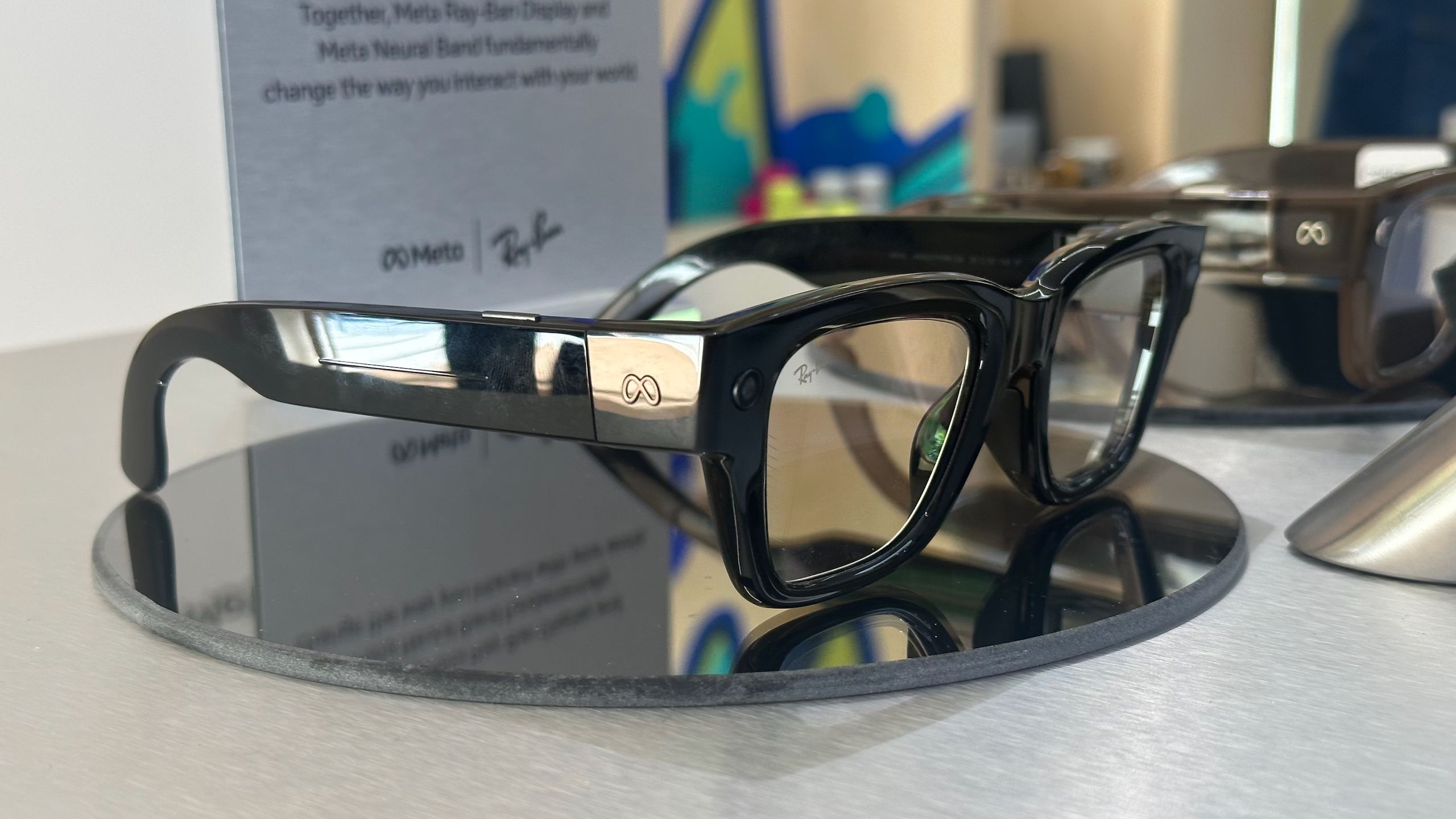
In a strategic move to transform its wearable hardware into a legitimate computing platform, Meta has announced a new Developer Preview program designed to expand the capabilities of its smart glasses ecosystem. The company revealed that it will provide developer access to begin creating mobile and web-based applications specifically tailored for its Ray-Ban Meta smart glasses.
This announcement marks a pivotal shift in Meta’s approach to wearable technology. Rather than treating its smart glasses as a standalone consumer gadget—focused primarily on photography and audio—the company is signaling its intent to build a robust software ecosystem. By opening the doors to third-party developers, Meta aims to move beyond basic utility and toward a future where specialized applications can enhance the daily user experience through integrated AI and mobile connectivity.
The Developer Preview is intended to serve as a foundational step, allowing software engineers to experiment with how mobile and web-based applications can interact with the hardware’s unique sensor suite and AI-driven interface. This move mirrors the historical growth of mobile operating systems, where the transition from a closed device to an open platform catalyzed the explosion of useful, niche applications.
From Accessory to Platform: The Developer Shift
For much of its history in the wearables space, Meta’s hardware focus has been on the intersection of lifestyle, and technology. The current generation of Ray-Ban Meta smart glasses has seen significant success by prioritizing form factor and social integration, allowing users to capture content and interact with Meta AI in a way that feels natural and unobtrusive.
However, the introduction of a dedicated Developer Preview suggests that Meta is looking toward a “platform-first” model. In the tech industry, a platform is defined by its ability to host a variety of third-party services that drive user engagement and hardware necessity. By enabling developers to build apps that leverage the glasses’ camera, microphones, and connectivity, Meta is attempting to solve the “killer app” problem that has long challenged the smart glasses industry.
This developer-centric strategy is designed to create a feedback loop: as more developers create specialized tools—ranging from navigation aids to real-time translation services—the value of the hardware increases for the end consumer. This, in turn, attracts more developers, creating the network effects necessary to sustain a long-term hardware ecosystem.
Bridging the Gap: Mobile and Web Integration
One of the most significant technical aspects of this announcement is the emphasis on mobile and web app integration. Unlike traditional Augmented Reality (AR) headsets that rely on heavy onboard processing, the Ray-Ban Meta smart glasses function as part of a distributed computing model. The glasses act as the interface and sensor hub, while the heavy lifting of application logic is often handled by a paired smartphone or cloud-based web services.

This architecture is critical for several reasons:
- Power Efficiency: By offloading complex computations to a mobile device or the web, the glasses can maintain a slim, lightweight design without the need for massive batteries or heat-intensive processors.
- Accessibility: Leveraging web technologies allows developers to deploy updates and new features rapidly without requiring users to download massive software packages through traditional app stores.
- Connectivity: Mobile integration ensures that the glasses remain deeply connected to a user’s existing digital life, including calendars, maps, and messaging services.
For developers, this means the barrier to entry is significantly lower. Instead of needing to master proprietary, low-level hardware coding, they can utilize familiar web and mobile frameworks to create experiences that “surface” through the glasses’ AI and audio-based interface.
The Role of AI in the New Ecosystem
At the heart of this new developer era is Meta AI. The smart glasses are increasingly being viewed as the primary interface for Meta’s multimodal AI, which can “see” what the user sees through the built-in camera and “hear” through the microphones.
The Developer Preview will likely focus on how third-party apps can feed data into this AI loop. For example, a developer could create a specialized fitness app that uses the glasses’ camera to monitor form, with the AI providing real-time audio coaching. Or, a travel app could use the camera to identify landmarks and provide historical context via the integrated speakers. The goal is to move from a “command-and-control” model (where a user asks a question) to an “ambient intelligence” model (where the glasses proactively provide contextually relevant information).
This integration of AI and third-party software is what separates Meta’s current strategy from traditional smart glasses. While competitors may focus on visual overlays, Meta is betting on a seamless, AI-driven experience that prioritizes natural human interaction and multimodal input.
Why This Matters for the Future of Wearables
The tech industry has seen many attempts at smart glasses fail, often due to two main issues: lack of utility and poor social acceptance. Previous iterations were often too bulky, too expensive, or simply lacked a reason for users to wear them every day.

Meta’s current trajectory addresses both. By staying within the familiar, stylish aesthetic of Ray-Ban frames, they have cleared the hurdle of social acceptance. By opening the platform to developers, they are addressing the utility hurdle. If developers can create apps that provide genuine value—such as hands-free productivity tools, real-time language assistance, or enhanced navigation—the smart glasses transition from a “neat gadget” to an “essential tool.”
this move places Meta in a unique competitive position. While companies like Apple focus on high-end, immersive spatial computing through the Vision Pro, Meta is targeting the “all-day wearable” market. The Ray-Ban Meta ecosystem is built for the world as we live in it, rather than a controlled, virtual environment.
| Feature/Focus | Strategic Impact |
|---|---|
| Developer Preview | Enables early-stage testing and ecosystem growth. |
| Mobile & Web Apps | Lowers developer barrier and optimizes battery life. |
| AI Integration | Moves hardware toward an ambient, multimodal intelligence model. |
| Platform Model | Shifts hardware from a standalone device to a computing ecosystem. |
As the Developer Preview rolls out, the industry will be watching closely to see what types of applications emerge. The success of this initiative will likely determine whether Meta’s smart glasses become the foundation for the next major era of personal computing.
Next Steps: Developers should monitor Meta’s official developer portals for specific documentation, SDK releases, and hardware access guidelines regarding the Ray-Ban Meta platform.
What do you think is the most critical app for smart glasses? Will they eventually replace the smartphone? Let us know in the comments below and share this article with your tech network.