
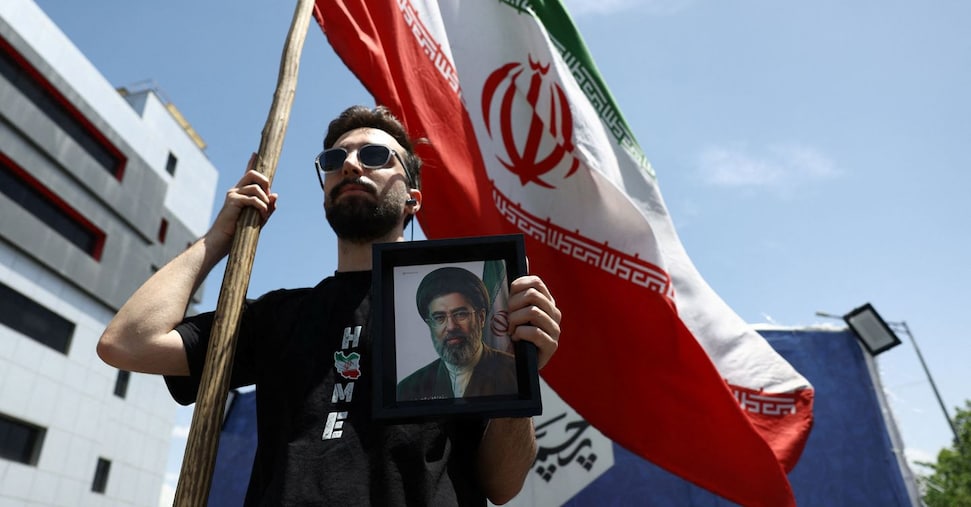
The Middle East is currently navigating a volatile period of simultaneous escalation and de-escalation, as the Trump administration’s hardline stance toward Tehran clashes with a fragile, extended truce in Lebanon. As of Saturday, May 16, 2026, the regional security architecture is facing immense pressure, with the potential for renewed large-scale military confrontation in Iran even as diplomatic efforts attempt to stabilize the Levant.
Developments over the last 24 hours suggest a complex geopolitical landscape where the threat of direct kinetic action by the United States against Iranian interests is rising. This comes at a critical juncture for neighboring territories, where ceasefires are being extended in a desperate attempt to prevent a wider regional conflagration.
The Iran Escalation: Renewed Threats of Military Action
President Donald Trump has signaled a significant shift in his administration’s posture toward the Islamic Republic of Iran, with recent reports indicating that the U.S. May be closer than ever to resuming direct military strikes. While the specifics of the proposed operations remain classified, the rhetoric from Washington suggests a move away from purely economic sanctions toward a more kinetic “maximum pressure” strategy aimed at degrading Iran’s regional capabilities.
The threat of new bombings has sent ripples through international energy markets and prompted urgent diplomatic inquiries from several European capitals. Analysts suggest that the administration’s stance is intended to deter Iranian-backed proxies from further destabilizing the region, but the risk of a direct, large-scale conflict between the United States and Iran remains a primary concern for global security experts. The administration has not officially confirmed the timeline for any such military action, but the intensity of the current discourse suggests that the window for a purely diplomatic resolution may be narrowing.
This renewed tension follows a period of heightened monitoring of Iran’s nuclear and ballistic missile programs. The administration’s focus appears to be on neutralizing specific threats before they can be deployed, a strategy that places the international community on high alert for any sudden escalations in the Persian Gulf or the Levant.
Lebanon: A Fragile 45-Day Truce Extension
In a stark contrast to the looming threats in the east, the situation in Lebanon has seen a temporary, albeit precarious, reprieve. A ceasefire that had been under immense strain has reportedly been extended for an additional 45 days. This extension is seen by many as a vital “breathing space” for both the Lebanese government and regional actors to attempt to stabilize the border and prevent a full-scale war between Israel and Hezbollah.
The 45-day extension aims to facilitate humanitarian aid delivery and allow for the establishment of more robust monitoring mechanisms along the border. However, the truce remains deeply fragile. Observers note that the underlying political and military tensions that led to the initial hostilities have not been fully resolved, leaving the region in a state of “armed peace” that could collapse at any moment.
For the civilian population in Southern Lebanon, the extension offers a momentary respite from active combat, but the uncertainty regarding the long-term viability of the truce continues to drive displacement and economic instability. Diplomatic mediators are reportedly working to transform this temporary pause into a more permanent security arrangement, though the path toward a lasting peace remains fraught with complications.
Gaza Front: Reports of High-Level Hamas Casualty
Simultaneously, the conflict in the Gaza Strip has seen a significant tactical development. Reports indicate that a recent Israel Defense Forces (IDF) raid has resulted in the death of a high-ranking Hamas leader, identified in several reports as Haddad. While the specific details of the operation—including the exact location and the circumstances of the strike—have not been fully released by official military channels, the reported death of such a figure could have significant implications for the group’s command structure in the territory.
The death of a senior leader like Haddad typically triggers a period of internal reorganization within militant groups and often leads to retaliatory actions. The international community is closely watching to see if this strike will lead to a localized escalation in Gaza or if it will be absorbed into the broader regional volatility. As with many high-profile operations in the region, the impact on the humanitarian situation in Gaza remains a central concern for international aid organizations and human rights monitors.
The IDF has a history of conducting targeted raids to disrupt the leadership of militant organizations, and this latest reported success may be part of a broader strategic effort to degrade Hamas’s operational capacity. However, the efficacy of such strikes in achieving long-term stability remains a subject of intense debate among geopolitical experts.
Strategic Implications for the Trump Administration
The confluence of these three events—the threats against Iran, the Lebanese truce, and the strike in Gaza—presents the Trump administration with a complex set of strategic challenges. The administration must balance its hardline approach to Iran with the need to maintain regional stability and prevent a wider war that could draw in more actors and disrupt global energy security.

The extension of the truce in Lebanon provides a rare, if temporary, opportunity for the U.S. To exert diplomatic influence and support regional de-escalation efforts. However, the simultaneous threat of military action against Iran complicates this mission, as any miscalculation could undermine the fragile peace in the Levant. The administration’s ability to manage these competing pressures will likely define its foreign policy legacy in the Middle East.
the developments in Gaza add another layer of complexity. The administration must navigate the humanitarian imperatives in the Palestinian territories while supporting the security objectives of its allies in the region. The interplay between these various fronts suggests that the Middle East remains the most significant theater of geopolitical volatility in the world.
Key Takeaways
- Iran Tensions: The Trump administration has signaled a potential return to military strikes against Iranian targets, increasing the risk of direct U.S.-Iran confrontation.
- Lebanon Ceasefire: A critical 45-day extension of the truce in Lebanon offers a temporary reprieve but remains highly unstable.
- Gaza Leadership: Reports of the death of a senior Hamas leader (Haddad) following an IDF raid could trigger retaliatory violence and leadership shifts.
- Regional Stability: The simultaneous escalation in Iran and de-escalation in Lebanon creates a high-stakes environment for U.S. Foreign policy.
Next Checkpoint: We are monitoring for official statements from the White House regarding the Iranian posture, as well as updates from UN mediators regarding the implementation of the Lebanon truce extension. Further details on the IDF operation in Gaza are expected in the coming hours.
What do you think about the administration’s shifting stance on Iran? Will the Lebanon truce hold? Share your thoughts in the comments below and share this article to keep your network informed.