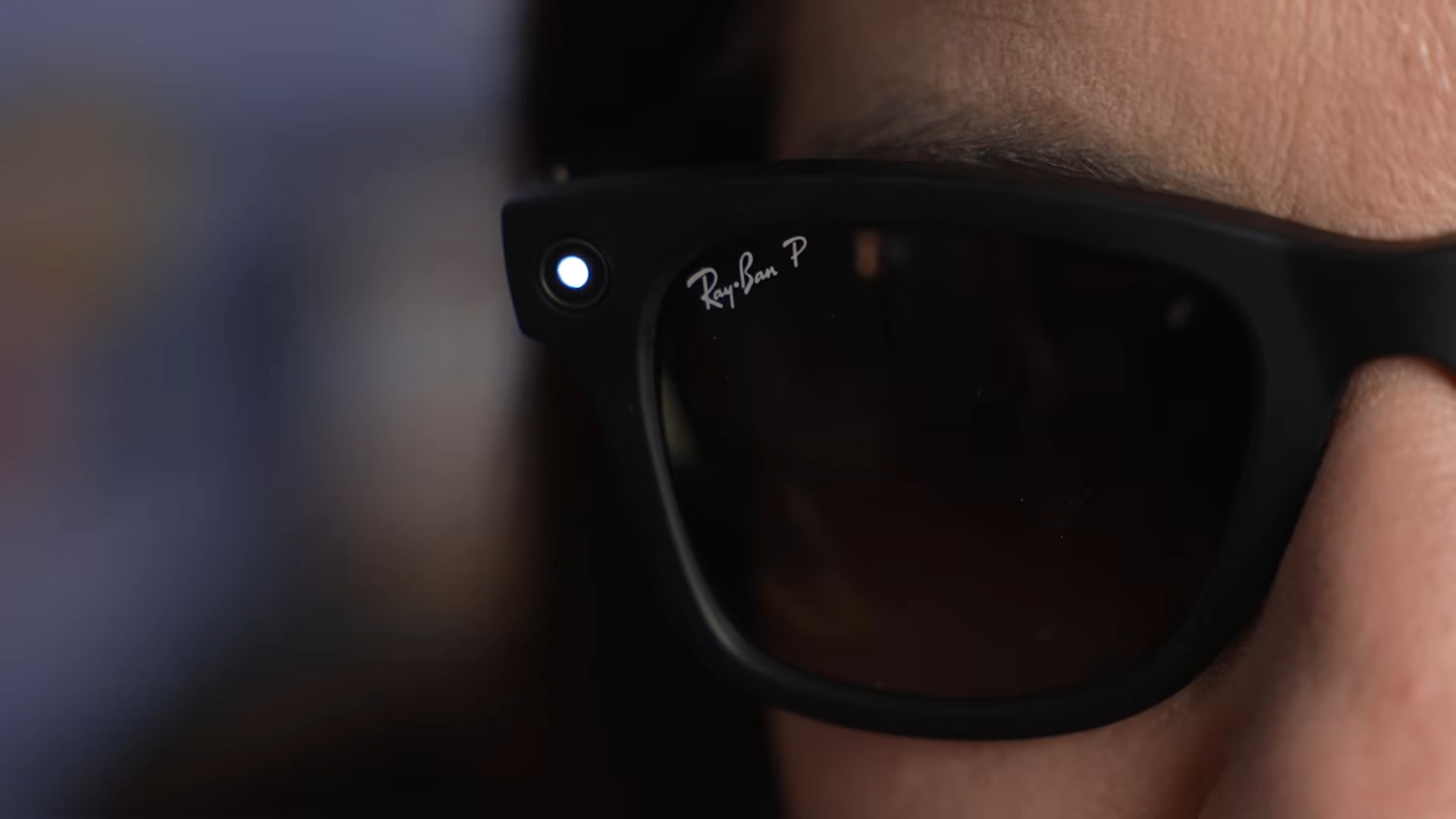
As wearable technology continues to integrate more deeply into our daily routines, the boundary between convenience and personal privacy is increasingly being tested. Recent technical findings have brought Meta’s smart glasses face-recognition plans into the spotlight, sparking a broader conversation about how biometric data is handled in consumer electronics. While Meta maintains that its current focus remains on exploration, the discovery of dormant code within its software ecosystem has raised significant questions among privacy advocates and technology analysts alike.
The core of the discussion centers on the Meta View companion app, which facilitates the functionality of the company’s popular Ray-Ban Meta smart glasses. According to a technical analysis of the application’s software architecture, developers have identified references to a feature internally designated as “NameTag.” This functionality appears designed to leverage the glasses’ onboard camera to identify individuals in the user’s field of view, a capability that, if realized, would represent a substantial shift in how augmented reality hardware interacts with the public sphere.
The Technical Footprint: What the Code Reveals
The investigation into the Meta View application revealed that the infrastructure for facial identification was present in the software as early as January. While the presence of this code does not confirm that a consumer-facing product is imminent, it does provide a window into the company’s internal research and development priorities. For a company that has faced intense regulatory scrutiny regarding data privacy—most notably the Federal Trade Commission’s 2019 settlement—the inclusion of such sensitive code in a live, widely distributed app is a significant development.
The Meta View app, which serves as the bridge between the smart glasses and the user’s smartphone, currently holds a massive install base. With the application having surpassed 50 million downloads on the Google Play Store alone, the potential scale of any biometric feature deployment is immense. The “NameTag” references suggest that the system was designed to work in tandem with the existing AI capabilities of the glasses, effectively allowing for real-time identification of people captured by the hardware’s 12-megapixel camera.
Privacy Concerns and the Hardware Loophole
The discovery of the NameTag code arrives at a time when the Ray-Ban Meta glasses are already under fire for separate privacy concerns. Earlier this year, reports highlighted how individuals could physically manipulate the hardware to disable the LED indicator light that notifies bystanders when recording is taking place. This “modding” capability has led to fears regarding the potential for covert filming in sensitive environments, such as private homes or professional workspaces.
Meta has consistently argued that its hardware is designed with privacy at the forefront, implementing features like a hard-wired LED that is intended to be difficult to bypass. However, the intersection of hardware modifications and potential biometric software features like NameTag creates a complex security landscape. As noted by the Electronic Frontier Foundation, the normalization of facial recognition in everyday eyewear presents risks that existing consumer protection laws are only beginning to address.
Key Takeaways on Meta’s Smart Glasses
- Internal Development: Code referencing “NameTag” functionality was identified in the Meta View companion app, dating back to January.
- Current Status: Meta has stated that the feature is not active and is currently part of an exploratory phase of product development.
- User Privacy: The potential for facial recognition, combined with reports of bypassed recording indicators, has intensified calls for stricter regulatory oversight of wearable AI.
- Scale of Impact: With over 50 million downloads, the Meta View app represents a significant vector for the deployment of new AI-driven features.
Meta’s Stance and the Path Forward
In response to inquiries regarding the findings, Meta has maintained that This proves consistently exploring new technologies that could enhance the user experience of its smart glasses. The company emphasizes that any feature deployment would be subject to rigorous internal reviews and alignment with its privacy commitments. However, critics argue that the “exploration” phase often precedes the quiet rollout of features that users may not fully understand or consent to.

The broader tech industry is currently watching to see how regulators—particularly those in the European Union under the EU AI Act—will treat the use of real-time biometric identification in wearable devices. The EU AI Act, which began its phased implementation in 2024, places strict limitations on the use of remote biometric identification in publicly accessible spaces. Any move by Meta to enable features like NameTag would likely trigger immediate legal and regulatory challenges in multiple jurisdictions.
What Happens Next?
For now, the NameTag code remains dormant. The next major checkpoint for this technology will likely be the company’s next scheduled product update or a formal announcement regarding the evolution of the Meta AI integration. Users who are concerned about their data privacy should monitor the Meta Privacy Center for updates to the company’s data usage policies and terms of service.
As the industry moves toward a future where AI is increasingly embedded in our accessories, the tension between innovation and individual rights will only grow. Whether NameTag remains an internal experiment or becomes a staple of the next generation of smart glasses, the conversation surrounding it is a reminder of the need for transparency in the digital age. We will continue to track this story as more details emerge from Meta’s development pipeline.
What are your thoughts on the integration of facial recognition in wearable tech? Share your perspective in the comments below, and be sure to subscribe to our newsletter for the latest updates on emerging technology and privacy trends.
Worth a look