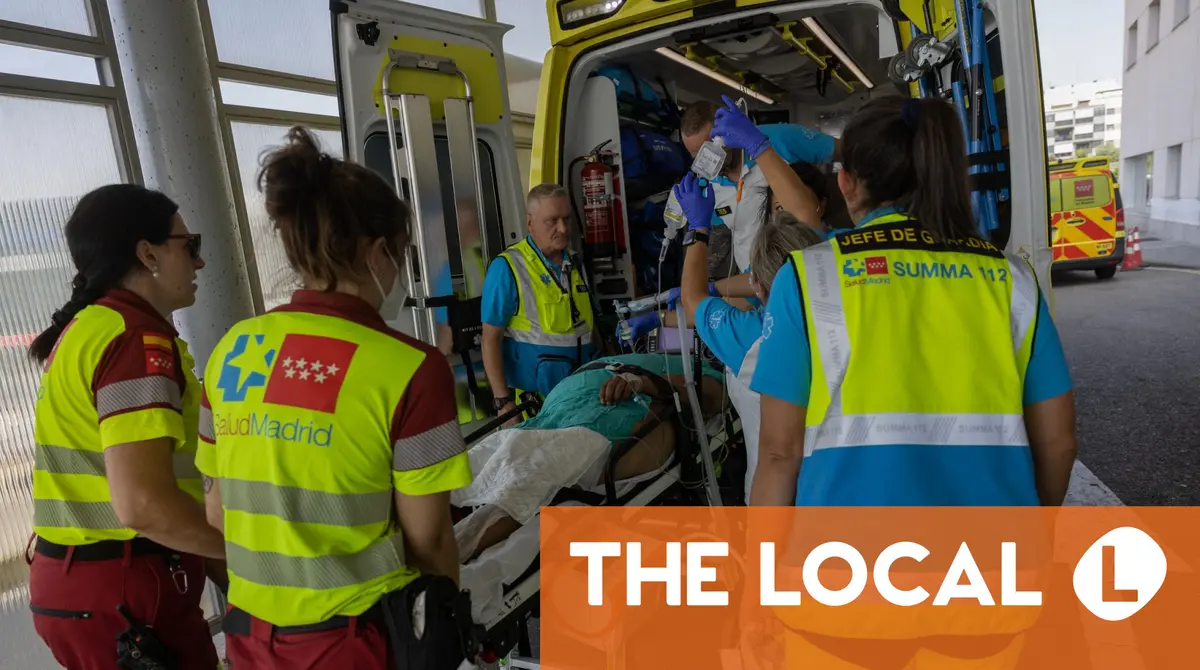
As we navigate an increasingly volatile climate, the human cost of rising temperatures is becoming a stark reality across Southern Europe. In a concerning development for public health officials, Spain recorded 101 heat-related deaths during the month of May, marking the highest figure for that month since the country began systematic tracking of heat-attributable mortality in 2015. This data, released by the Spanish Ministry of Health, underscores a shifting seasonal paradigm where extreme weather events are arriving earlier and with greater intensity.
For those of us tracking global environmental trends, these figures serve as more than just a statistical outlier; they represent a significant challenge to existing public health infrastructure. The transition from spring to summer in the Iberian Peninsula has historically been a period of moderate temperatures, but the recent surge in early-season heat waves is forcing a re-evaluation of how municipalities and health services prepare for thermal stress. The record-breaking number of heat-related deaths in Spain highlights the vulnerability of aging populations and those with underlying health conditions to sudden, unseasonal temperature spikes.
Understanding the Data and Methodology
The system used to track these casualties, known as the MoMo system (Daily Mortality Monitoring), is managed by the Carlos III Health Institute. It is designed to estimate excess mortality by comparing observed deaths against historical trends, adjusting for factors like population aging and seasonal flu patterns. When temperatures deviate significantly from the norm, the system flags excess deaths that correlate with the duration and intensity of a heat event.

It is important to clarify that “heat-related” in this context refers to deaths where heat is identified as a contributing factor, often exacerbating cardiovascular or respiratory issues. According to the State Meteorological Agency (AEMET), May 2024 saw significant thermal anomalies across various regions in Spain, with temperatures frequently surpassing the 35°C (95°F) mark in inland areas. This early onset of high temperatures limits the time available for both the human body and urban infrastructure to acclimate to the heat, contributing to the elevated mortality rate observed during the period.
The Broader Implications for Public Health
The phenomenon of early heat waves is not isolated to Spain; it is a trend being observed across the Mediterranean basin. As a journalist who has spent over 14 years covering international affairs, I have witnessed how climate stressors act as “threat multipliers.” When we look at the 101 deaths reported in May, we must consider the socio-economic factors at play. Vulnerable individuals, particularly those living in older buildings without adequate ventilation or air conditioning, are disproportionately affected.

Public health authorities are now shifting toward proactive rather than reactive measures. This includes the implementation of municipal heat-action plans that trigger public awareness campaigns, the opening of climate-controlled “cool centers,” and enhanced monitoring of high-risk citizens by social services. The Spanish government has also been emphasizing the importance of hydration and the avoidance of physical exertion during peak afternoon hours, a message that is becoming a staple of late-spring public service announcements.
Key Takeaways for Climate Resilience
- Early Onset: The shift in seasonal patterns means that extreme heat can no longer be expected to stay within the traditional July-August window.
- Data-Driven Response: The MoMo system remains a critical tool for real-time public health interventions, allowing authorities to allocate resources where they are needed most.
- Vulnerable Populations: The demographic most at risk remains the elderly and those with chronic health conditions, necessitating targeted community outreach.
- Urban Planning: There is a growing consensus on the need for “green infrastructure,” such as urban parks and shaded transit corridors, to mitigate the urban heat island effect.
Moving Forward and Staying Informed
As we look toward the remainder of the summer, the focus for health ministries will be on maintaining the efficacy of early warning systems. The National Plan for Preventive Actions against the Effects of Excess Temperatures on Health serves as the primary roadmap for these efforts. Citizens are encouraged to monitor local meteorological forecasts via AEMET and follow the guidance provided by regional health departments to minimize risk during future heat events.
The situation in Spain is a sobering reminder that climate change is an immediate, tangible issue affecting the daily lives of millions. As we continue to monitor these developments, it is essential that we remain informed through official channels and advocate for policies that prioritize public health and environmental sustainability. What are your thoughts on how local governments should adapt to these changing seasonal realities? I invite you to share your perspectives in the comments section below, and please feel free to share this report to help keep our community informed.
Worth a look