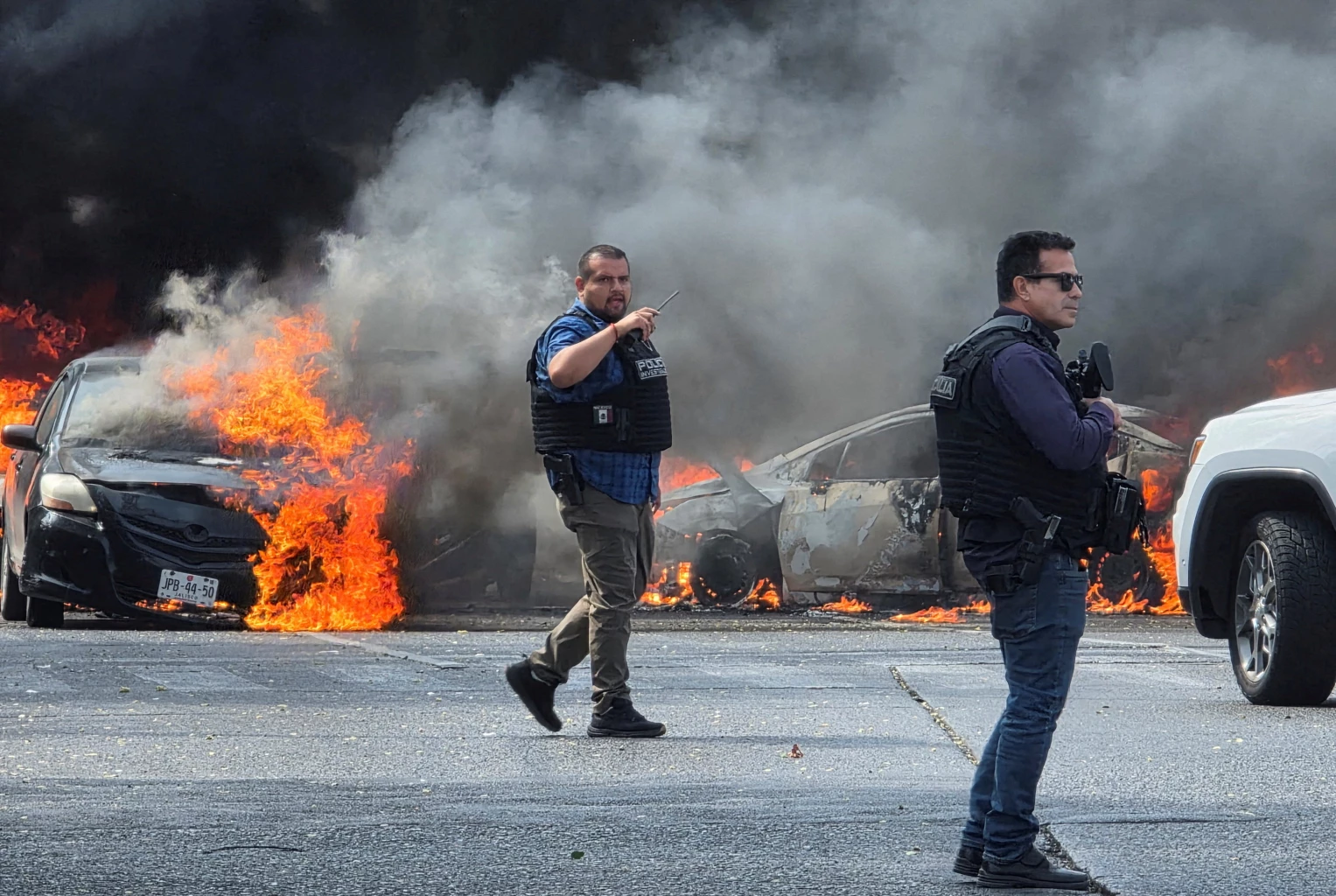
Guadalajara, Mexico – The United States government has issued travel advisories for several Mexican states following the death of Nemesio Rubén Oseguera Cervantes, known as “El Mencho,” leader of the Jalisco New Generation Cartel (CJNG). The operation to eliminate El Mencho, carried out by the Mexican military on February 22, 2026, has triggered a period of instability and violence, prompting the U.S. State Department to urge American citizens in affected regions to seek shelter.
The advisories specifically mention the states of Jalisco, Tamaulipas, Michoacán, Guerrero and Nuevo León. These areas, popular tourist destinations like Puerto Vallarta and Guadalajara in Jalisco, are now facing increased risks of cartel-related violence. The U.S. Government’s concern stems from the potential for retaliatory actions by CJNG members following their leader’s death. The situation underscores the ongoing challenges Mexico faces in combating powerful drug cartels and maintaining security for both its citizens and foreign visitors.
The Death of “El Mencho” and the Escalation of Violence
Nemesio Oseguera Cervantes, widely known as “El Mencho,” was considered the most wanted drug lord in Mexico. His death, confirmed by the Mexican Secretary of Defense on Sunday, February 23, 2026, marks a significant blow to the CJNG, one of the most powerful and ruthless cartels operating in the country. The operation that led to his demise was supported by intelligence provided by the United States, highlighting the collaborative efforts between the two countries in combating transnational drug trafficking.
The CJNG has rapidly expanded its influence in recent years, challenging the dominance of other established cartels. Known for its aggressive tactics and sophisticated weaponry, the cartel has been involved in numerous violent clashes with rival groups and security forces. El Mencho’s leadership was instrumental in the cartel’s growth, and his death is expected to create a power vacuum that could lead to further infighting and instability. The Mexican military conducted the operation in Tapalpa, a town located in the central-western region of Jalisco state.
U.S. Travel Advisories and Citizen Safety
The U.S. State Department has issued a Level 4: Do Not Travel advisory for several areas within the aforementioned states. Here’s the highest level of travel advisory, indicating that U.S. Citizens should not travel to these regions due to the extreme risk of criminal activity and violence. For areas not under a “Do Not Travel” advisory, the State Department recommends exercising increased caution. The advisories specifically instruct U.S. Citizens to seek shelter and avoid high-risk areas.
The State Department’s concerns are not limited to direct confrontations between cartels and security forces. There is also a heightened risk of collateral damage, including shootings, kidnappings, and extortion targeting both residents and tourists. U.S. Citizens in Mexico are urged to stay informed about the latest security developments, monitor local news reports, and enroll in the Smart Traveler Enrollment Program (STEP) to receive alerts and make it easier to locate them in an emergency. The STEP program allows the State Department to contact U.S. Citizens in the event of a crisis.
Impact on Tourism and Local Economies
The increased violence and travel advisories are likely to have a significant impact on tourism in popular destinations like Puerto Vallarta and Guadalajara. Tourism is a vital source of revenue for these cities, and a decline in visitor numbers could lead to economic hardship for local businesses and communities. The Mexican government is attempting to reassure tourists that security measures are being strengthened, but the perception of risk may deter many potential visitors.
The situation also raises concerns about the broader economic impact of cartel violence on Mexico. Drug trafficking and related criminal activities undermine the rule of law, discourage investment, and divert resources away from essential public services. The ongoing struggle against cartels poses a significant challenge to Mexico’s economic development and stability.
The Jalisco New Generation Cartel (CJNG)
The CJNG, founded in the late 2000s, has quickly become one of the most powerful and well-organized criminal organizations in Mexico. Unlike some older cartels that focused primarily on drug trafficking, the CJNG has diversified its activities to include extortion, kidnapping, human trafficking, and illegal mining. The cartel’s aggressive expansion has been fueled by its ability to recruit skilled fighters, acquire advanced weaponry, and establish alliances with corrupt officials.
El Mencho’s leadership was characterized by a ruthless pursuit of power and a willingness to use extreme violence to achieve his goals. Under his command, the CJNG has challenged the authority of the Mexican state in several regions, engaging in open confrontations with security forces and establishing a network of control over local communities. The cartel’s influence extends beyond Mexico, with operations in the United States, Central America, and Europe.
Challenges in Combating Cartel Violence
Combating cartel violence in Mexico is a complex and multifaceted challenge. The cartels are deeply entrenched in society, with extensive networks of corruption and influence. The Mexican government faces difficulties in dismantling these networks due to a lack of resources, institutional weaknesses, and the complicity of some officials. The demand for illegal drugs in the United States continues to fuel the cartels’ operations.
The United States has provided significant assistance to Mexico in its fight against drug trafficking, including funding, training, and intelligence sharing. However, some critics argue that the U.S. Approach has been too focused on law enforcement and not enough on addressing the root causes of the problem, such as poverty, inequality, and lack of economic opportunities. A more comprehensive strategy that addresses these underlying issues is needed to effectively combat cartel violence in the long term.
Looking Ahead
The death of El Mencho represents a significant victory for the Mexican government, but it is unlikely to bring an immediate end to cartel violence. The CJNG is a resilient organization with a deep bench of potential successors. The power vacuum created by El Mencho’s death could lead to internal conflicts and a fragmentation of the cartel, potentially resulting in even more violence. The coming weeks and months will be critical in determining the future trajectory of the CJNG and the overall security situation in Mexico.
U.S. Citizens traveling to Mexico should remain vigilant and exercise extreme caution. The State Department’s travel advisories should be carefully reviewed, and all safety recommendations should be followed. The situation remains fluid and unpredictable, and the risk of violence is elevated. The Mexican government has pledged to maintain security and protect its citizens and visitors, but the challenges are immense.
The next key development to watch will be the Mexican government’s announcement of a plan to address the leadership void within the CJNG and to prevent further escalation of violence. Updates on this plan, as well as any changes to U.S. Travel advisories, will be closely monitored. We encourage readers to share their experiences and perspectives in the comments section below.
Related reading