Ancient Mesoamerican Farmers Tracked Solstices with Scorpion-Shaped Mound & Irrigation System
For centuries, the intricate world of ancient Mesoamerican civilizations has captivated archaeologists and historians alike. Recent discoveries in Veracruz, Mexico, reveal a sophisticated understanding of astronomy and agricultural practices among a previously underestimated population – independent farmers. A newly identified scorpion-shaped earthen mound served as both an astronomical observatory and a focal point for ceremonial practices, intimately linked to a complex network of ancient irrigation canals.
A Monument to the Solstices
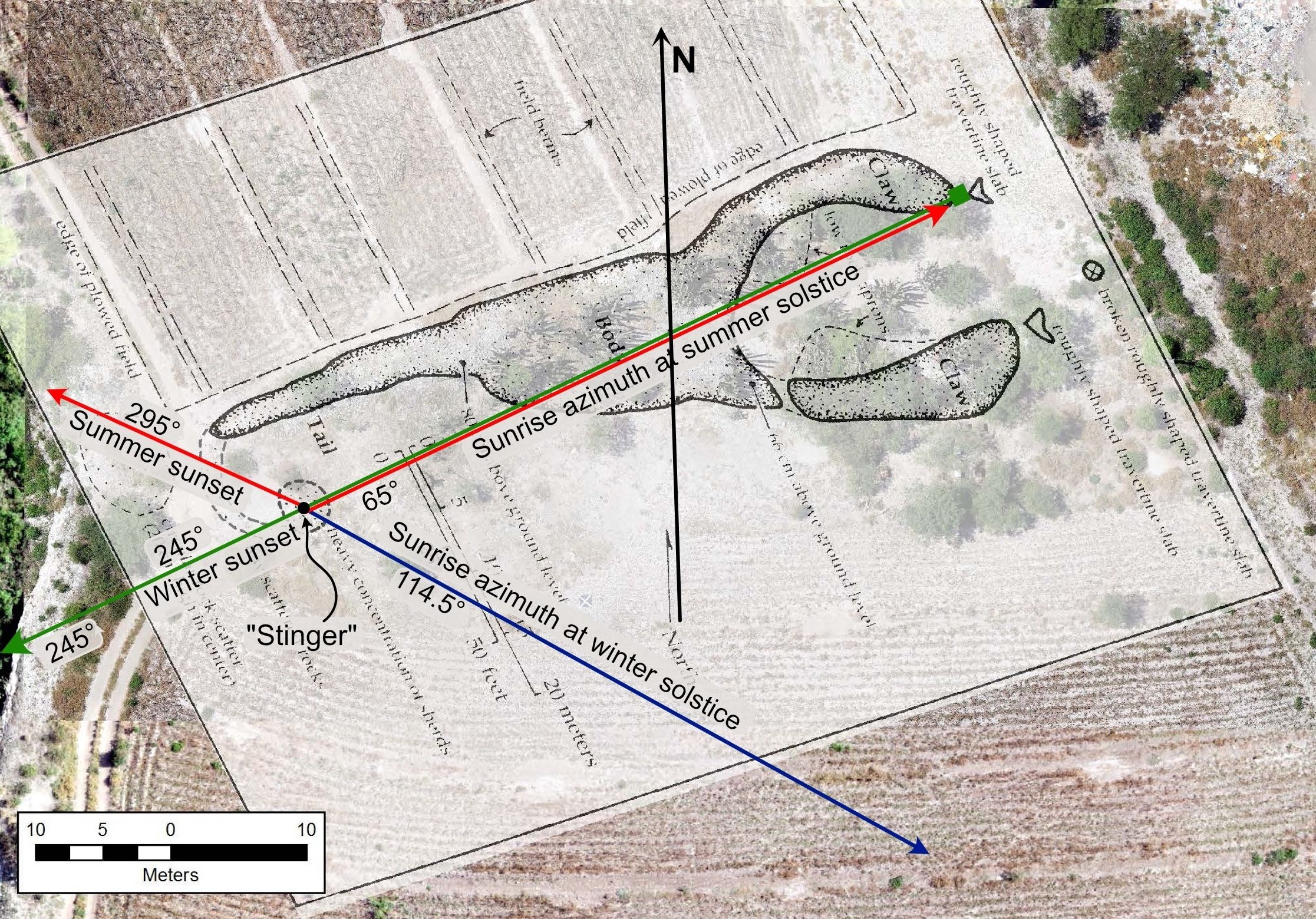
Researchers uncovered compelling evidence that this unique mound, constructed between 650 and 1200 AD, was deliberately designed to mark the summer and winter solstices. Imagine standing within this ancient landscape, witnessing the sun align perfectly with the mound’s features.
* During the summer solstice, the sun would rise directly between the two “claws” of the scorpion effigy.
* This alignment signaled the imminent arrival of the rainy season, a crucial time for farmers preparing their fields for planting.
* conversely, the winter solstice sunset was visible beyond the scorpion’s “stinger” when viewed from the mound’s left claw.
these precise astronomical alignments demonstrate a deep understanding of celestial movements and their importance to the agricultural cycle. This wasn’t simply about tracking time; it was about ensuring the success of their harvests and the sustenance of their communities.
Beyond astronomy: A Centre for Ritual and Daily Life
The scorpion mound wasn’t solely dedicated to astronomical observation. Archaeological excavations revealed a wealth of artifacts suggesting a vibrant ceremonial and domestic life.
* Numerous bowls,jars,and plate fragments were unearthed,indicating communal feasting and food readiness.
* Several molcajetes – tripod bowls used for grinding food – were discovered, highlighting the importance of food processing.
* An incense burner and a fragment of a hollow figurine suggest ritualistic practices were regularly performed at the site.
One particularly intriguing find was a molcajete offering discovered directly at the base of the mound. This suggests a deliberate act of reverence and connection to the earth and the celestial forces it represented.
Irrigation and independence
The discovery of the scorpion mound is even more significant when considered alongside the extensive network of ancient irrigation canals surrounding it. These canals weren’t simply functional; they were integrated into the landscape, demonstrating a sophisticated understanding of water management and agricultural engineering.
This combination of astronomical knowledge, ceremonial practices, and advanced agricultural infrastructure paints a picture of a highly organized and independent society. It challenges previous assumptions about the level of control exerted by elite or state-level authorities over these prehistoric farming communities. You can envision these farmers thriving with a remarkable degree of self-determination.
Implications for Understanding Mesoamerican History
This remarkable find offers a fresh viewpoint on the complexity of Mesoamerican civilizations. It suggests that even seemingly “simple” farming communities possessed a deep understanding of astronomy, engineering, and ritual practices.
The scorpion mound and its associated irrigation system demonstrate that these ancient farmers weren’t merely passive recipients of cultural influence. Rather, they were active agents in shaping their own destinies, developing innovative solutions to the challenges of their habitat, and creating a unique and vibrant cultural landscape. This discovery underscores the importance of recognizing the ingenuity and resilience of these often-overlooked populations in shaping the rich tapestry of Mesoamerican history.
Keep reading