
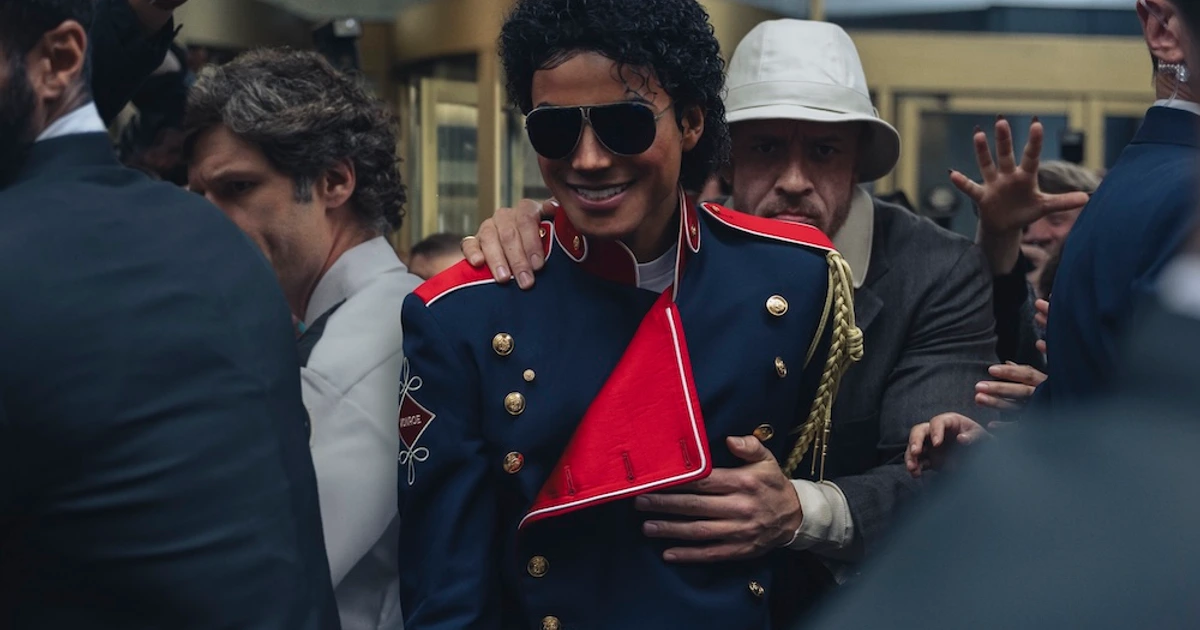
The cinematic portrayal of the “King of Pop” has already ignited a global conversation, proving that the fascination with Michael Jackson remains as potent as ever. With the first installment of Michael earning more than $217 million globally in its opening weekend, the industry is now buzzing with the possibility of a follow-up. The commercial success suggests an audience eager not only for the music but for a deeper exploration of one of the most complex figures in entertainment history.
Director Antoine Fuqua has already signaled that the groundwork for a second chapter may already be laid. In a recent interview with Billboard, Fuqua revealed that the production originally captured several years of Jackson’s life beyond the narrative conclusion of the first film, including footage related to the Jacksons’ Victory Tour. This suggests that a Michael movie sequel could transition seamlessly from the peak of his global dominance into the more turbulent decades that followed.
Though, moving forward requires a delicate balance. Even as the first film focused on the ascent and the brilliance of his artistry, any subsequent act must navigate the “darker” chapters. To tell a complete story, a sequel cannot simply be a victory lap. it must confront the legal battles, the physical transformations, and the intense scrutiny that defined Jackson’s later years. The transition from a beloved global icon to a polarizing figure is where the true dramatic weight of his life resides.
The ‘Bad’ Era and Solo Dominance
Any continuation of the narrative must begin with the mid-to-late 1980s, a period where Jackson consciously shifted his image. The release of the album Bad in 1987 marked a departure from the polished perfection of Thriller, introducing an edgier, more aggressive artistic persona. This era was defined by a signature aesthetic of black leather, buckles, and studs, accompanying a string of five No. 1 hits, including the socially conscious “Man in the Mirror.”

The accompanying Bad World Tour, which ran from 1987 to early 1989, was a watershed moment for live performance. It was Jackson’s first solo world tour and set latest benchmarks for production scale. One of the most enduring images of this period was the hydraulic lift opening, which launched Jackson onto the stage in a frozen pose, often triggering immediate hysteria among fans. For a biopic, this era represents the zenith of his power, providing a stark contrast to the isolation that would characterize his later life.
The Onset of Legal Turmoil
The narrative trajectory of a sequel would inevitably shift toward the early 1990s, when the public perception of Jackson began to fracture. In 1993, Jackson faced accusations of sexual abuse from a 13-year-old boy. This led to a high-profile civil lawsuit alleging sexual battery and intentional infliction of emotional distress. While authorities conducted searches of his Neverland Ranch, no criminal charges were filed at that time, and the civil case was settled out of court in 1994 according to historical records of his legal battles.
This period is critical for any dramatization because it marks the beginning of a lifelong shadow. The 1993 allegations were not merely legal hurdles; they were the catalyst for a permanent change in how the world viewed Jackson. A sequel would necessitate to explore the psychological toll of these accusations and the beginning of Jackson’s struggle to maintain his privacy while living in a “goldfish bowl” of media obsession.
Reinvention, Marriage, and Fatherhood
In the wake of the early 90s scandals, Jackson attempted to reshape his personal and public narrative. A key element of this “reinvention” was his 1994 marriage to Lisa Marie Presley, a union that linked two of the most famous musical dynasties in American history. This era similarly saw the release of HIStory: Past, Present and Future, Book I in 1995, an album that served as a direct, often angry response to the media scrutiny he faced, featuring collaborations with his sister, Janet Jackson.
The late 1990s also introduced a new dimension to Jackson’s life: fatherhood. He welcomed his first child, Prince, in 1997 with Debbie Rowe, followed by two more children in subsequent years. This chapter of his life is often viewed through a lens of contradiction—a man attempting to create a childhood sanctuary for his children at Neverland Ranch while his own childhood remained a source of lifelong trauma. The radical changes in his physical appearance during this time would also be a necessary, albeit sensitive, point of exploration for a filmmaker.
The Documentary and the 2005 Trial
One of the most pivotal moments for a potential sequel would be the 2003 documentary Living with Michael Jackson. Intended to humanize the star and provide a candid look at his life and relationships with children, the film instead reignited public suspicion and provided fuel for new investigations. The documentary’s release acted as a precursor to the most significant legal battle of his life.
This culminated in the 2005 criminal trial, where Jackson was charged with multiple counts of child molestation and administering alcohol to a minor. After a grueling legal process that captivated the world, Jackson was acquitted on all counts in June 2005 as reported by the BBC. The trial served as a climax to decades of scrutiny, leaving Jackson legally vindicated but emotionally and financially exhausted.
The Final Act: ‘Here’s It’ and June 2009
The conclusion of any Michael movie sequel would necessarily lead to the final months of his life. In 2009, Jackson was preparing for a massive comeback residency in London titled This Is It. The rehearsals for this show revealed a man still possessed by an incredible drive for perfection, despite his fragile health and the weight of his past.
The story ends on June 25, 2009, when Jackson died at the age of 50. The official cause of death was ruled as acute propofol and benzodiazepine intoxication, and his death was subsequently ruled a homicide according to the Los Angeles County Coroner. His personal physician, Conrad Murray, was later convicted of involuntary manslaughter in 2011 for the administration of the drugs at Jackson’s home.
Key Timeline of Jackson’s Later Years
| Year | Event | Significance |
|---|---|---|
| 1987 | Release of Bad | Shift to an edgier artistic image and solo world tour. |
| 1993-1994 | First major abuse allegations | Beginning of lifelong legal battles and public scrutiny. |
| 1994-1995 | Marriage to Lisa Marie Presley / HIStory album | Attempted personal reinvention and response to media. |
| 2003-2005 | Living with Michael Jackson / Criminal Trial | Peak legal conflict ending in full acquittal. |
| 2009 | Death of Michael Jackson | Passing at age 50; ruled as acute propofol intoxication. |
| 2011 | Conrad Murray Conviction | Legal resolution regarding the cause of Jackson’s death. |
a second film cannot be a simple celebration of music. It must be a study of how a global icon became one of the most scrutinized figures in modern history. By weaving together the creative triumphs of the Bad era with the isolation of Neverland and the tragedy of his final days, a sequel could provide a comprehensive look at the cost of unprecedented fame.

While no official production date for a sequel has been announced, the industry is awaiting a formal statement from the studio and Antoine Fuqua regarding the leverage of the existing footage. We will continue to monitor official filings and studio press releases for confirmation on a second installment.
Do you think a sequel should focus more on the music or the legal battles? Share your thoughts in the comments below and share this article with other fans of the King of Pop.