
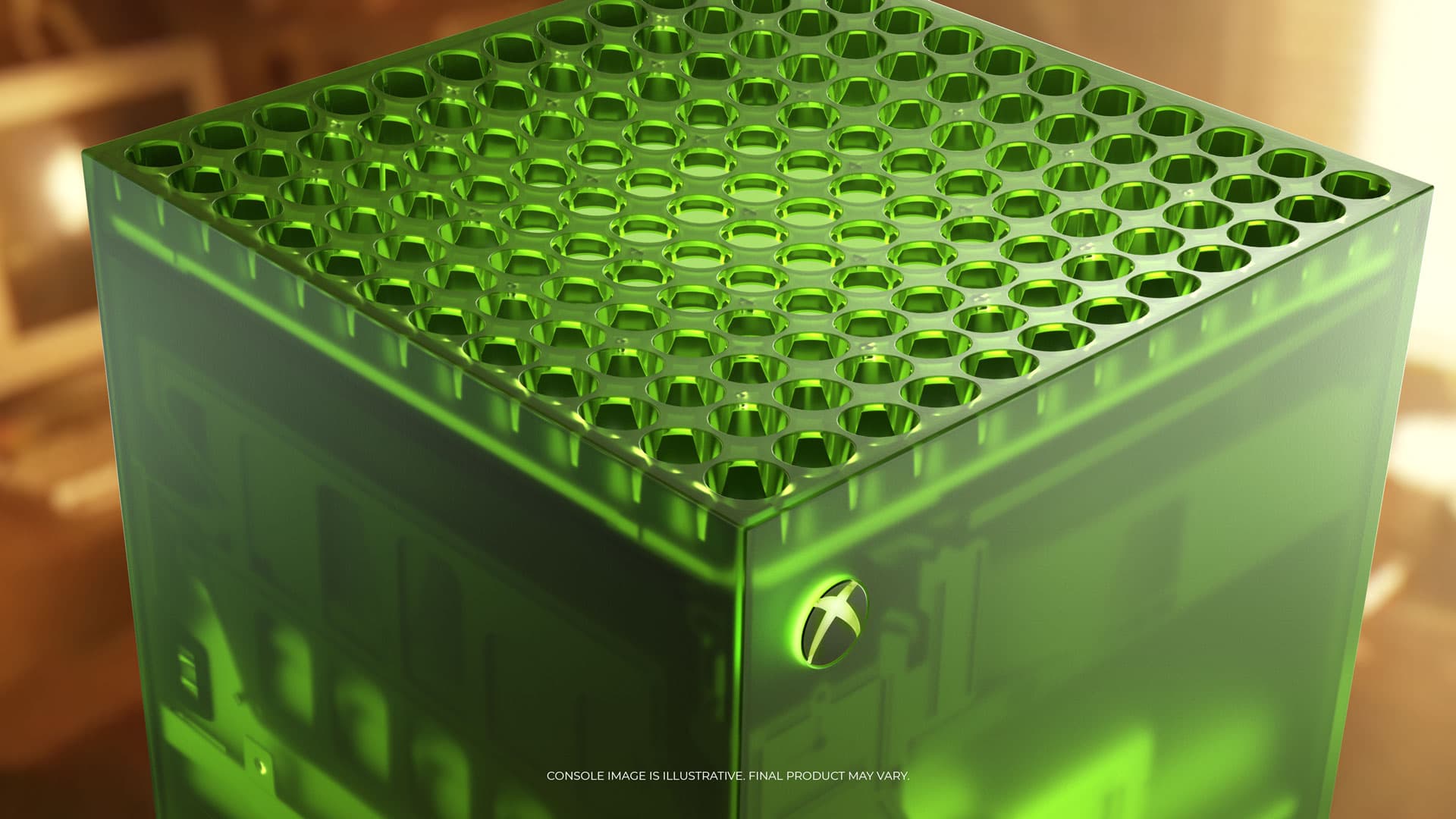
Microsoft is exploring a new digital authentication system that would allow users to verify ownership of physical game discs on consoles lacking an optical drive. This initiative comes as the gaming industry faces increasing consumer concern regarding the transition toward all-digital hardware, according to reports from GamesIndustry.biz and various industry analysts monitoring the evolution of the Xbox ecosystem.
The proposed system aims to bridge the gap for players who own a library of physical media but are considering upgrading to future iterations of the Xbox console that may lack a disc drive. By allowing users to register their physical ownership through a digital verification process, Microsoft seeks to address the “ownership anxiety” currently prevalent in the gaming community. This development follows broader market trends, including Sony’s recent release of the PlayStation 5 “Slim” and “Pro” models, which utilize a detachable disc drive, signaling a shift in how major manufacturers approach physical media support.
Addressing Consumer Concerns Over Physical Media
The primary concern for many console owners is the potential loss of access to their existing libraries if hardware manufacturers abandon optical drives entirely. As noted in recent industry discussions, the physical game disc has historically served as both a license and a storage medium. A system that validates these discs on digital-only consoles would essentially convert the physical license into a digital entitlement.

This approach aligns with Microsoft’s broader “Xbox Everywhere” strategy, which emphasizes cloud gaming, Game Pass, and cross-platform accessibility. However, technical hurdles remain, particularly regarding how a console without a drive would verify that a user possesses a specific disc. Industry observers suggest that this could involve a retail-based verification program or a proprietary hardware accessory, though Microsoft has not yet provided an official technical roadmap for such a feature.
Market Context and Industry Shifts
The gaming industry has seen a consistent decline in physical media sales over the last decade. According to data from the Entertainment Retailers Association (ERA), digital distribution now accounts for the vast majority of software revenue for both Xbox and PlayStation platforms. This shift has forced manufacturers to reconcile the needs of long-term collectors with the logistical cost-savings of producing digital-only hardware.

While Microsoft has not confirmed a specific release date or definitive feature set for this disc-to-digital authentication system, the company continues to iterate on its hardware design. For instance, the company recently introduced the Xbox Series X 1TB Digital Edition, which explicitly omits the disc drive, further underscoring the shift toward a digital-first catalog.
What This Means for Game Collectors
For the average consumer, this proposed system would represent a significant change in how physical media is valued. Currently, a physical disc allows for resale, lending, and offline play. Transitioning these titles to a digital-only format would likely lock the content to a specific Microsoft account, potentially eliminating the secondary market for those games.
Industry analysts point out that while this offers convenience for those moving to smaller, disc-less consoles, it also centralizes control within the manufacturer’s ecosystem. The long-term impact on game preservation remains a topic of debate among developers and archivists, who argue that digital-only models place the longevity of software at the discretion of server availability.
Next Steps for Xbox Hardware
As of late 2024, Microsoft has not issued a formal patent or public timeline for a disc-verification system. Interested users can monitor the official Xbox Wire news portal for future hardware announcements and policy updates regarding backward compatibility and physical media support.
The industry expectation is that any further details regarding this technology will likely emerge alongside the next generation of Xbox hardware. We invite readers to share their thoughts on the balance between digital convenience and physical ownership in the comments section below.