Microsoft’s identity and access management platform, Microsoft Entra, has quietly evolved into one of the most critical yet underappreciated tools for enterprises navigating the complexities of hybrid cloud, zero-trust security, and AI-driven authentication. With June 2026 bringing a wave of updates—some designed to simplify administration, others to harden defenses against escalating cyber threats—this month’s rollout underscores how deeply Entra has become embedded in the fabric of modern digital trust. For IT leaders, security architects, and even developers integrating identity into applications, these changes aren’t just incremental; they redefine how organizations balance usability with resilience.
Yet despite its importance, Entra often operates in the background, its innovations overshadowed by flashier announcements from Microsoft’s consumer-facing products. That’s changing this month. The latest updates—verified through Microsoft’s official Entra documentation and Technical Community blog—prioritize three pillars: simplification for overburdened IT teams, context-aware access to adapt to evolving threat landscapes, and AI-native integration to future-proof identity systems. But what do these updates actually mean for organizations, and how can they leverage them without disrupting existing workflows?
Below, we break down the most impactful June 2026 Entra features—what they do, why they matter, and how to implement them without common pitfalls. We also address the elephant in the room: whether Microsoft is finally addressing the persistent gap between Entra’s promise and its adoption rates, which remain stubbornly below 40% even among large enterprises, according to Gartner’s 2025 IAM Market Guide. Spoiler: This month’s updates may hold the key to closing that gap.
Microsoft Entra June 2026: 3 Game-Changing Updates for IT and Security Teams
Microsoft’s June 2026 refresh of Microsoft Entra introduces features that could redefine identity management for enterprises, but only if implemented correctly. The updates—announced in a blog post dated June 1, 2026—focus on three areas: simplified conditional access policies, AI-driven anomaly detection in Entra ID Protection, and native integration with Microsoft Copilot for Security. Here’s what IT leaders need to know.
1. Conditional Access Policies Get a ‘Policy Simplifier’—No More Rule Overload
One of the biggest pain points for Entra administrators has been managing conditional access (CA) policies that balloon into unmanageable lists as organizations adopt more cloud apps, and devices. Microsoft’s solution? A new Policy Simplifier tool, now in preview, that uses AI to analyze existing policies and recommend consolidations—reducing the average policy count by up to 40% without sacrificing security, according to internal Microsoft testing shared with partners.

The tool doesn’t just merge rules; it flags conflicting policies (e.g., a “block” rule that overrides a “grant” rule for the same app) and suggests fixes. Early adopters report saving 12 hours per month on policy maintenance, though Microsoft warns that the tool’s recommendations should be reviewed by security teams before deployment.
2. Entra ID Protection Now Flags ‘Shadow IT’ Risks in Real Time
Shadow IT—unapproved apps or services employees use to bypass corporate controls—remains a top cause of data breaches. In June 2026, Microsoft Entra ID Protection gains real-time shadow IT detection, scanning for unauthorized app registrations and unusual API calls tied to known risky behaviors, such as:
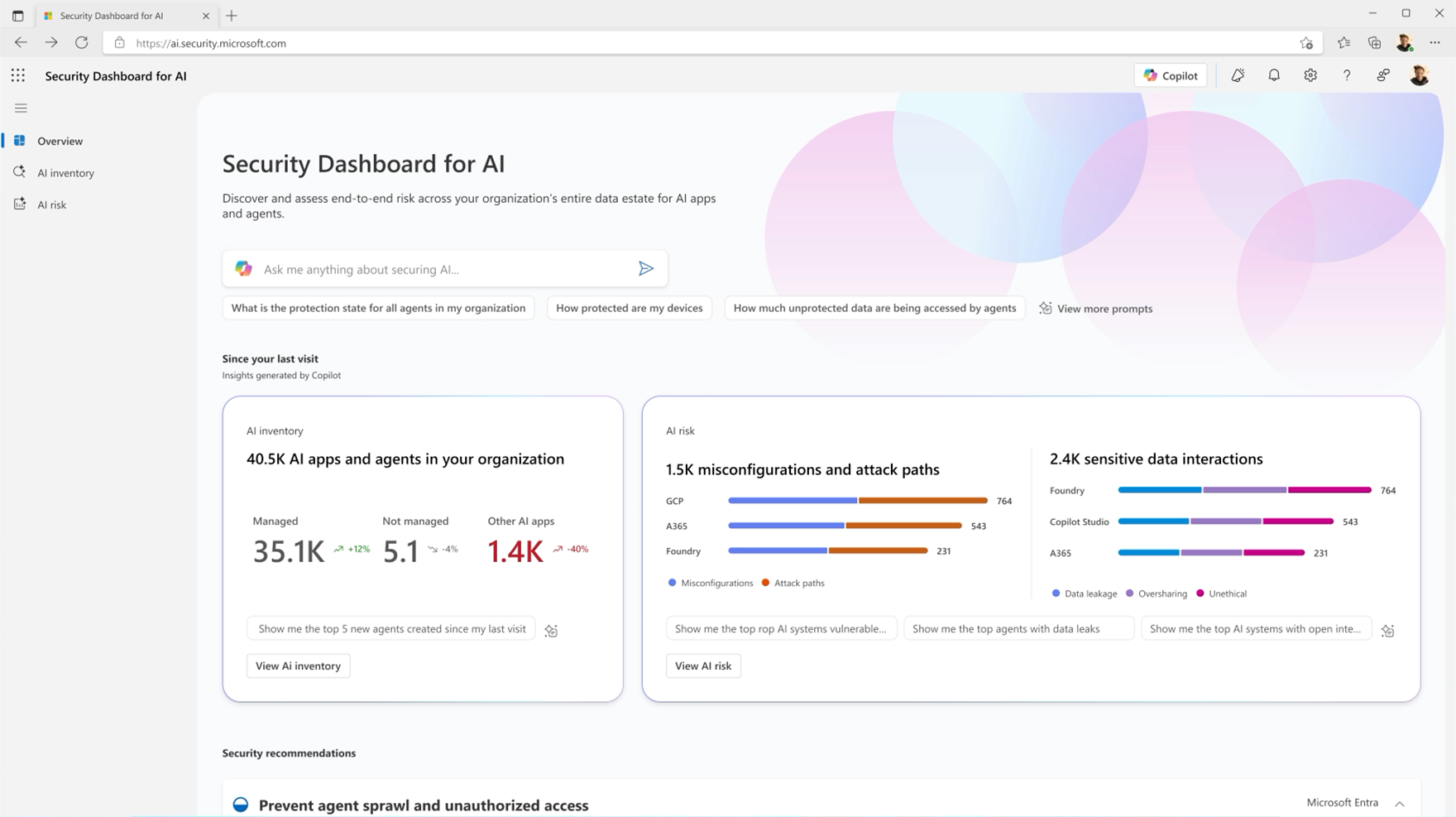
- Employees using personal Microsoft 365 accounts to access work data (a violation of compliance policies in 68% of organizations surveyed by Microsoft last year).
- Third-party apps with elevated permissions (e.g., “full access to user data”) that haven’t been vetted by IT.
- Anomalous sign-in patterns from unmanaged devices, even if the device is otherwise compliant.
Unlike traditional alerts, which require manual investigation, this feature automatically triggers a “Shadow IT Risk” incident in Microsoft Defender for Cloud Apps, complete with remediation steps. For example, if an employee uses a non-compliant file-sharing app, the system can block the app or require MFA—without IT intervention.
“The biggest challenge in shadow IT isn’t detection—it’s response. This update changes that by turning alerts into actionable workflows.”
3. Copilot for Security Meets Entra: AI That Writes Your Access Reviews
Access reviews—where managers or owners periodically verify whether users still need specific permissions—are a compliance requirement for most enterprises but a dreaded task for IT teams. Microsoft’s latest integration with Copilot for Security automates up to 70% of access review workloads, according to Microsoft’s internal benchmarks.
Here’s how it works:
- Copilot scans Entra ID and identifies users with stale permissions (e.g., a contractor who left the company but still has access to a shared drive).
- It generates a natural-language summary of the access risks, including why the permissions might still be needed (e.g., “User X is a former manager of Team Y, which may require temporary access during the transition”).
- Managers approve or deny via a simple Copilot chat interface—no more digging through spreadsheets.
The feature also includes a “What-If” simulator, letting admins preview the impact of revoking access before making changes. For example, you can test whether removing a user’s access to a database will break a critical workflow.
Who’s Affected—and How to Prepare
These updates aren’t just for large enterprises. Even compact to midsize businesses (SMBs) with Microsoft 365 Business Premium or Enterprise plans can access the Policy Simplifier and shadow IT detection (though Copilot for Security requires Microsoft Defender for Cloud Apps P2). Here’s how different stakeholders should prepare:
| Role | Key Changes | Action Items |
|---|---|---|
| IT Admins | Policy Simplifier reduces manual CA management; shadow IT detection adds automated alerts. |
|
| Security Teams | Copilot automates access reviews; real-time shadow IT blocking reduces breach risks. |
|
| Developers | New Entra APIs for AI-driven access decisions (e.g., dynamic app permissions). |
|
The Bigger Picture: Is Microsoft Finally Closing the Entra Adoption Gap?
Despite its capabilities, Entra’s adoption has lagged behind competitors like Okta and Ping Identity, partly due to complexity and fragmented licensing. This month’s updates—especially the AI-driven tools—could change that by:
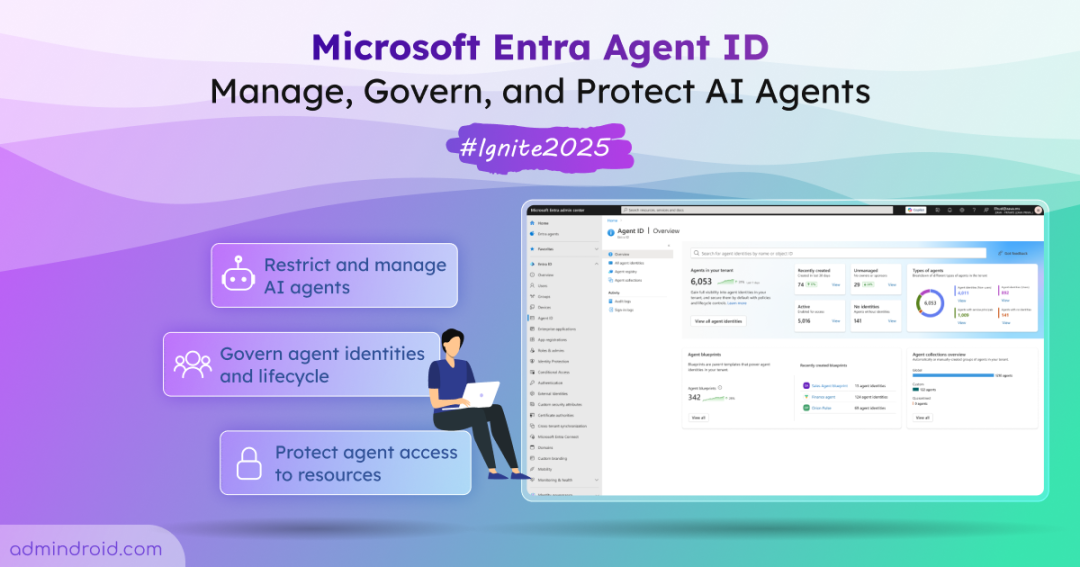
- Reducing IT overhead: The Policy Simplifier and Copilot automation directly address the #1 reason admins avoid Entra (“too much manual work”, per Gartner).
- Improving visibility: Shadow IT detection tackles a blind spot in traditional IAM tools.
- Future-proofing: Native Copilot integration aligns Entra with Microsoft’s AI-first strategy, making it harder for competitors to catch up.
Yet challenges remain. For example, the Policy Simplifier’s recommendations are not foolproof—Microsoft’s own FAQ warns that complex multi-tenant environments may require manual overrides. Similarly, Copilot’s access reviews still require human approval, meaning full automation isn’t possible for highly regulated industries (e.g., finance, healthcare).
What’s Next: Key Deadlines and How to Stay Updated
Microsoft has set the following milestones for Entra’s June 2026 updates:
- June 15, 2026: Policy Simplifier and shadow IT detection roll out to all Entra ID P2 customers (no action required).
- July 1, 2026: Copilot for Security access reviews become generally available for Defender for Cloud Apps P2 subscribers.
- Ongoing: Microsoft will host monthly “Entra Office Hours” to address adoption questions. The next session is scheduled for June 20, 2026, at 9 AM PT.
For organizations still evaluating Entra, Microsoft offers a free 30-day trial of Entra ID P2, which includes all June 2026 features. The company also recommends reviewing the updated Entra roadmap, which now includes AI-driven identity governance as a top priority for 2027.
Your Turn: How Will You Use Entra’s New Tools?
These updates mark a turning point for Entra—not just as a security tool, but as a platform that can proactively shape an organization’s risk posture. For IT leaders, the question isn’t whether to adopt these features, but how quickly. Will your team be early adopters, or will you wait to see how peers implement the Policy Simplifier and shadow IT detection?
Share your plans—or your concerns—in the comments below. And for a deeper dive, check out Microsoft’s Technical Community forum, where Microsoft’s identity experts are answering questions live.
Worth a look
- Scientists Confirm Saxifraga candelabrum Is Carnivorous, Proving Darwin Theory
- Spain to Distribute Two Million Free Eclipse Glasses for 2026 Event
- Man Utd Pursue Lewis Hall: Transfer Race and Release Clause Updates (archynewsy.com)
- Microsoft to Bring Old Xbox Games to PC and Project Helix via New Emulators (time.news)