The global cinematic landscape is witnessing a seismic shift as the Middle East moves from the periphery to the center of international film production. In a decisive move to transform the Kingdom of Saudi Arabia into a premier global filming destination, the Saudi Film Commission has announced a significant expansion of its incentive programs, reportedly raising support levels to as much as 60% to catalyze the growth of the domestic film industry.
This aggressive push marks a new chapter in the Kingdom’s cultural evolution. By offering unprecedented financial incentives, the Commission is not merely attempting to attract transient Hollywood productions; it is architecting a sustainable, self-sustaining film ecosystem. This strategy aims to bridge the gap between world-class international technical expertise and the burgeoning talent pool of homegrown Saudi filmmakers.
As an editor who has spent over a decade tracking the ebb and flow of industry capital from Los Angeles to Cannes, I find this development particularly striking. The scale of the investment suggests that Saudi Arabia is no longer content with being a backdrop for desert vistas; it intends to be a powerhouse of production, storytelling, and technical infrastructure.
A Bold Leap for Middle Eastern Cinema
The announcement comes as part of a broader, multi-faceted strategy led by the Ministry of Culture of Saudi Arabia. The Ministry, which oversees 11 specialized commissions designed to nurture different creative sectors, views the film industry as a cornerstone of its cultural and economic transformation. The Saudi Film Commission, as one of these vital entities, is tasked with the heavy lifting of industry development, regulation, and international promotion.
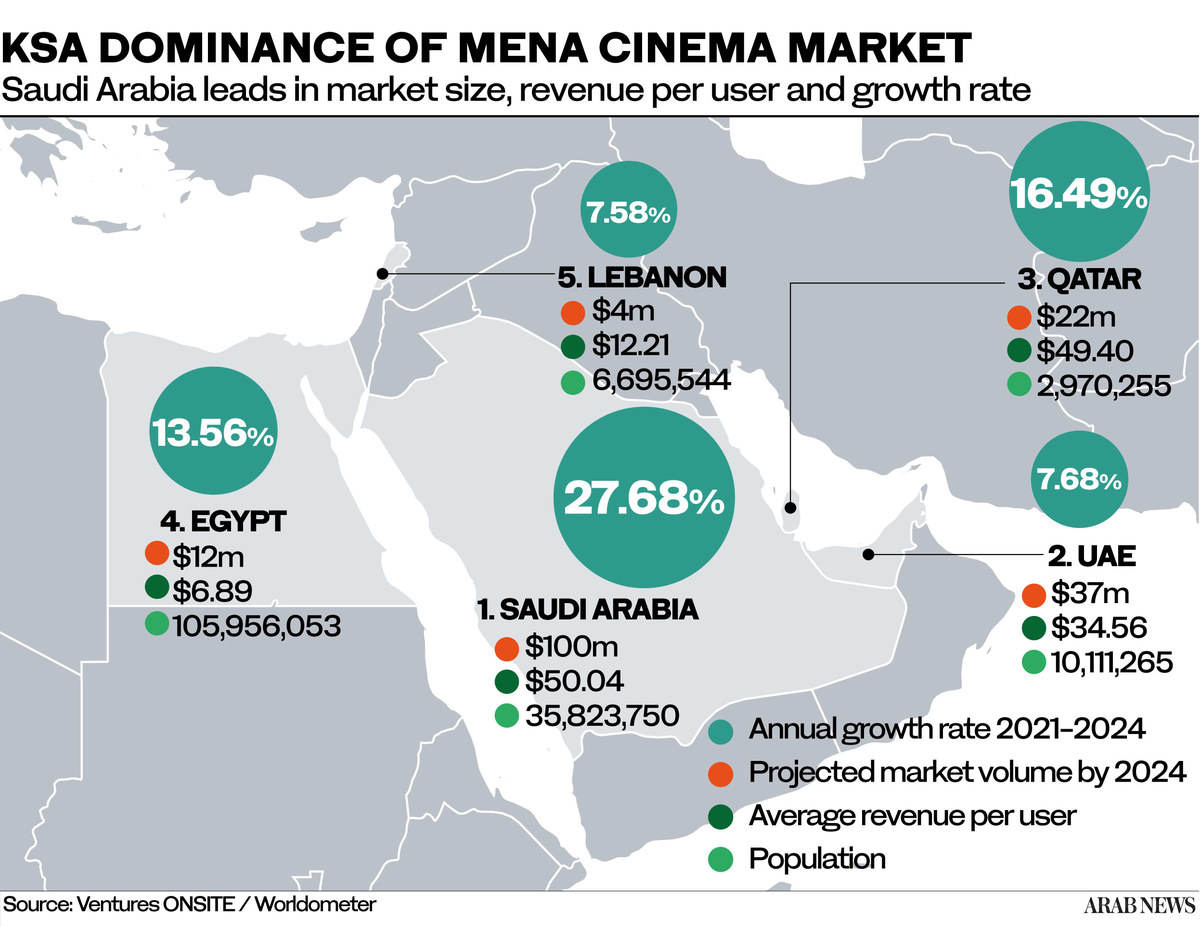
For years, the Middle East has been a lucrative market for film distribution, but the region has lacked the centralized, high-incentive production hubs found in places like Morocco or the United Arab Emirates. By increasing incentives to a reported 60%, Saudi Arabia is making a direct play for the attention of major studios and independent producers alike, offering a competitive edge that is difficult to ignore in an era of tightening production budgets.
The goal is twofold. First, the Commission seeks to attract high-budget international productions that bring significant capital, jobs, and technical knowledge into the country. Second, it aims to provide the financial “oxygen” necessary for local Saudi creators to produce high-quality content that can compete on the global stage. This dual-track approach is essential for building a domestic industry that can eventually export its own narratives to the world.
Understanding the New Incentive Structure
While the specific administrative mechanics of the increased incentives are being rolled out, the core objective is clear: reducing the financial barrier to entry for filming within the Kingdom. These incentives are expected to take several forms, including cash rebates on qualifying local expenditures, tax exemptions, and streamlined logistical support.
The reported 60% incentive level is designed to cover a significant portion of production costs incurred within Saudi Arabia. This includes, but is not limited to:
- Local Crew and Talent: Encouraging the hiring of Saudi technicians, actors, and production staff.
- Infrastructure and Location Fees: Utilizing the Kingdom’s diverse landscapes, from the futuristic urbanism of NEOM to the ancient heritage sites of AlUla.
- Equipment and Post-Production: Stimulating the development of local technical services and studio facilities.
By focusing on “qualifying expenditures,” the Commission ensures that the incentives act as a direct stimulus to the local economy. The money doesn’t just stay within the production company; it circulates through local vendors, hotels, transport services, and catering, creating a multiplier effect that benefits the wider Saudi economy.
Regional Context: The Competition for Production Capital
To understand the weight of this move, one must look at the regional competition. The Middle East has long been a battlefield for production incentives. For example, Abu Dhabi in the UAE has successfully positioned itself as a hub through the twofour54 media zone, offering significant rebates and a highly developed infrastructure. Morocco has also been a staple for international productions seeking diverse locations and competitive costs.
Saudi Arabia’s entry into this high-stakes competition with a 60% incentive ceiling signals that it is not looking to be a secondary player. It is aiming for the top tier. The sheer scale of the Kingdom’s geography and its commitment to massive infrastructure projects like NEOM provides a unique value proposition that few other locations on earth can match.
Vision 2030 and the Economic Engine of Entertainment
It is impossible to discuss the Saudi Film Commission without addressing the elephant in the room: Vision 2030. This ambitious national blueprint, spearheaded by Crown Prince Mohammed bin Salman, is the driving force behind every major cultural shift in the country.
A primary pillar of Vision 2030 is economic diversification. For decades, the Saudi economy has been heavily reliant on oil exports. To ensure long-term stability, the Kingdom is aggressively investing in non-oil sectors, with the “creative economy”—including film, music, gaming, and design—identified as a high-growth area. The entertainment sector is seen as a way to create thousands of new jobs for a young, tech-savvy population and to foster a sense of national identity through modern cultural expression.
The film industry, in particular, offers a unique opportunity for “soft power.” As Saudi stories reach global audiences through streaming platforms and international cinema, the Kingdom can reshape its global image, showcasing its heritage, its rapid modernization, and its vibrant culture. This cultural diplomacy is a key, albeit indirect, benefit of the film industry’s expansion.
Impact on the Global Production Landscape
What does this mean for the average filmmaker or studio executive? In the short term, it means a surge in production activity within the Kingdom. We can expect to see more international “tentpole” films choosing Saudi locations, which will, in turn, necessitate the rapid development of local film studios, soundstages, and specialized technical services.
In the long term, the impact could be even more profound. If the Saudi Film Commission succeeds in its mission, we may see the emergence of a “Saudi New Wave”—a generation of filmmakers who have been trained on international sets and supported by robust domestic funding. This would move the Kingdom from being a location provider to a content creator.
However, challenges remain. Building an industry from the ground up requires more than just cash. It requires a deep pool of skilled labor, a predictable regulatory environment, and a logistical network that can handle the complex needs of modern film crews. The Commission’s success will depend on its ability to not only provide incentives but also to build the human and physical infrastructure that makes those incentives meaningful.
Key Takeaways: The Saudi Film Revolution
- Aggressive Incentives: The Saudi Film Commission is scaling up support, with reports suggesting incentives of up to 60% to attract global production.
- Strategic Alignment: This move is a core component of Saudi Arabia’s Vision 2030, aimed at economic diversification and fostering a creative economy.
- Economic Stimulus: The incentives are designed to drive local spending on talent, equipment, and services, creating a multiplier effect.
- Global Competition: Saudi Arabia is positioning itself as a major competitor to established regional film hubs like the UAE and Morocco.
- Cultural Transformation: Beyond economics, the film industry is a vehicle for cultural diplomacy and the development of a domestic storytelling industry.
What Happens Next?
The industry will be watching closely as the Commission formalizes the application processes and specific eligibility criteria for these enhanced incentives. The upcoming iterations of major regional events, such as the Red Sea International Film Festival, will serve as critical testing grounds and networking hubs for the Commission to engage with global industry leaders.
As the implementation phase begins, the focus will shift to the actual capacity of the Kingdom to absorb this influx of production. We will see whether the promised infrastructure and talent development can keep pace with the Commission’s ambitious financial promises.
What are your thoughts on Saudi Arabia’s move into the global film market? Do you think these incentives will be enough to shift the balance of power in Middle Eastern production? Let us know in the comments below and share this article with your network.