
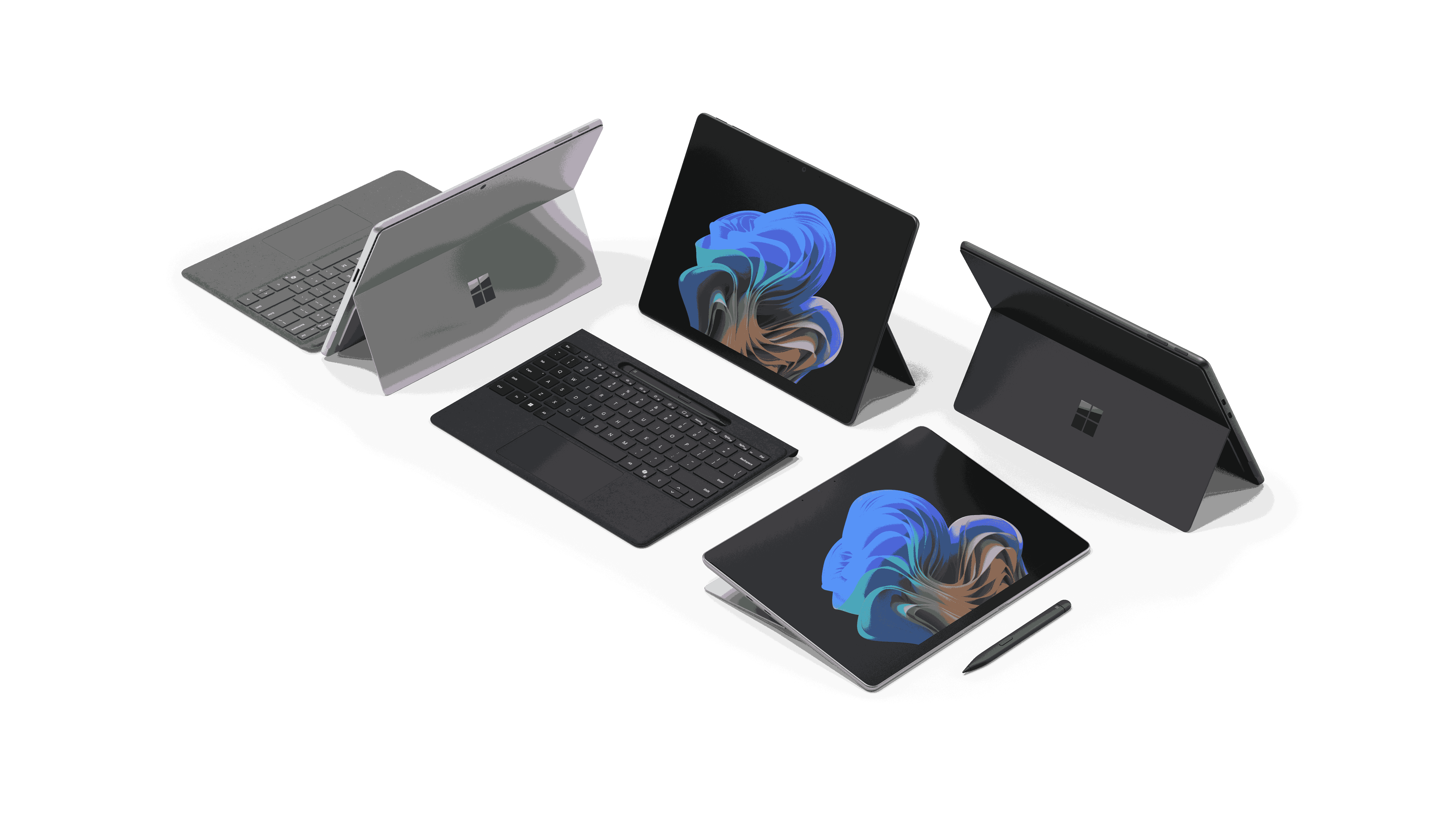
Microsoft has officially expanded its hardware lineup with the release of new Surface for Business PCs, a move designed to integrate advanced artificial intelligence capabilities directly into the enterprise workspace. These latest iterations of the Surface line are engineered to meet the rigorous demands of modern corporate environments, focusing on processing power, security, and connectivity features that cater to the evolving needs of business professionals.
As the workplace continues to shift toward hybrid and AI-driven workflows, the introduction of these devices marks a strategic pivot for Microsoft. By incorporating Intel Core Ultra Series 3 processors, the company is positioning these machines to handle complex, AI-intensive tasks locally, reducing latency and reliance on cloud-only processing. For enterprise buyers, this represents a significant update to the standard fleet of hardware used in professional settings, where performance and security are paramount.
Engineering for the AI-Ready Enterprise
The core of this new release is the integration of high-performance silicon capable of managing modern AI workloads. The transition to Intel Core Ultra Series 3 chips is a critical development, as these processors are specifically designed to support Neural Processing Units (NPUs). These units are essential for accelerating AI features, such as real-time transcription, enhanced video conferencing effects, and predictive text analysis, which have become standard requirements for productivity-focused software suites.

Beyond raw computing power, Microsoft has emphasized the importance of connectivity in its business-grade hardware. Many of the new models include 5G options, allowing professionals to maintain high-speed, secure internet access outside of traditional office or home Wi-Fi environments. This is particularly relevant for mobile workforces that require constant access to cloud-based enterprise platforms and collaborative tools. According to official Microsoft documentation, these devices are designed to maintain enterprise-grade security, incorporating features like Secured-Core PC capabilities to protect against firmware-level attacks.
Security and Management in a Hybrid World
For IT departments, the deployment of new hardware is often as much about manageability as it is about performance. Microsoft’s focus on enterprise security tools—including hardware-level encryption and integration with Microsoft Endpoint Manager—aims to simplify the lifecycle management of these devices. By standardizing the security architecture across the Surface for Business line, Microsoft intends to provide a consistent experience for administrators tasked with overseeing large-scale deployments.

The emphasis on AI is not merely about consumer-facing convenience but is deeply tied to security and productivity software. As organizations look to adopt AI assistants and automated workflow tools, having hardware that can securely process data on-device is becoming a priority for companies with strict compliance requirements. These devices are built to integrate seamlessly with the broader Microsoft ecosystem, ensuring that security patches and software updates are deployed efficiently across the enterprise.
What So for Business Buyers
When considering an upgrade to the latest Surface for Business PCs, stakeholders should weigh the benefits of local AI processing against their current infrastructure requirements. The inclusion of advanced connectivity and enhanced security protocols suggests that these machines are intended for long-term use in environments where reliability and data integrity are non-negotiable. Organizations can find detailed technical specifications and deployment guides through the Microsoft Learn platform, which serves as the primary resource for IT professionals managing Surface hardware.
As we look ahead, the integration of specialized AI hardware will likely become the baseline for all professional-grade computing. For firms currently evaluating their hardware refresh cycles, the current Surface for Business lineup provides a clear look at how Microsoft is aligning its physical products with its broader software initiatives. The focus remains on creating a cohesive digital environment where the hardware acts as a secure, efficient gateway to cloud-based services and AI-powered productivity tools.

Looking forward, Microsoft is expected to continue its cadence of hardware updates as AI models evolve and demand more robust local processing capabilities. IT managers and procurement teams are encouraged to monitor official channels for upcoming compatibility reports and firmware support updates. As always, keeping abreast of the latest technical documentation is the best way to ensure that your organization’s hardware strategy remains aligned with current security standards and productivity goals.
What are your thoughts on the transition to AI-integrated hardware in your workplace? Share your experiences and questions in the comments below, and be sure to check back for further updates on enterprise technology trends.